Ukraine should prepare for another 2–3 years of war: the strategy is to wear down Russia – Zelenskyy

The Economist has published an article on the situation in Ukraine as the full-scale war enters its fourth year, and the challenges facing the country.
The article describes two contrasting moods within the country. In Kyiv, a group of teenagers is undergoing military training under the guidance of instructors. The youngest among them is 14 years old. One of the boys, 18-year-old Danylo, said he was ready to replace the fallen soldiers.
Meanwhile, 28-year-old Ivan, having evaded conscription, is hiding in a flat and rarely goes out. According to the publication’s estimates, around 300,000 Ukrainian men have deserted military service.
Ukraine is facing two challenges simultaneously. One concerns containing Russia and developing defence technologies; the other relates to internal difficulties, mobilisation and the state of society.
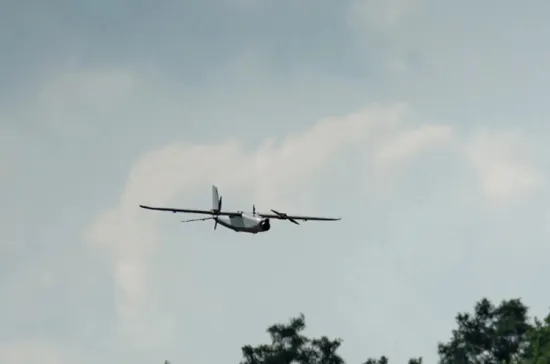
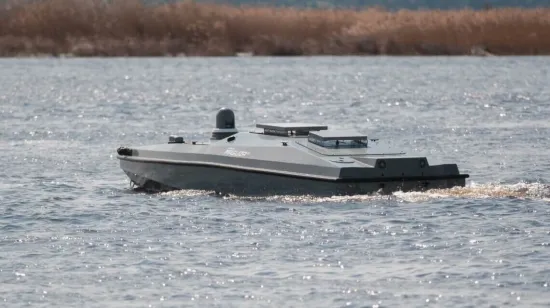
The front line is currently stabilising, and Ukraine is increasingly developing drone production and establishing itself as a new defence power.
Ukraine has managed to preserve its sovereignty despite Russia’s significant advantage in terms of population, territory and economic resources.
The war Ukraine is winning
The Ukrainian command considers the tactic of mass drone deployment to be effective in holding back the Russian advance. Ukraine inflicts around 35,000 killed and wounded on Russia every month. The Ukrainian side aims to increase this figure to 50,000, which corresponds to the limit of Russia’s capacity to train new troops.
At the same time, Russia is at least two years behind its revised plans to capture the Donbas.
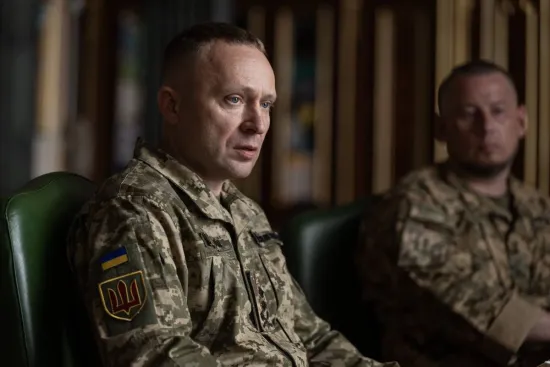
Pavlo Palisa, an aide to the Ukrainian president, told the publication that the Kremlin had once again tasked the army with reaching the administrative borders of the Donetsk region by autumn, but described such plans as unrealistic.
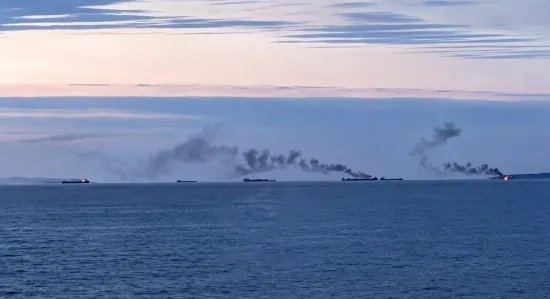
Ukrainian drones and missiles are constantly striking Russian infrastructure, including oil depots, defence enterprises and air defence systems more than a thousand kilometres from the border. Around 95% of long-range systems are produced by the Ukrainian defence industry.
Commander of the 413th Regiment Yevhen Karas stated that striking Russian targets has become “three times easier” than before.
The cost of war
European countries are increasingly linking their own security to Ukraine’s resilience. Following Viktor Orbán’s defeat in the April elections, Hungary can no longer block EU aid, and Ukraine is set to receive €90 billion in support.
At the same time, the war continues to drain the country; critical infrastructure has been damaged, and there are periodic shortages of air defence systems, particularly anti-missile systems.
During a massive strike on Kyiv on the night of 23 May, at least 40 sites were hit.
In the winter of 2025–2026, the Ukrainian capital was on the brink of a total blackout.
Due to the war, the Ukrainian labour market has shrunk from approximately 17 million to 12 million people. Expected GDP growth in 2026 is estimated at 1.5%.
However, the greatest dissatisfaction in society stems from problems with mobilisation, corruption and mistrust of state institutions.
According to a survey mentioned in the article, Ukrainian society is broadly divided into three groups: patriots, moderate sceptics and demotivated citizens.
The Economist notes that the Ukrainian army currently relies predominantly on compulsory mobilisation. Ivan, who is evading service, told the publication that after being detained by TCC staff, he paid a $10,000 bribe and fled during training.
In Odesa and Dnipro, some men of conscription age are in hiding due to the harsh mobilisation campaigns.
The Economist writes that corruption scandals and political conflicts have once again exacerbated internal tensions in Ukraine.
The article mentions a case involving approximately $100 million, in which people from Volodymyr Zelenskyy’s inner circle were implicated.
Following protests in November, Andriy Yermak, whom the publication describes as one of the most influential figures in the government, resigned. In May, he was officially named a suspect.
Meanwhile, Volodymyr Zelenskyy continues to plan elections, although organising a vote during wartime is difficult.
A war with no end
The Economist notes that following the withdrawal of US involvement in peace talks, hostilities are likely to continue until one side is exhausted.
According to the publication, Volodymyr Zelenskyy has instructed preparations to be made for another two or three years of war. Ukraine is capable of continuing the fight, although the country will emerge from the war exhausted, with the consequences of wartime militarisation and corruption.
At the same time, most of the publication’s interviewees remain optimistic about the country’s future. Ukraine may emerge from the war as a damaged but functioning democracy and a new regional power.