Ukrainian towns are switching to autonomous water supply: what changes are being made ahead of winter

Katerina Melnychenko
Katerina Melnychenko Deputy Editor-in-Chief
Ukrainian towns are switching to autonomous water supply: what changes are being made ahead of winter
Implementation of 29 projects has already begun in 14 regions of Ukraine.
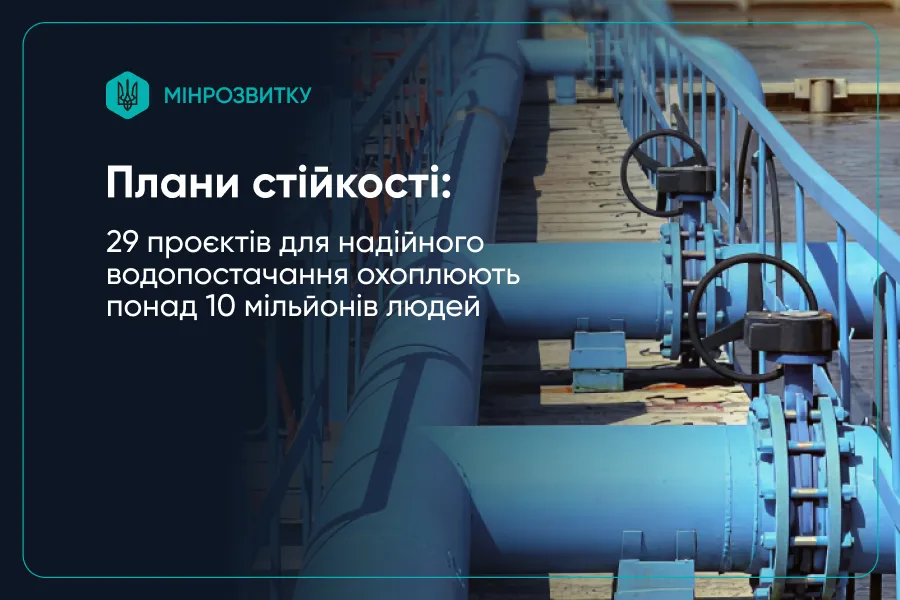
Ukraine is moving away from a single-source water supply model towards redundant systems that will be able to operate even during attacks and power cuts. Twenty-nine projects are already being implemented across 14 regions, benefiting over 10 million people.

This has been reported by the Ministry of Community and Territorial Development of Ukraine.

As part of its Resilience Plans, the Ministry is implementing 29 water supply projects across 14 regions of Ukraine. These involve the construction and modernisation of nearly 900 km of water mains.

There are also plans to install over 4,000 units of modern equipment. This is expected to create over 45 MW of additional capacity for the water supply systems.

Separately, plans are in place to upgrade pumping equipment. According to the ministry, this will be capable of pumping 3–4 million cubic metres of water per day.

The key idea is to avoid dependence on a single water source or a single power supply hub. For communities, this means backup water intake points, autonomous water supply, protection of key facilities and backup power supplies for water utilities.

Oleksii Kuleba, Deputy Prime Minister for the Reconstruction of Ukraine and Minister for Community and Territorial Development, stated that the state is moving towards a model of a resilient and redundant system. According to him, such systems must function “under any circumstances”.

In effect, this involves preparing water utilities for the winter and for potential attacks on the energy sector and infrastructure. If a facility has a backup power supply and alternative water sources, the city will have a better chance of maintaining its water supply even during emergencies or blackouts.

Where specific projects are already underway

One of the most notable examples is the Mykolaiv region. In the Mykolaiv region, the construction of a modern water supply system, including treatment facilities, has been completed. This involves a preliminary water treatment plant with a capacity of 120,000 cubic metres per day.

In the Dnipropetrovsk region, new water mains are being built for communities affected by the bombing of the Kakhovka hydroelectric power station. More than 28,000 residents are set to receive a stable, centralised water supply once the work is completed. One of the projects was scheduled to be launched in July 2026, the other in September.

Kyiv is making separate preparations for the winter. The capital has already built backup power systems with a capacity of almost 16 MW to meet the needs of the water supply network. In total, the city plans to install diesel power plants with a combined capacity of around 40 MW.

For city residents, these projects are intended to reduce the risk of a complete loss of water supply during emergencies, shelling or power cuts. This involves not just new pipes, but a backup strategy for the entire system: additional power supplies, alternative sources, new pumping stations and modernised equipment.

This is particularly critical for frontline and affected regions, where water infrastructure has already been damaged or is operating under heavy strain.

Preparing for winter

The Ministry of Development cites the development of a modern, redundant and energy-independent water supply system as one of the priorities of state policy for restoring and strengthening community resilience.

This means that, ahead of the coming winter, water utilities must be equipped with greater technical capacity to operate in the face of power cuts and infrastructure damage.

Follow us on Telegram.
Share tittle
Society
Pension reform in Ukraine: who is set to receive higher payments, and what will happen to length of service?
Society

Pension reform in Ukraine: who is set to receive higher payments, and what will happen to length of service?

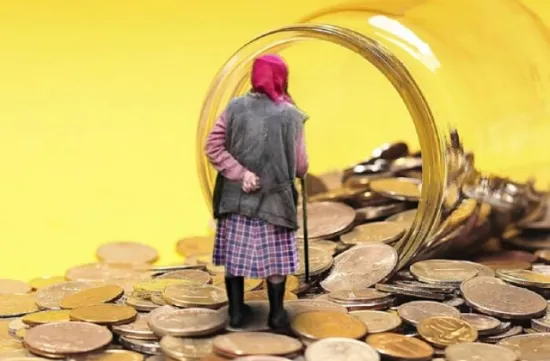
The government is preparing a new pension reform, which is set to change the rules for calculating pension payments in Ukraine. The aim is to link pensions to the contributions an individual has paid throughout their working life, and to divide the system into three parts: a solidarity-based, an occupational and a funded scheme.

08.07.2026
‘Dii’ has selected outstanding Ukrainians for a new educational project: who won?
Society

‘Dii’ has selected outstanding Ukrainians for a new educational project: who won?

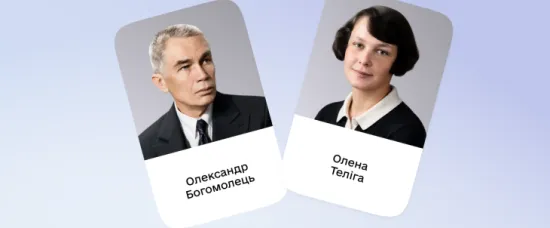
Two polls have concluded on the Diia app, in which Ukrainians voted for figures to feature in a new educational project. The winners were the pathophysiologist Oleksandr Bogomolets and the poet and activist in the Ukrainian liberation movement Olena Teliga.

08.07.2026
The Ministry of Culture has changed the criteria for funding in the cultural sector: online and corporate projects will not be eligible
Society

The Ministry of Culture has changed the criteria for funding in the cultural sector: online and corporate projects will not be eligible

The Ministry of Culture has updated the criteria used to determine which enterprises, institutions and organisations in the cultural sector may be recognised as vital to the national economy. This relates to the procedure for exempting employees subject to military service, but the status itself does not imply automatic exemption.

08.07.2026
"The Rock" has responded to journalists’ reports of seven further fatalities in the regiment
Society

"The Rock" has responded to journalists’ reports of seven further fatalities in the regiment

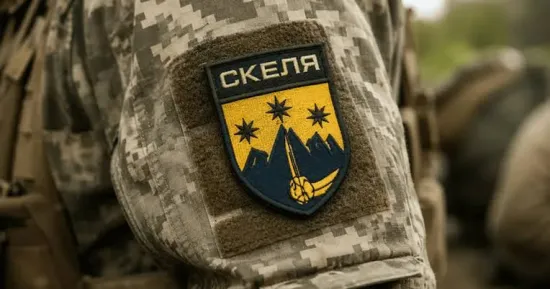
The 425th Separate Assault Regiment ‘Skelya’ has commented on a report by ‘Babel’ regarding seven further conscripts who were killed during training exercises with the regiment. They say they are cooperating with law enforcement agencies and are striving to “reduce to zero” non-combat casualties.

08.07.2026
A secondary school headteacher from the Kherson region was called up whilst on his way to the Ministry of Education and Science: the ombudsman has launched an investigation
Society

A secondary school headteacher from the Kherson region was called up whilst on his way to the Ministry of Education and Science: the ombudsman has launched an investigation

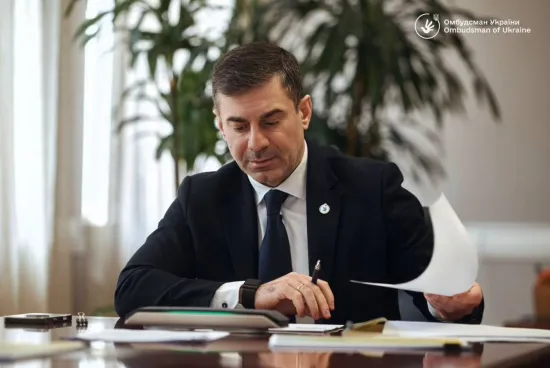
Dmytro Lubinets, the Verkhovna Rada’s Human Rights Commissioner, has launched an investigation into the circumstances surrounding the mobilisation of a 57-year-old lyceum headteacher from the Kherson region. The case concerns a headteacher who has led the school for 35 years and, according to staff, did not abandon his colleagues even during the temporary occupation of the region.

08.07.2026