A secondary school headteacher from the Kherson region was called up whilst on his way to the Ministry of Education and Science: the ombudsman has launched an investigation

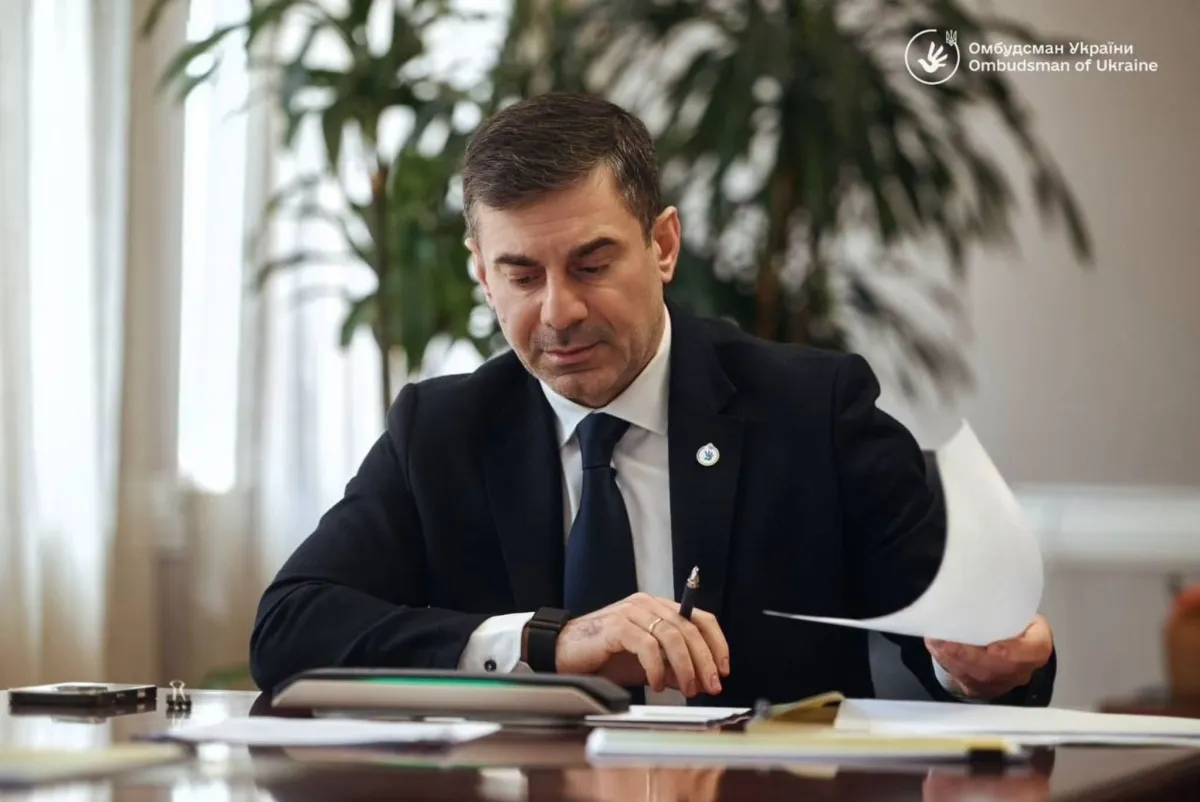
This was reported by Dmytro Lubinets, the Verkhovna Rada Commissioner for Human Rights.
Lubinec was approached by the teaching staff of one of the lyceums in the Kherson region. The teachers reported that their 57-year-old headteacher had been stopped whilst travelling to Kyiv, after which he was sent to undergo a military medical examination.
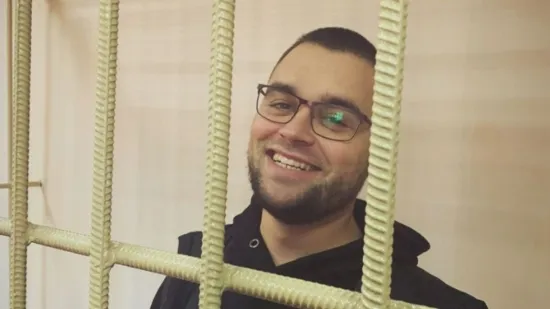
According to Suspilne, the individual in question is Artem Kiyanovsky, headteacher of the ‘School of Humanities’ lyceum in Kherson. He was mobilised following a document check at a checkpoint in the Mykolaiv region. Colleagues allege possible irregularities during the mobilisation process, whilst the Territorial Centre for Mobilisation and the State Border Guard Service insist they acted in accordance with the law.
He was stopped at a checkpoint on his way to Kyiv
According to his colleagues, on 23 June, Kiyanovsky was travelling to Kyiv for a meeting of the Scientific and Methodological Commission of the Ministry of Education and Science of Ukraine. At a checkpoint in Pivdennoukrainsk, he was stopped by representatives of the Voznesensk District Military Registration and Enlistment Office and the Special Forces for a document check.
The educational institution claimed that the headteacher did not resist and agreed to comply with the lawful requirements for processing the documents. He was then taken to the Voznesensk District Centre for Vocational Training and Social Services, and subsequently sent to Mykolaiv for a medical examination.
What colleagues say about the medical examination
The teaching staff stated that the military medical examination, including the completion of medical paperwork, lasted no more than 40 minutes. According to his colleagues, this took place despite the headteacher suffering from chronic illnesses.
The lyceum also claimed that the Military Medical Commission’s report included the results of tests which, they said, Kiyanovsky had not undergone. He was then sent to a military unit. School staff also stated that for over nine hours, the headteacher was unable to contact his 87-year-old father.
Why the Ombudsman intervened
Lubinec stated that the state must act in accordance with the law, but should not turn procedures into a “heartless conveyor belt”. In his view, each situation must be considered on a case-by-case basis, particularly when it concerns a person who has worked for the community for decades and ensured the educational process continued under difficult conditions.
The Ombudsman emphasised that the educational process relies not only on orders and documents, but first and foremost on people. He has already begun investigating the circumstances outlined in the teaching staff’s appeal.
What is known about Artem Kiyanovsky
According to Lubinets, the headteacher is an Honoured Worker of Education of Ukraine and holds a PhD in Pedagogy. He has been at the helm of the school for 35 years, and during the temporary occupation of the Kherson region, as the teaching staff claim, he did not abandon the staff and did everything possible to ensure the lyceum continued to operate.
Suspilne also notes that the individual in question is Artem Kiyanovsky, headteacher of the ‘School of Humanities’ lyceum, who has led the institution for many years.
The position of the Regional Civil Protection and Emergency Situations Centre
The Mykolaiv Regional Military Registration and Enlistment Office and the Security Service confirmed to Suspilne that on 23 June, a patrol from the Voznesensk District Military Registration and Enlistment Office and the Security Service stopped a car in which Artem Kiyanovsky was travelling.
According to the Military Registration and Enlistment Office, he stated that he did not have his military registration documents with him. He was then invited to the first department of the Voznesensk District Military Registration and Enlistment Office, accompanied by a police officer, to establish his identity and his status as a person liable for military service.
The Military Registration and Enlistment Office also stated that Kiyanovsky had no documented deferment from mobilisation, and there was no record of him having previously undergone a medical examination. It was for this reason that he was referred for a medical examination. A representative of the Military Registration and Enlistment Centre refuted allegations that the medical examination had been rushed and stated that all laboratory tests and rapid tests had been carried out.
Why the story caused such a stir
This story caused a stir for several reasons: the director’s age, his long-standing career in education, the staff’s allegations of possible irregularities during the registration process, and the fact that it concerned the head of an educational institution in a frontline region.
In this context, Lubinets once again emphasised the need for reform of the mobilisation process. According to him, decisions should be made not only on the basis of formal criteria, but also with due regard to the principles of fairness.
The Ombudsman reported that, following the teaching staff’s appeal, he had already begun an investigation into the circumstances outlined. For the time being, this is specifically an investigation, rather than a final assessment of the legality or illegality of the officials’ actions.
Follow us on Telegram.