US senators are set to call on the Trump administration to support new sanctions against Russia at the NATO summit

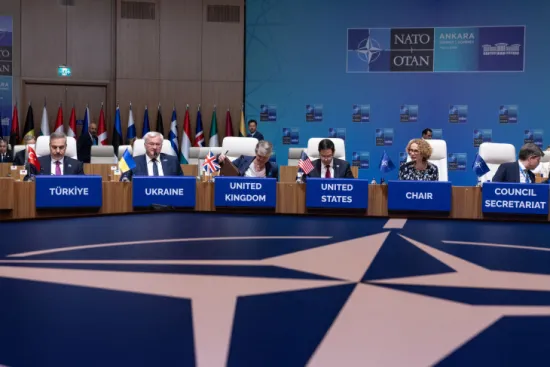
A bipartisan group of US lawmakers intends to call on US President Donald Trump’s administration to support a bill imposing new sanctions on Russia. They plan to raise this issue during a meeting with US Treasury Secretary Scott Bessent on the sidelines of the NATO summit in Ankara.
The meeting is expected to take place during a dinner hosted by the US Ambassador to Turkey, Tom Barrack, according to the WSJ.
The bill in question was drafted by Senators Lindsey Graham and Richard Blumenthal. The legislation provides for the imposition of sanctions and tariffs on countries that do business with Russia, in particular those purchasing Russian oil and uranium.
Despite broad bipartisan support, the bill has been stalled in Congress for some time. The White House is seeking to soften certain provisions of the bill to give the president more room for manoeuvre in negotiations with Moscow regarding a peaceful resolution to the war in Ukraine.
Senator Chris Coons stated that during the meeting, lawmakers would urge Bessent to secure the President’s support for the bill, as without it, its passage through the Senate would be difficult.
In addition, they plan to urge the Treasury Secretary not to extend the sanctions exemptions on Russian oil. Following the war with Iran and the closure of the Strait of Hormuz, the US Treasury Department imposed 30-day sanctions exemptions on three consecutive occasions to ease the situation on the global energy market. The latest such exemption expired in June.
A spokesperson for the Treasury Department said that Scott Bessent plans to tell lawmakers during the meeting that these exemptions helped keep oil prices in check during the early stages of the war with Iran.
He will also emphasise that, under Donald Trump’s presidency, the US imposed sanctions on the two largest Russian oil companies, which are financing the Kremlin’s military operations. According to him, Lukoil’s international assets will be separated from its Russian parent company, and all payments will be made through restricted accounts.
Supporters of the bill believe that only increased economic pressure can force Russia to take peace talks seriously. They stress that Donald Trump’s support is key to the bill’s progress.
Senator Mike Rounds stated that the bill would only make sense if the president were prepared to implement its provisions.
Lindsey Graham had previously stated that Donald Trump had endorsed the legislative initiative, and the President himself had spoken in favour of its further consideration by Congress as far back as 2025. However, work on the bill has slowed in recent months due to a lack of clear support from the White House and attempts to amend its text.
The Republican majority leader in the Senate, John Thune, had previously stated that the bill should first go through the House of Representatives, as it relates to federal revenue. Furthermore, the Senate’s packed agenda makes it difficult to bring the bill to a vote in the run-up to the mid-term elections.
According to US officials and congressional aides, the White House and Congress are continuing to discuss possible amendments to the bill. The Trump administration is seeking to ensure that the bill does not restrict the president’s efforts to reach a peace agreement between Ukraine and Russia.
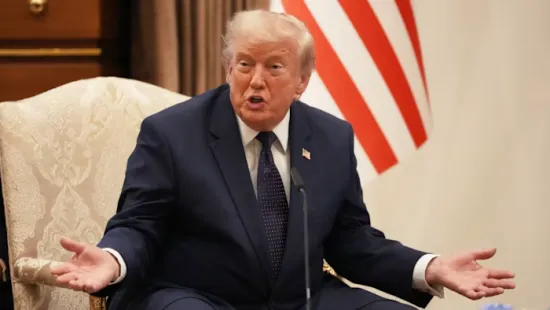
The war in Ukraine is expected to be one of the main topics at the NATO summit in Ankara. Donald Trump told journalists that he had spoken separately the day before with Russian President Vladimir Putin and Ukrainian President Volodymyr Zelenskyy, and that he also plans to meet with Zelenskyy during the summit.
“They both want to reach a settlement now,” Trump said.
The US’s European allies, concerned about Washington’s plans to scale back its commitments to NATO, also intend to urge the US president to step up support for Ukraine.
According to Mike Rounds, the majority of Republican senators continue to support both NATO and Ukraine.