Ukrainians receive three gas bills: what each bill means

Olga Brus, a lawyer at EvrikaLaw, explained this in a comment to UNIAN.
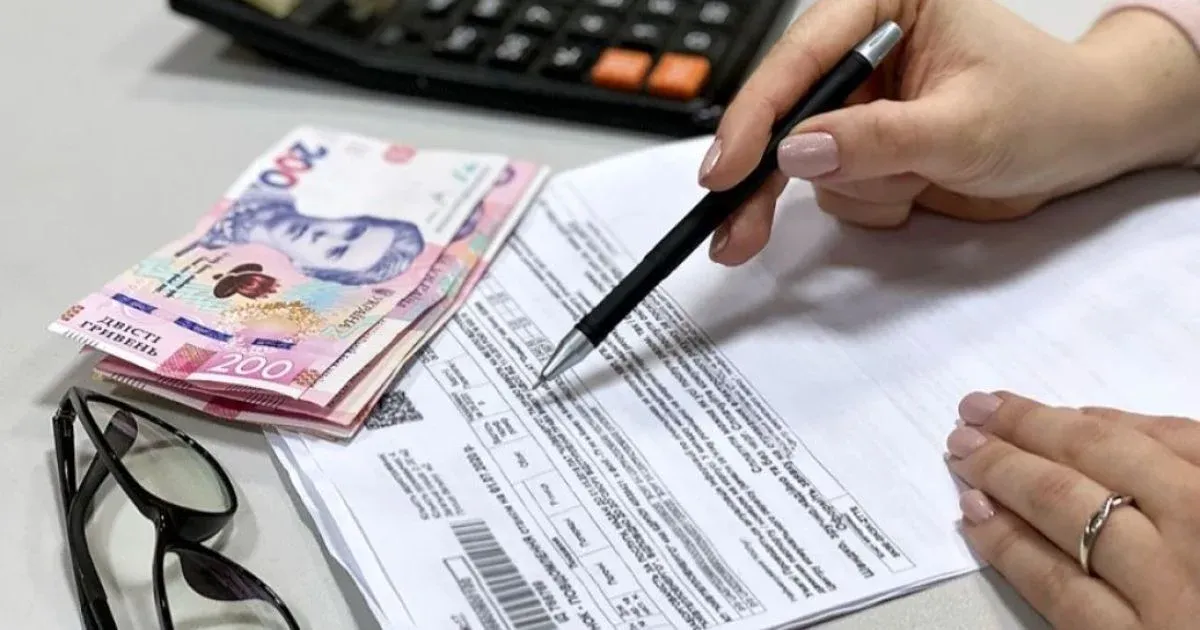
In Ukraine, consumers may receive three separate bills relating to gas.
These are the bill for the natural gas itself, a separate bill for its distribution or delivery, and a bill for the maintenance of in-building gas supply systems.
Lawyer Olga Brus explained that the so-called “third bill” relates specifically to the maintenance of gas networks in apartment blocks.
According to her, this service is provided for by the Gas Distribution Systems Code, the Law “On Housing and Communal Services”, and the Procedure for Carrying Out Maintenance, which the Ministry of Energy approved in 2023.
Maintenance is necessary to ensure the safe and proper operation of gas networks in the building.
The co-owners of the property are responsible for paying for this service.
The bill may be sent either to the homeowners’ association for the full amount, or to each resident individually – in proportion to their share.
How often does the third bill arrive
The third gas bill is not a monthly one.
The frequency of billing depends on the age of the in-building gas networks.
“If the systems are under 25 years old, the equipment is serviced once every 5 years, and if they are over 25 years old, then once every 3 years,” explained the lawyer.
In other words, the maintenance bill does not arrive every month, but only after the relevant work has been carried out.
Why is there a separate bill for gas supply?
A separate bill for gas distribution was introduced following the gas market reform in 2020.
Following this reform, consumers were given the opportunity to choose their own gas supplier.
That is why the payment was split.
Ukrainians pay the supplier, for example ‘Naftogaz’, for natural gas.
And for the delivery of gas through the pipes – to the gas distribution network operator, i.e. the local regional gas company or a regional branch of ‘Gazmeret’.
How the distribution charge is calculated
The gas distribution charge is calculated for the so-called ‘gas year’.
This runs from 1 October to 30 September.
The volume of gas consumed by the customer during this period is divided by 12 months and multiplied by the tariff of the specific operator.
The tariff is set by the NEURC, and it varies from region to region.
It depends, in particular, on the length of the networks and the size of the population.
As an example, the lawyer cited the Kyiv region, where the tariff for the population is 0.32 UAH per cubic metre per month.
According to the lawyer, the less gas a person has consumed, the lower the amount for its distribution will be next year.
Is it possible not to pay for gas distribution?
Only those consumers who are officially disconnected from the gas networks can avoid paying for gas distribution.
However, even after disconnection, charges may continue to be incurred for a certain period.
This is because, in the current year, consumers pay for gas distribution based on the volumes used in the previous gas year.
If the gas supply has not been officially disconnected, it will not be possible to avoid paying for distribution entirely.
Even with minimal usage or seasonal occupancy, a minimum charge is applied.
“The basis for non-payment for gas and its distribution is a sealing certificate, not simply stating: ‘I am not using it’,” emphasised Olga Brus.
So, the three gas bills reflect different components of the service: the resource itself, its delivery to the consumer, and the maintenance of the internal networks in the building.
Follow us on Telegram