Ukrainians remain steadfast in the fourth year of war despite shelling and losses

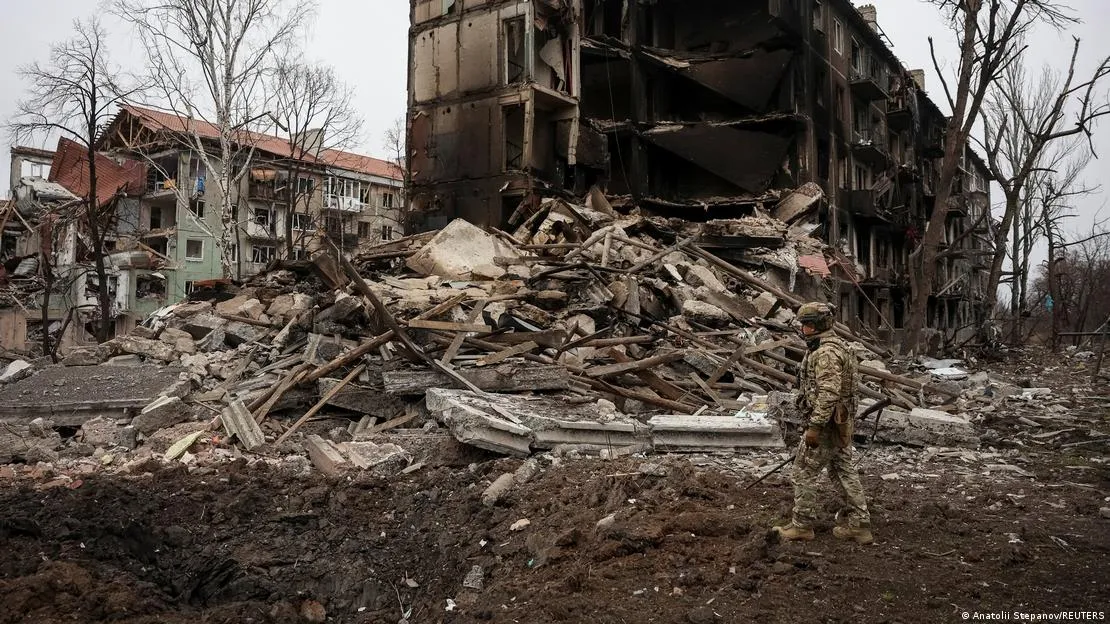
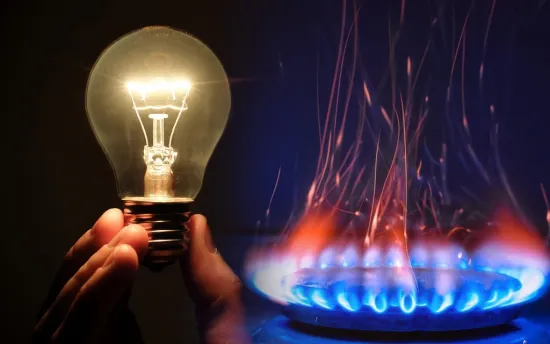
In early February, the Kyiv International Institute of Sociology published the results of a survey conducted at the end of January. The survey took place after massive strikes on energy infrastructure, when part of the country, primarily Kyiv, faced a shortage of electricity, heat and water at temperatures of minus 25 degrees. This was reported by Deutsche Welle.
Eighty-eight per cent of respondents believe that Russia is trying to force Ukraine to surrender by attacking its energy system. Sixty-five per cent of those surveyed said they were prepared to endure the war for as long as necessary. In September and December 2025, 62 per cent of respondents gave the same answer.
KMIS Executive Director Anton Hrushetsky explains that one of the key factors of resilience is the perception of war as existential. According to him, for Ukrainians, this is not only a question of justice, but also of survival. Despite fatigue and readiness for difficult decisions, people are not ready to cross red lines.
Psychologist Kateryna Kudzhyna notes that chronic stress is exhausting Ukrainians physiologically and psychologically. At the same time, she talks about the psychological effect when, after numerous losses, it is difficult for people to give up what remains and accept defeat.
Natalia, a student who lost her father in Donetsk Oblast, says she is not ready to give up and believes in Ukraine's future. At the beginning of the full-scale war, she left the country, but later returned. According to her, she wants to stay in Ukraine and participate in its reconstruction.
Another Kyiv resident, Olga, says that her husband volunteered to go to the front in the early days of the invasion and is now serving in the Pokrovsk direction. She is raising her young son and working. According to her, many Ukrainians remain hopeful, observing Russia's economic difficulties and lack of significant military victories in four years.
Fatigue is also felt among the military. Combat medic Serhiy, who has been serving since 2022, talks about the negative impact of the lack of fixed terms of service and the possibility of demobilisation. Serviceman Kyrylo notes that many have already come to terms with the uncertainty, adapting to the conditions of war.
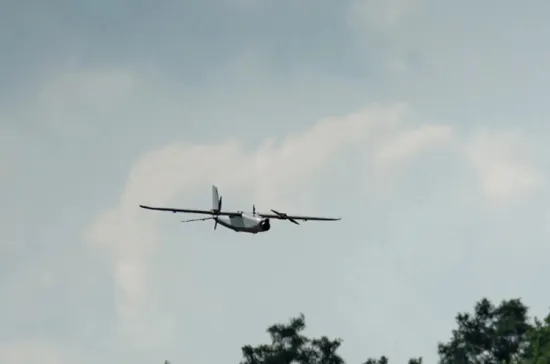
At the same time, a soldier from the Kraken 3 unmanned systems regiment of the 3rd Army Corps, with the call sign Mos, says that when motivation disappears, discipline and the understanding that Ukraine may lose its identity without a fight remain.
According to Anton Hrushetsky, another factor contributing to resilience is the feeling of support from European partners. More than 60 per cent of those surveyed remain optimistic and believe that in ten years Ukraine will be a prosperous member of the European Union. Many see the current difficulties as an investment in the future, he says.
*The names of the protagonists have been changed.