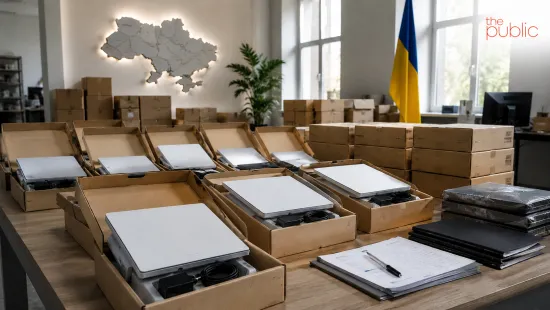
Ukraine needs to approve a tax on parcels as part of the IMF programme

This is reported by Reuters, citing a source close to the negotiations.
Ukraine needs to pass a law introducing value-added tax on low-value parcels from abroad.
According to Reuters, this is necessary to fulfil the $8.1 billion cooperation programme with the International Monetary Fund, which is due to be reviewed in June.
Kyiv relies on international aid to cover budgetary needs and fund the war with Russia.
Most multi-year funding programmes depend on whether Ukraine implements governance reforms and changes to fiscal legislation.
The new IMF programme, approved in February, is intended to maintain allies’ confidence in continued funding for Ukraine.
Its review in June is set to determine whether Ukraine is meeting its targets.
According to a Reuters source, the IMF is pressing Ukraine to broaden its tax base.
“Taxes have now become one of the key issues. Without the adoption of this law, there may be no review, with all the negative consequences that entails,” the source said.
The agency’s source also stated that if the IMF programme falls through, Ukraine will not be able to receive funds from the European Commission.
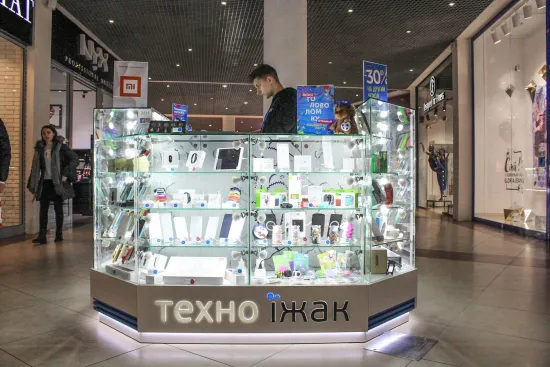
Currently, parcels containing goods worth less than €150, or $175.54, are not subject to VAT in Ukraine.
According to the Ministry of Finance’s estimates, the introduction of such a tax could generate around 10 billion hryvnias, or $227.53 million, annually.
The draft law has already been submitted to parliament, but it has not been considered due to a lack of support among MPs.
The Ministry of Finance has stated that this proposal will not make it more difficult for Ukrainians to send and receive parcels from abroad.
Non-commercial parcels worth less than €45 will not be taxed.
There are no plans to introduce VAT on such parcels until 2027.
Reuters notes that parliament recently refused to pass several laws important for international financing.
Among them was a proposal to introduce VAT for the self-employed. This is one of the criteria set by the IMF.
Many MPs stated that they would not support this unpopular measure.
As a result, the government was forced to return to negotiations with the IMF.
Following talks with IMF representatives in Washington in mid-April, Prime Minister Yulia Svyrydenko stated that there was agreement on the “unconstructiveness” of introducing such a tax.
She also said that Ukraine would seek alternatives.
According to a Reuters source, the issue of VAT for the self-employed is difficult to implement in 2026, so it may be postponed to a later date.
Meanwhile, negotiations on this issue are ongoing.
As reported by ThePublic, the National Bank has clarified the procedure for executing payment instructions in foreign currency and bank metals for payment service providers.
Follow us on Telegram