Estonia has announced the arrest of 16 people linked to the Russian security services

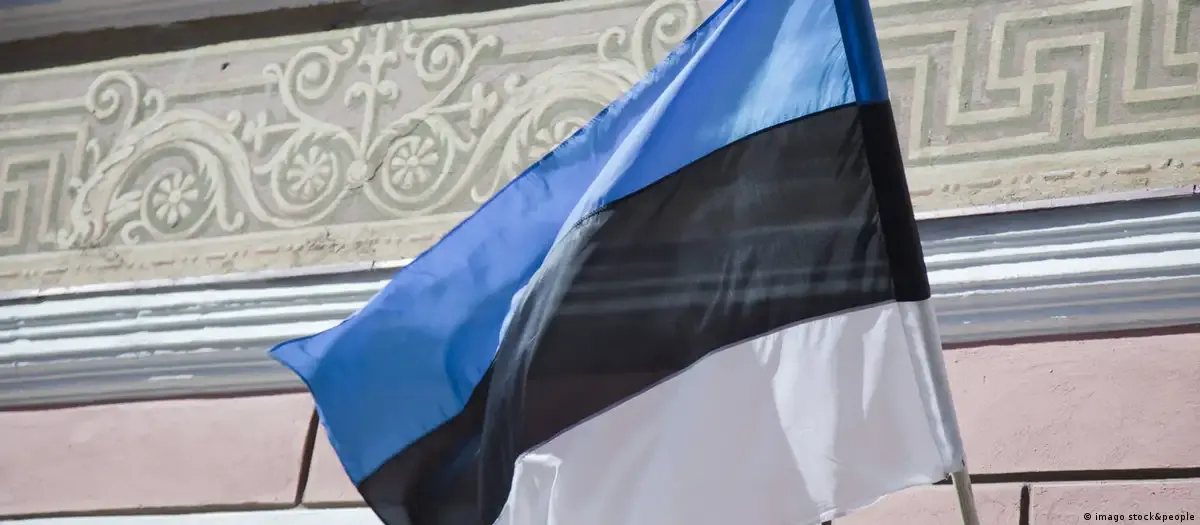
Since the start of 2025, 16 people with links to the Russian security services have been arrested in Estonia. This was announced by the head of the country’s Security Police, Margo Pallonen, during the presentation of the agency’s annual report in Tallinn, according to DW.
According to him, most of those detained worked for the FSB, whilst some were agents of Russian military intelligence, formerly known as the GRU. Among them, two held Russian citizenship, two are Estonian citizens, and another two hold dual citizenship of Estonia and Russia. The detainees also include citizens of Israel, Moldova and Ukraine.
The vast majority of those detained did not have access to sensitive information or government institutions. Pallonen noted that the activities of all 16 individuals were halted at a relatively early stage, and they did not manage to cause significant harm to the country’s security.
He emphasised that the number of detainees does not indicate an increased threat level, but is the result of preventive work by internal security agencies.
According to Pallosson, the sanctions imposed on Russia have limited its capacity for hostile activities, particularly propaganda. A significant portion of these activities has shifted to social media. He cited the example of the emergence of anonymous channels calling for the secession of the city of Narva, which is located near the border with Russia.
It is also noted that the European Union is changing its approach to countering disinformation from Russia. Instead of debunking fake news, the focus is on improving the media literacy of the population. This approach has formed the basis for the work of the European Centre for Democratic Resilience, which opened in February.
Finland has been chosen as a model, where citizens are taught media literacy from primary school onwards and where there is a high level of trust in the media and state institutions.
According to the European Commission’s 2025 report, the European Union country most vulnerable to Russian information influence is France. It was also previously noted that Germany is one of the main targets of disinformation campaigns aimed at undermining support for Ukraine and discrediting the US and NATO.
According to Le Monde, Russia spends around €1.3 billion on propaganda operations abroad each year, whilst the European Union allocated €5 million in 2025 to improve media literacy and resilience to disinformation.
Follow us on Telegram