The US military operation in the Caribbean region has already cost nearly $3 billion.

At the beginning of the year, American special forces conducted Operation Absolute Resolve in Caracas, during which about 60 soldiers, supported by aircraft, landed from helicopters, detained Venezuelan President Nicolas Maduro and his wife Cilia Flores, and took them to a US military ship 100 miles off the coast. The White House called the operation swift and one that did not require additional taxpayer funds.
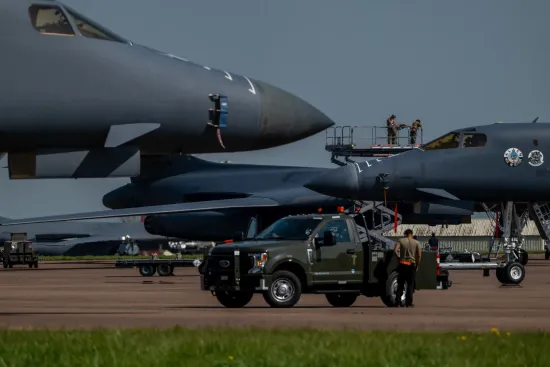
However, the overall US military presence in the Caribbean proved to be much more expensive. According to Bloomberg Economics estimates, between mid-November and mid-January, the daily cost of maintaining the deployed ships exceeded $20 million. According to former Pentagon finance official Elaine McCaskill, from August 2025, Operation Southern Spear, which included Absolute Resolve, could cost around $2 billion in direct costs alone for operating ships, aircraft and drones and replenishing ammunition.
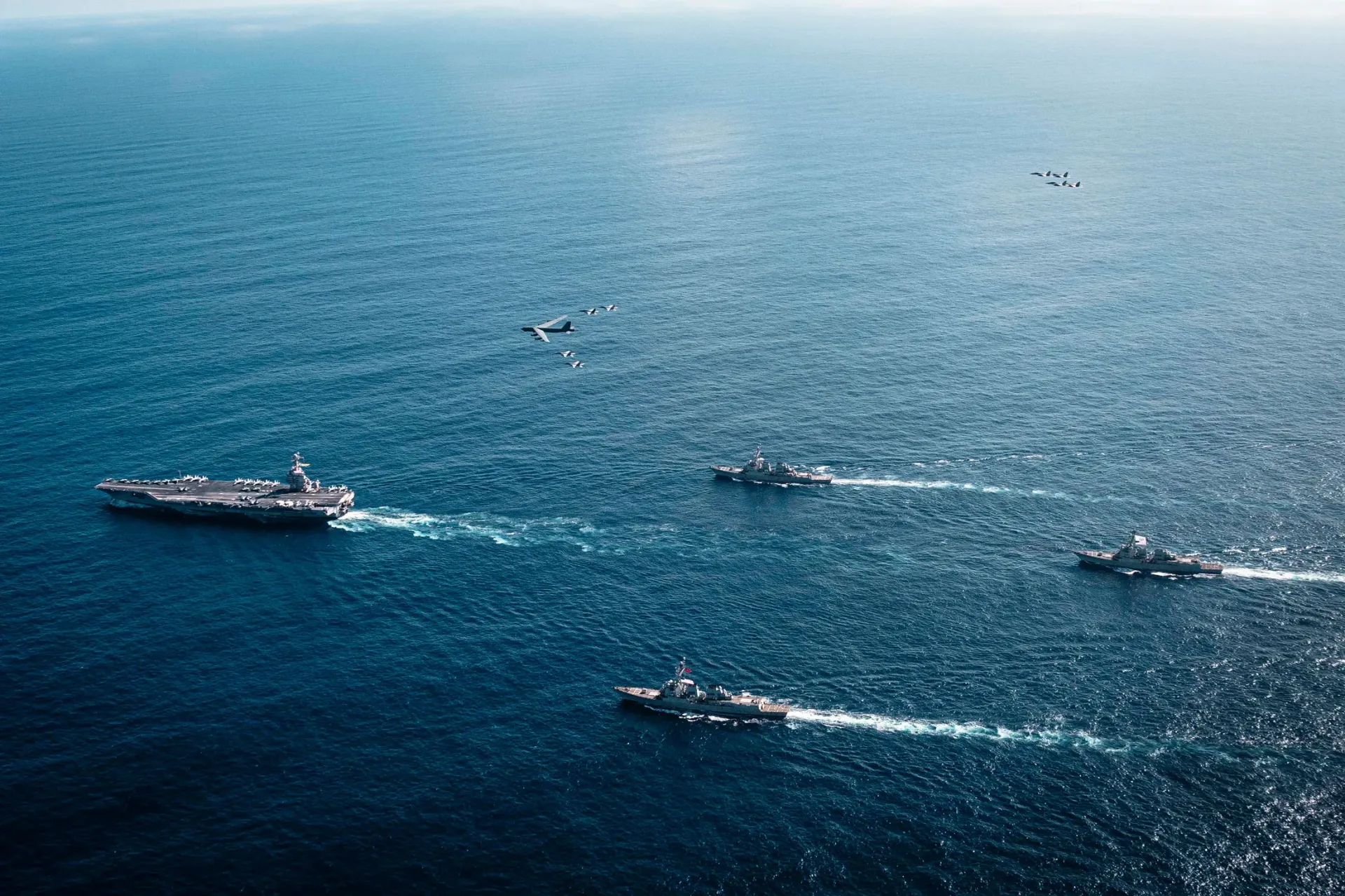
At its peak, the group included up to 20 per cent of the US surface fleet. The aircraft carrier USS Gerald R. Ford played a central role, with more than 4,000 military personnel and dozens of combat aircraft on board. Together with destroyers, submarines and missile cruisers, its daily maintenance was estimated at $11.4 million.
At least two amphibious strike groups operated separately, including the USS Iwo Jima, USS Fort Lauderdale and USS San Antonio, along with the 22nd Marine Expeditionary Unit. Their presence cost approximately $8.59 million per day. Logistics and support vessels added another $1 million per day.
Although these costs are included in the Pentagon's budget, experts point out that the increased intensity of operations and additional payments to the military could increase planned expenditures by about 10 per cent. At the same time, the Pentagon has not released an official estimate of the cost of the operation, and members of relevant congressional committees say they have not received detailed calculations.
The transfer of forces to the Caribbean region has also affected other theatres. The USS Gerald R. Ford was recalled from the Mediterranean Sea, where it was participating in exercises with NATO partners. Amphibious groups that were supposed to go to Europe also changed their route. Later, the aircraft carrier group was sent to the Middle East amid the escalating situation with Iran.
President Donald Trump said that the US would monitor the situation in Venezuela until a safe transition of power. At the same time, experts point to indirect consequences, as the concentration of a significant part of the fleet in one region may limit the ability to respond in other parts of the world.