Up to 30,000 people may have died during two days of protests in Iran

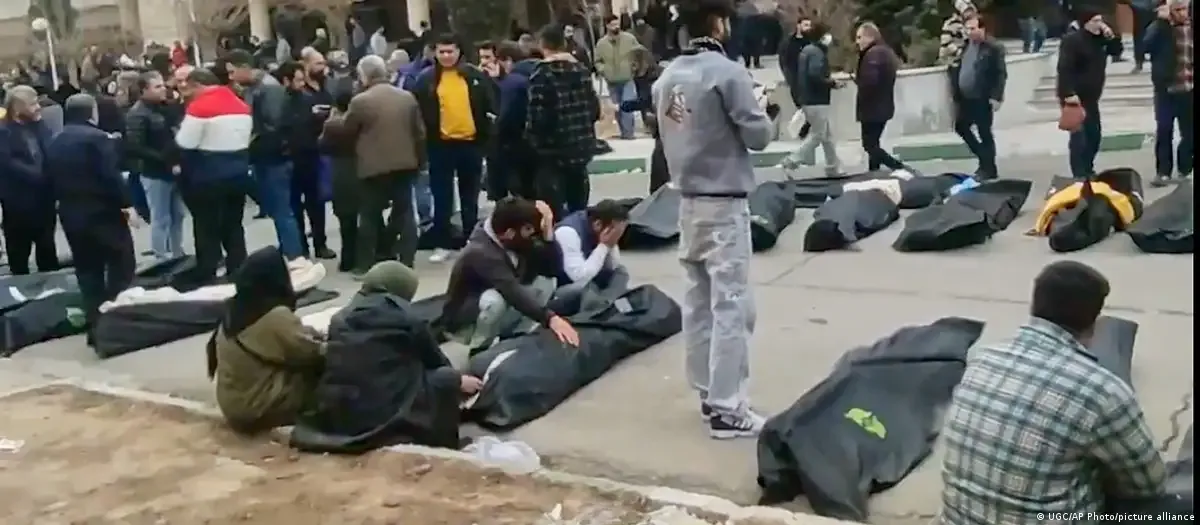
The number of victims of anti-government protests in Iran could have reached more than 30,000 in just two days, on 8 and 9 January 2026. This was reported by Time magazine, citing two senior officials from the country's Ministry of Health.
According to the publication's sources, the scale of violence by security forces was so great that the state system was unable to cope with the number of deaths. Supplies of body bags quickly ran out, and heavy-duty semi-trailers were used to transport bodies instead of ambulances. Time notes that it cannot independently confirm these figures.
The Iranian authorities' internal estimates differ significantly from their public statements. On 21 January, official representatives of the regime, who report directly to Supreme Leader Ali Khamenei, reported 3,117 deaths during the entire period of protests. At the same time, human rights organisations cite different figures. The US-based Human Rights Activists News Agency confirmed 5,459 deaths as of the end of January and is verifying information on another 17,031 cases.
The estimate of more than 30,000 deaths partly coincides with the calculations of doctors and rescuers who secretly collected information from hospitals. According to Dr Amir Parasti, as of 9 January, 30,304 deaths had been recorded in medical facilities. However, these figures do not include the dead who were taken to military morgues, as well as victims in areas that could not be accessed. According to the Iranian National Security Council, protests took place in approximately 4,000 settlements across the country.
The protests began on 28 December 2025 against the backdrop of an economic crisis, but quickly escalated into mass political demonstrations demanding the overthrow of the Islamic regime. The violence peaked in the second week of January, when the authorities shut down the internet and communications, and security forces opened fire on demonstrators. Witnesses reported snipers on rooftops and the use of heavy machine guns. On 9 January, a representative of the Islamic Revolutionary Guard Corps publicly stated that those who take to the streets should not complain if they are hit by a bullet.
Information about the events began to leak out only a few days later thanks to satellite internet. Experts on mass killings note that even the figure of 30,000 may be an underestimate. For comparison, they cite only a few historical examples of such large-scale killings in a short period of time.
One of the victims was 23-year-old Isfahan resident Sahba Rashtian, who died from a bullet wound during a peaceful demonstration on 9 January. Her friends said that she died on the operating table. The funeral took place without religious rites, and the father of the deceased called his daughter a martyr on the path to freedom.
Iran, Khamenei, USA, protests,