The empire of fake luxury: the state is losing billions of hryvnias due to the incompetence of the Economic Security Bureau and the tax authorities

Зміст
- From Telegram to showrooms: how replica watches are sold
- The Chinese connection: where the counterfeits come from
- Not smuggling, but a high-quality service: how replicas find their way into Ukraine
- Tax-free and in cryptocurrency: how the financial model works
- The price of counterfeits: legal implications
- Who should tackle counterfeiting?
- Four cases across the whole country: ESBU statistics
- The cost of inaction
- Counterfeit goods versus legitimate business: what politicians and businesspeople have to say
- Impunity as a business model
ThePublic has analysed how the shadow empire of fake luxury goods operates and whether the state is capable of tackling it.
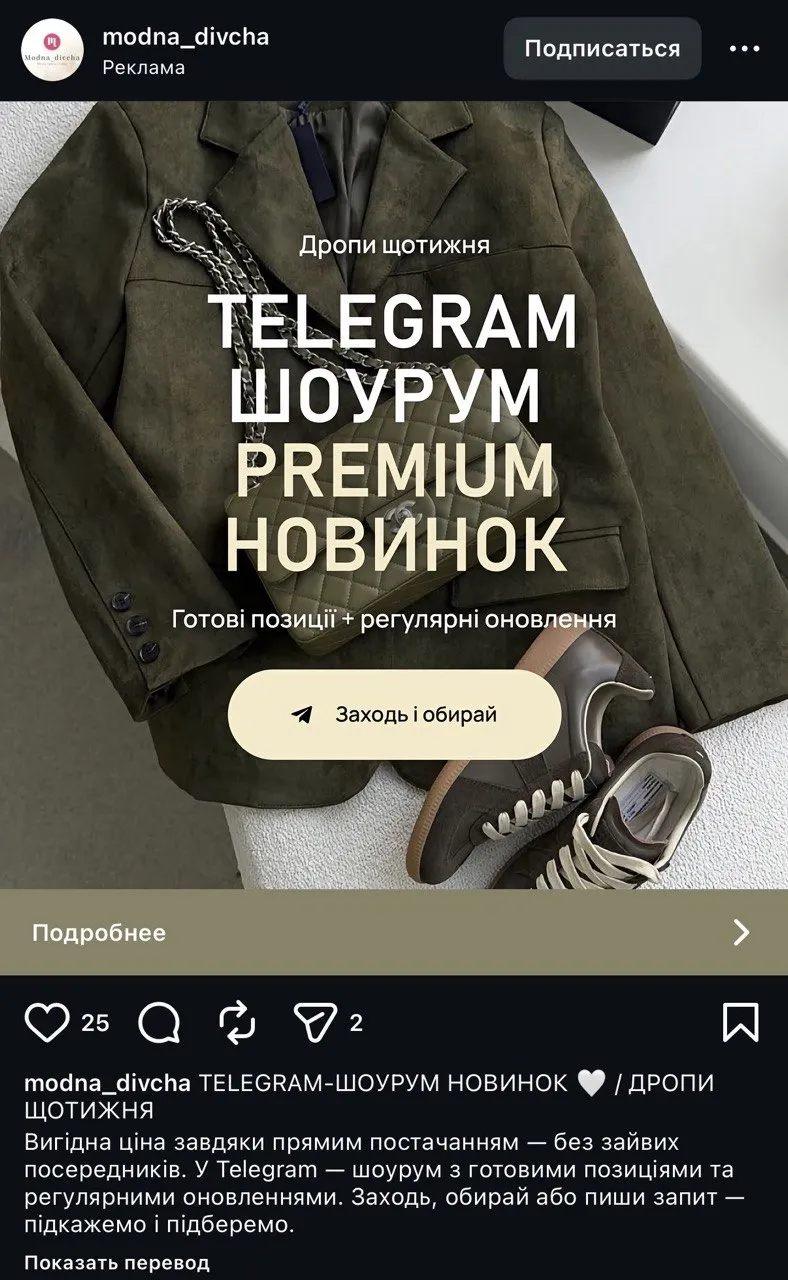
From Telegram to showrooms: how replicas are sold
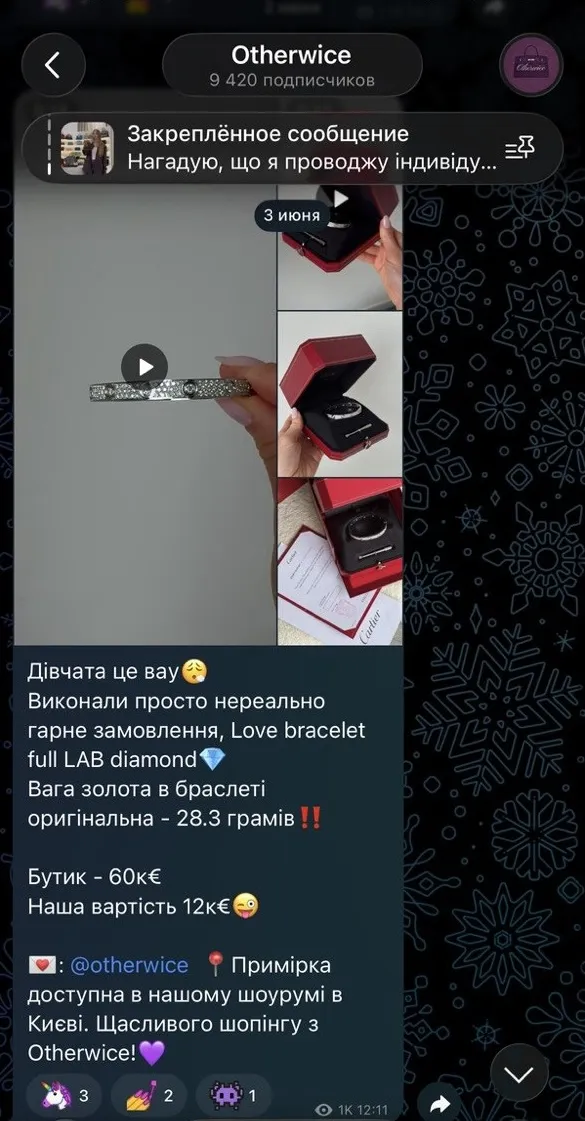
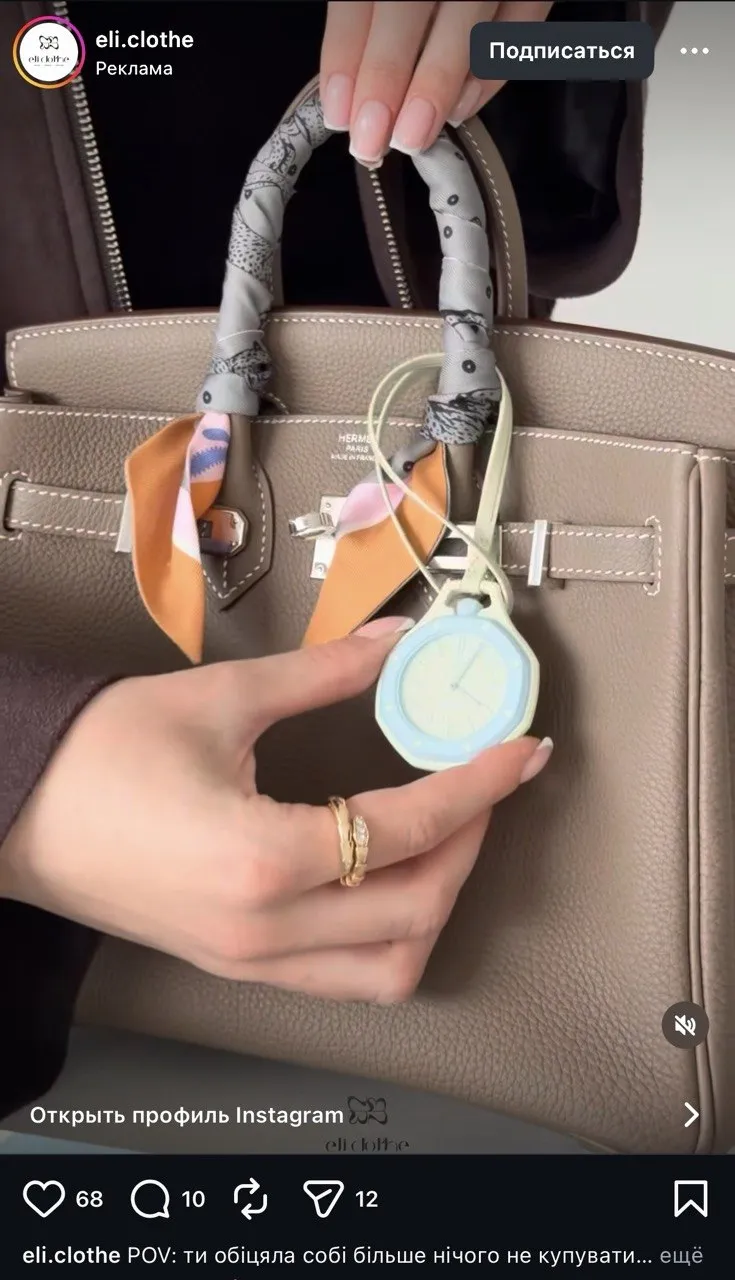
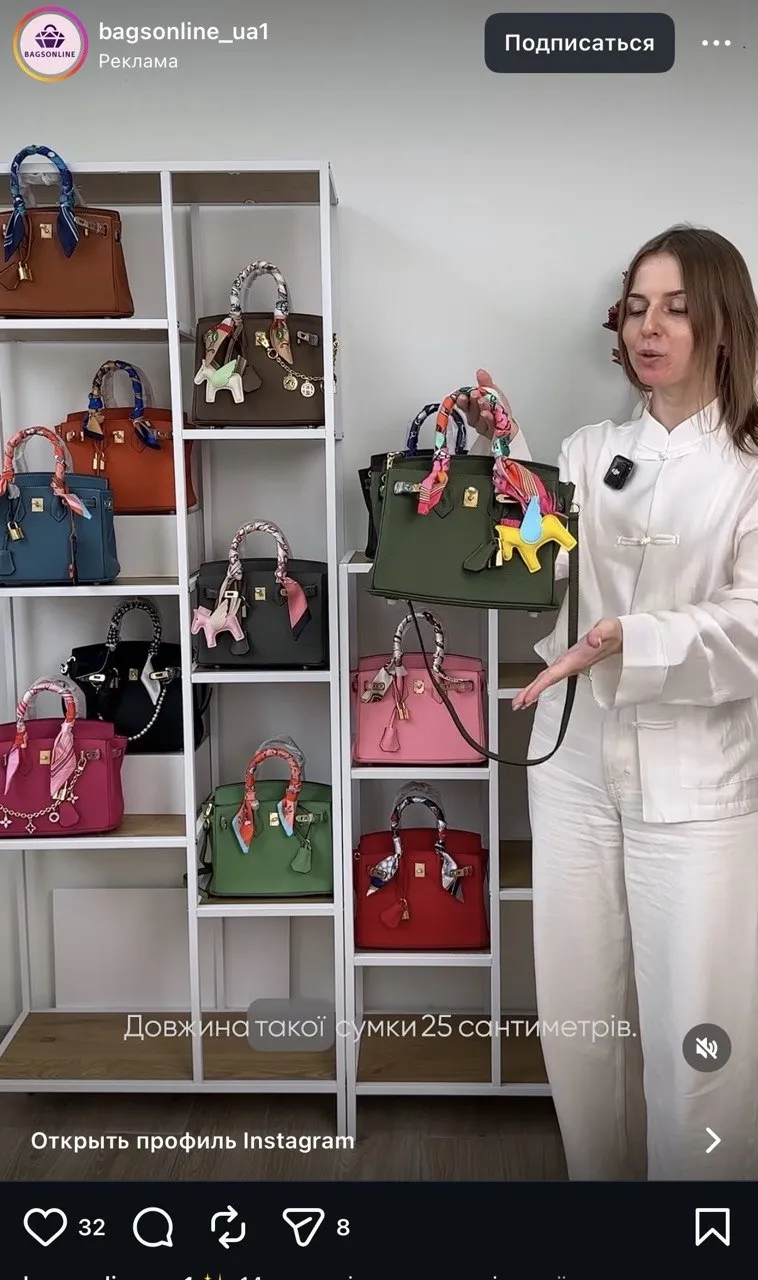
Just a few years ago, a Hermès Birkin bag or Dior accessories remained an unattainable luxury for most Ukrainians. Today, however, dozens of social media pages offer almost any luxury item at a price significantly lower than the original.
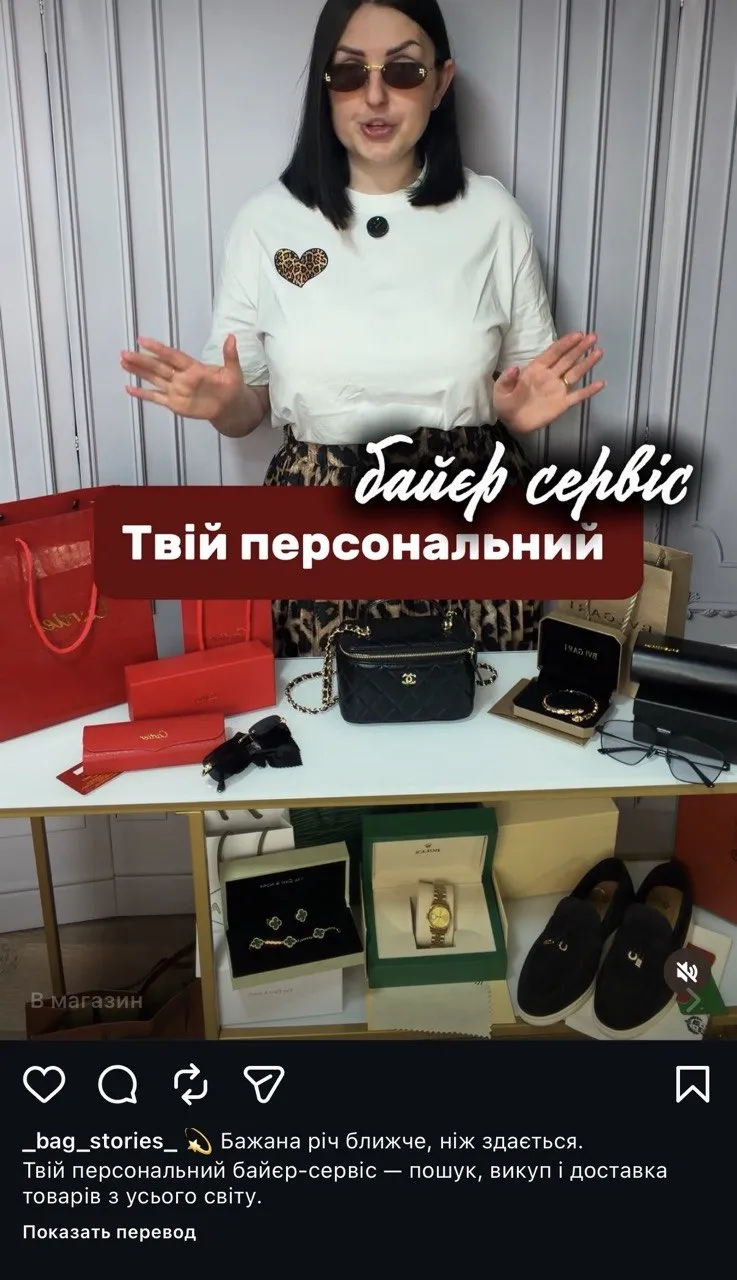
On sale are clothes, shoes, bags, watches, jewellery and accessories that look almost identical to products from well-known brands. The cost of such replicas starts at a few thousand hryvnias and can reach tens of thousands of dollars.
Sellers often position themselves as “buyers” or “dropshipping specialists”, although in reality they are selling counterfeit goods.
The Chinese connection: where the counterfeits come from
Factories in China firmly hold the lead in supplying these goods. They offer not only items that look identical, but also original packaging and barcodes that can be used to verify their ‘authentic origin’.
You can choose bags or jewellery either from the list of items already available in Ukraine or to order. They promise fast delivery – from 3 days to 2 weeks. There are no issues with customs in this regard.
Not smuggling, but a high-quality service: how replica goods find their way into Ukraine
Lawyers explain that it is impossible to officially declare “100 Chanel bags from China at a price of $20”, so most replicas enter Ukraine via schemes developed over many years:
Cargo imports: goods are disguised as cheap no-name items, and at customs the cargo is declared by weight rather than by item or brand.
Splitting consignments: the use of so-called “front men” who divide a large consignment into hundreds of small parcels, ostensibly for different individuals, within the tax-free import limit.
Corruption at the border: trucks are allowed through without proper inspection via ‘friendly’ shifts at customs posts.
Tax-free and using cryptocurrency: how the financial model works
Sellers openly discuss the terms of sale and payment for goods: cash, bank transfer, cryptocurrency or sole trader. Naturally, there is no mention of tax receipts. After all, almost all these transactions take place outside the scope of tax control.
This is one of the main reasons for the business’s high profitability. It is precisely thanks to this that most resellers have expanded significantly over the past year: showrooms in the city centre, personalised courses on dropshipping and even the organisation of shopping tours.
The cost of counterfeits: legal implications
According to the head of the law firm ‘Prima Leader Group’, these are completely illegal schemes. After all, there are at least two serious breaches of the law here:
- Infringement of intellectual property rights: the sale of copies (replicas, fakes) under the guise of well-known brands is a criminal offence. The law protects trademarks (such as Chanel or Hermès), and their unlawful use is prohibited. If a brand suffers significant financial loss, and for Chanel or Hermès this is calculated based on the value of the originals, sellers face huge fines – from 170,000 to 255,000 UAH – along with the confiscation and destruction of all goods.
- Breaches of tax and financial legislation: payments to individuals’ bank cards (without registering as a sole trader or limited company), accepting cryptocurrency ‘under the counter’ and cash without issuing fiscal receipts (cash registers/electronic cash registers) – these are classic forms of tax evasion and illegal business activity.
Current legislation also provides for liability for the smuggling of goods.
However, there are no consequences for buyers.
“Unlike in France or Italy, where a tourist can be fined on the spot for buying a counterfeit item, in Ukraine there is no liability for buyers,” explains Dina Dryzhakova, “so, when buying such goods, a person acts at their own risk: they are supporting the shadow economy and have no consumer rights – if the bag breaks the next day, no one will refund the money.”
Who should tackle counterfeiting
According to lawyers, several agencies should be responsible for monitoring this area, depending on the stage.
“The Economic Security Bureau of Ukraine (ESBU) should be responsible for identifying illegal businesses and warehouses containing counterfeit goods, as well as investigating criminal proceedings relating to trademark infringement and tax evasion. The State Tax Service (STS) should monitor unregistered business activities and transfers to individuals’ bank cards (although it is difficult to systematically block this without complaints or open cases). And the State Food and Consumer Service is responsible for protecting consumer rights, but in the case of the ‘black’ market via social media, they are often powerless because the sellers do not legally exist,” explains Dina Dryzhakova, head of the law firm ‘Prima Leader Group’.
Four cases across the whole country: ESBU statistics
Official statistics show extremely modest results in the fight against smuggling. According to the Office of the Prosecutor General, between January and April 2026, ESBU detectives referred four indictments to court in cases involving the smuggling of goods.
Even more telling are the statistics on new criminal proceedings: in the first five months of the year, in cases opened by the ESBU under the same article, not a single person was notified of suspicion.
Furthermore, against the backdrop of a record number of sales of illegal replicas over four months, the ESBU referred only four cases to court under Article 229 of the Criminal Code of Ukraine, whereas a year earlier, during the same period, indictments against 22 individuals had been referred to court.
Over a five-month period, the Economic Security Bureau notified three individuals of their status as suspects in relation to the unlawful use of trademarks.
The cost of inaction
According to experts, budget losses from counterfeits amount to billions of hryvnias.
“The market for counterfeit goods and the ‘grey’ trade in Ukraine is truly enormous. The state is losing billions of hryvnias due to unpaid customs duties, VAT on imports and income tax/single tax. In wartime, this money is critically needed for defence,” notes Dina Dryzhakova.
At the same time, legitimate businesses find themselves at a distinct disadvantage. Companies that officially import goods and pay all taxes simply cannot compete with sellers of counterfeit goods.
“For years, Ukraine has been under the watchful eye of international organisations due to high levels of piracy and counterfeiting, which is hindering European integration and deterring official global brands from entering our market,” adds the lawyer.
Counterfeit goods versus legitimate business: what politicians and entrepreneurs have to say
According to Intertop CEO Serhiy Badritdinov, the ‘grey’ market for clothing and footwear in Ukraine accounts for around 50%. His company estimates that the state budget loses 34 billion hryvnias annually solely due to the activities of Chinese online platforms.
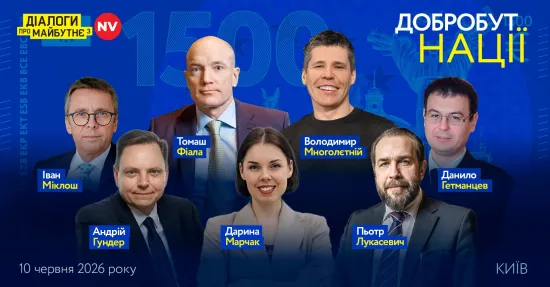
MP Danylo Getmantsev has also repeatedly highlighted the scale of the problem, publicly criticising the inaction of the Economic Security Bureau of Ukraine (ESBU) and the tax authorities.
“I am tired of demanding that the ESBU and the tax authorities open their eyes to these obvious violations. The black market for footwear and clothing already far exceeds the legitimate sector.”
Impunity as a business model
The problem of counterfeiting has long gone beyond the scope of protecting the rights of well-known brands. We are talking about billions of hryvnias in unpaid taxes, unfair competition and the effectiveness of state institutions. And as long as the sale of counterfeit goods remains a virtually risk-free business, the black market will grow faster than the number of criminal proceedings against its organisers.