The AMCU has found no evidence of a monopoly or collusion in the fuel market following the rise in prices

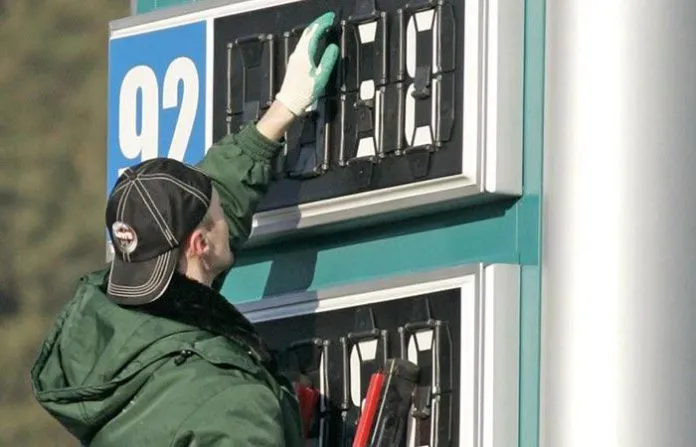
This was reported during the live broadcast of the Verkhovna Rada’s plenary session.
According to data from the Energy Customs Service, fuel import prices began to rise sharply in early March.
“Foreign producers and traders reacted very quickly to the crisis in the Middle East and immediately raised their selling prices. Consequently, the arguments put forward by domestic petrol stations regarding the rapid rise in restocking costs have been somewhat confirmed,” commented Kyrylenko.
According to Platts statistics, between 26 February and 31 March, diesel prices rose by 86% and import prices by 58%, whilst prices at petrol stations, according to Kyrylenko, rose by only 39%.
“At the same time, average prices at petrol stations in Ukraine rose more slowly: petrol by 16% and diesel by 39%,” said Kyrylenko.
He added that the AMCU is continuing its investigation into petrol stations.
“The Committee has already observed that most petrol station chains have operated and continue to operate differently, which does not provide grounds for premature conclusions regarding their engagement in anti-competitive concerted practices. The market is free, not monopolised, with around 1,200 operators of various sizes operating on it, so it is inappropriate to speak of abuse of a monopoly at this stage,” concluded Kyrylenko.
As a reminder, on 21 April it was reported that petrol stations had begun to lower fuel prices following the global fall in the cost of petroleum products.
Follow us on Telegram