1 billion dollars a day - the cost of war with Iran for the US

The American air campaign against Iran appears to be tactically and operationally effective. The US has struck 1,700 targets in Iran and, according to the data provided, has suffered six fatalities. It is also claimed that the Iranian leadership has been disorganised and dozens of senior officials have been killed, including Supreme Leader Ayatollah Ali Khamenei. This was reported by The Public with reference to The Atlantic.
However, the high rate of consumption of expensive and scarce ammunition used by the US, Israel and their allies in the Persian Gulf countries could become a problem. Such losses are difficult to quickly replenish, and Russia and China are monitoring the course of the war, assessing what reserves the West has left in reserve. Among the most sought-after on the battlefield are interceptors, including Patriot and Terminal High Altitude Area Defence (THAAD), as well as ground attack weapons, including Tomahawk.
The situation with interceptors is particularly tense. During the 12 days of war last summer, the US spent about a quarter of its THAAD missile stockpile to protect Israel from Iranian strikes. The cost of a single THAAD missile is estimated at over $12.8 million, and annual production is reported to be 96 units. The Donald Trump administration has allocated funding to increase production to 400 per year, but this could take up to seven years.
In 2023, the US produced approximately 370 Patriot missiles per year, and demand rose sharply amid Russia's full-scale invasion of Ukraine. According to estimates, approximately 500 missiles were produced in 2024, and about 650 per year are expected by 2027. The cost of one missile is estimated at approximately $5 million. According to last year's US estimates, only 25 per cent of the Patriot stockpile was available to meet the Pentagon's planning needs.
For comparison, estimates for Iranian ammunition are provided. According to Israeli sources, at the start of the current conflict, Iran had approximately 2,500 ballistic missiles and could produce hundreds per month, with the goal of reaching a rate of approximately 1,000. The New York Times writes about production at a rate of dozens per month. One expert estimated the cost of an Iranian ballistic missile at $1-2 million. In some cases, two or three Patriots may be needed to intercept a single missile.
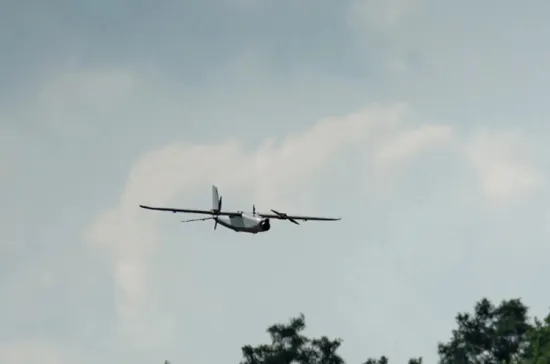
Together with Russia, Iran produced Shahed-136 drones at a rate of about 5,000-6,000 per month, mainly for use by Russia in Ukraine, at a price of up to $50,000 per unit. Such drones are used to saturate air defence systems and deplete interceptor stocks. Examples of the intensity of the attacks are also given, in particular during the 12 days of war last year, Iran, according to the text, fired 550 ballistic missiles and launched more than 1,000 drones at Israel. In the first 48 hours of the current conflict, Iran sent 186 missiles and 812 drones to the United Arab Emirates and attacked nine other countries in the region.
The US and Israel are prioritising the destruction of launchers to reduce the number of launches. According to The Times, Israeli officials estimate that they have destroyed 50 per cent of Iran's missile launchers. At the same time, it is noted that this does not eliminate the total number of missiles remaining in Iran's stockpiles.
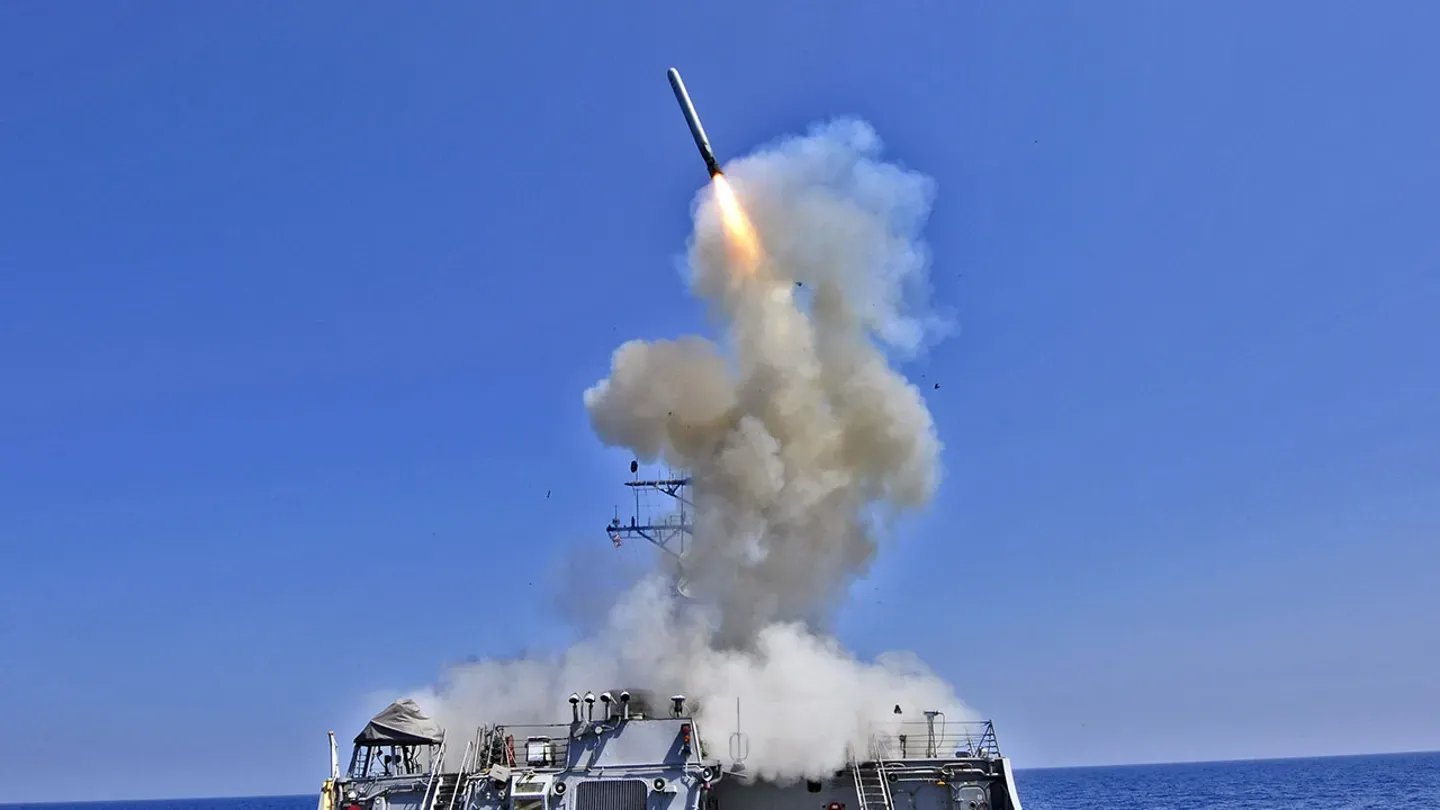
Traditional long-range high-precision US munitions, such as the Tomahawk, cost approximately $2.2 million per unit and are produced in relatively small quantities. One of the cheaper options is the Low-Cost Uncrewed Combat Attack System (LUCAS), which costs around $35,000 to $40,000 per drone, but production is only just gaining momentum.
Estimates of the duration of the operation in the publication are linked to the risk of rapid depletion of interceptor stocks. Donald Trump spoke of a possible duration of hostilities of a month or more, while Bloomberg noted that US interceptors could run out within a few days. Separately, another source claims that Qatar could exhaust its stockpile within four days. It is also noted that allies in the Persian Gulf countries are seeking additional support from the US.
US strikes on Iran could cost American taxpayers more than $1 billion a day, according to rough estimates, and the amount could potentially rise to $100 billion depending on the duration. Among the benchmarks are an estimate of the cost of maintaining two aircraft carriers in the region at $13 million per day, as well as figures on the cost of various types of weapons and equipment, including the approximate cost of a Tomahawk at $2 million per missile, THAAD at $12.8 million per interceptor, and the estimated cost of a B-2 flight hour at $130,000 to $150,000.
Penn Wharton Budget Model Director Kent Smetter estimated the total cost to taxpayers at a minimum of $40 billion, with options ranging from $65 billion to $95 billion depending on the duration of the conflict, taking into account direct costs and restocking.