Britain is drawing up an updated plan to prepare the country for war

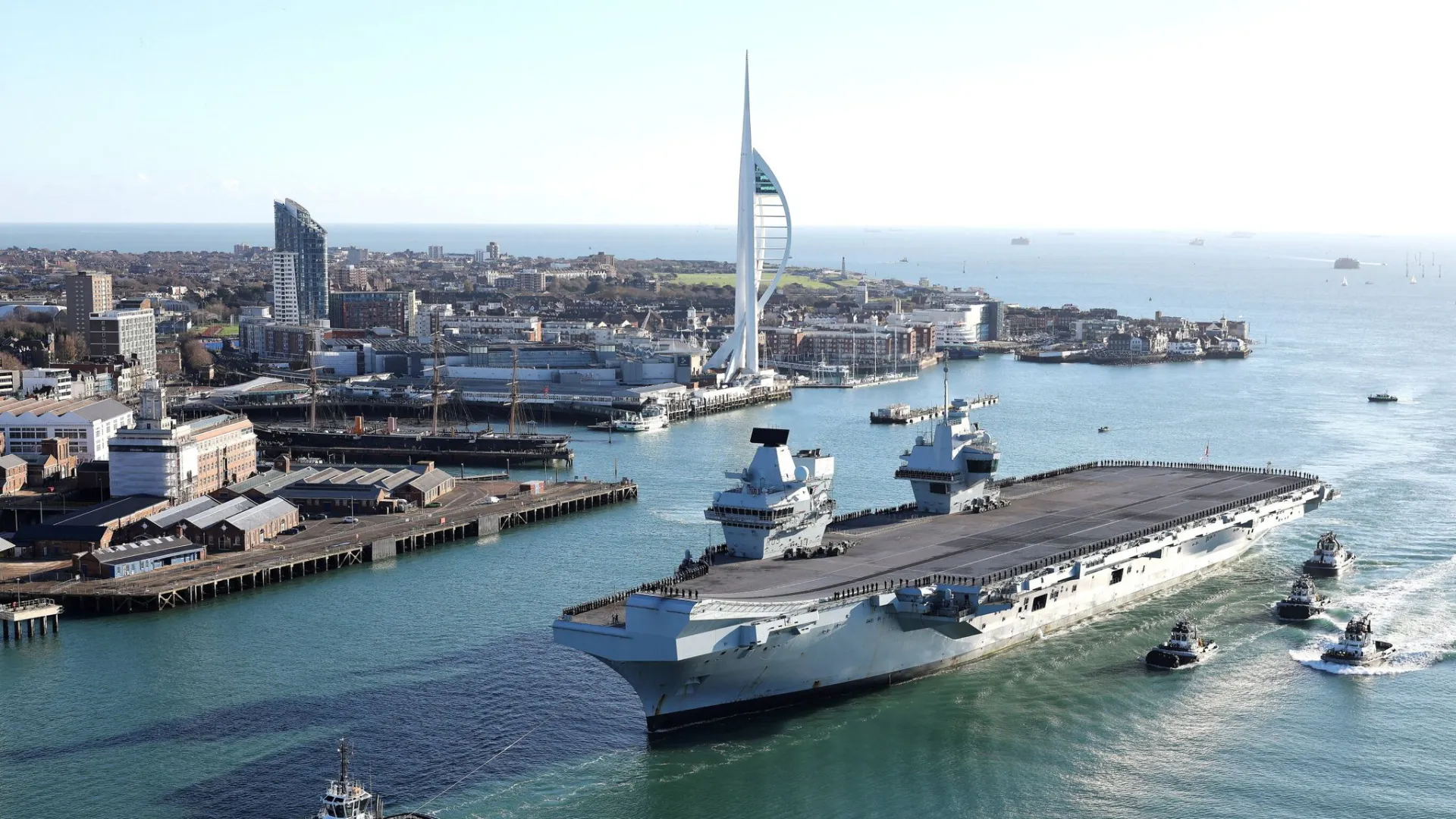
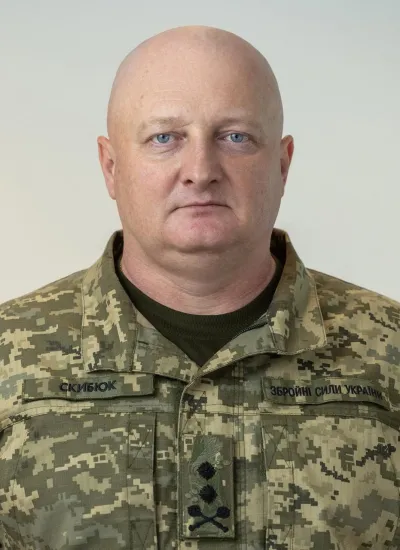
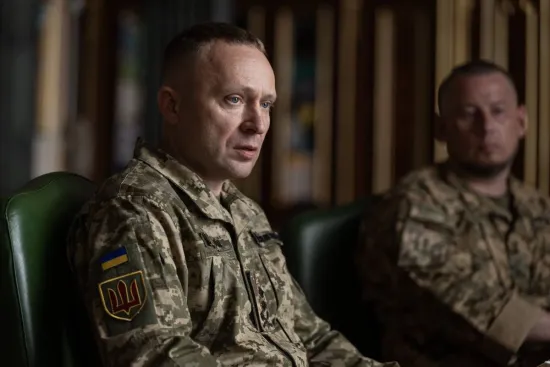
The UK is developing a new version of the government’s plan to prepare the country for war, which will cover all key sectors, including the armed forces, the police, hospitals and industry. This was stated by Chief of the Defence Staff Air Marshal Richard Knighton in an interview with Sky News.
According to him, the updated version of the document, known as the Government War Book, envisages a different approach to societal resilience, taking into account modern conditions, infrastructure and lessons from the Cold War era.
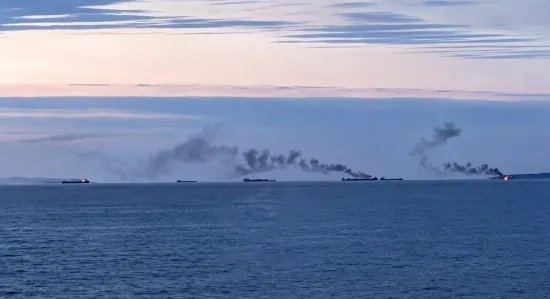
Knighton also noted that the UK’s declaration of its readiness to seize vessels belonging to Russia’s so-called ‘shadow fleet’ is already having an effect. He said that Russia has begun to escort such vessels or alter their routes to avoid British waters. At the same time, individual vessels are still being spotted near the coast.
When asked about the possibility of conducting vessel seizure operations, he replied that British forces are ready for such actions.
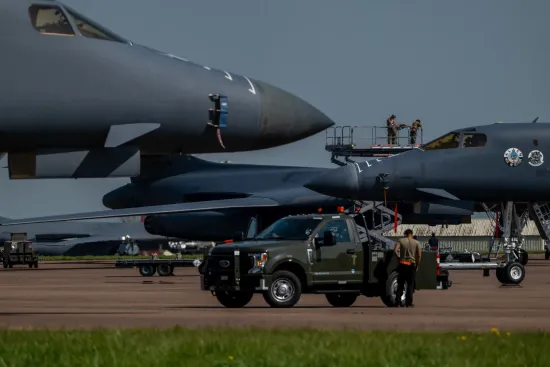
A particular challenge for the military leadership remains the need to restore the armed forces to full readiness following a prolonged period of underfunding. Prime Minister Keir Starmer and Defence Secretary John Healey have announced their intention to increase defence spending to 3.5 per cent of GDP by 2035.
At the same time, the government has yet to publish a ten-year defence investment plan, which is intended to outline arms procurement and the development of the Ministry of Defence’s capabilities. The document was due to be presented last autumn, but the timing of its publication remains uncertain.
The delay is affecting the defence industry, which is awaiting new funding. According to Knighton, the ministry is keen to secure a properly funded plan, even if its preparation takes longer.
The new government plan is being drawn up by the Cabinet of Ministers in collaboration with other state bodies. It involves reviving a system that has existed since the First World War and included detailed instructions on the mobilisation of the army, the civilian population and industry.
In particular, earlier versions of the plan provided for the closure of schools, the preparation of hospitals, the distribution of food supplies and even the preservation of national treasures in the event of a crisis. Following the end of the Cold War, this system was gradually phased out and had effectively ceased to exist by the early 2000s.
Knighton confirmed that the UK is effectively returning to an updated version of such a plan, which will combine military and civilian components.
Follow us on Telegram