The Czech "shell initiative" delivered approximately 4.4 million large-calibre ammunition rounds to Ukraine.

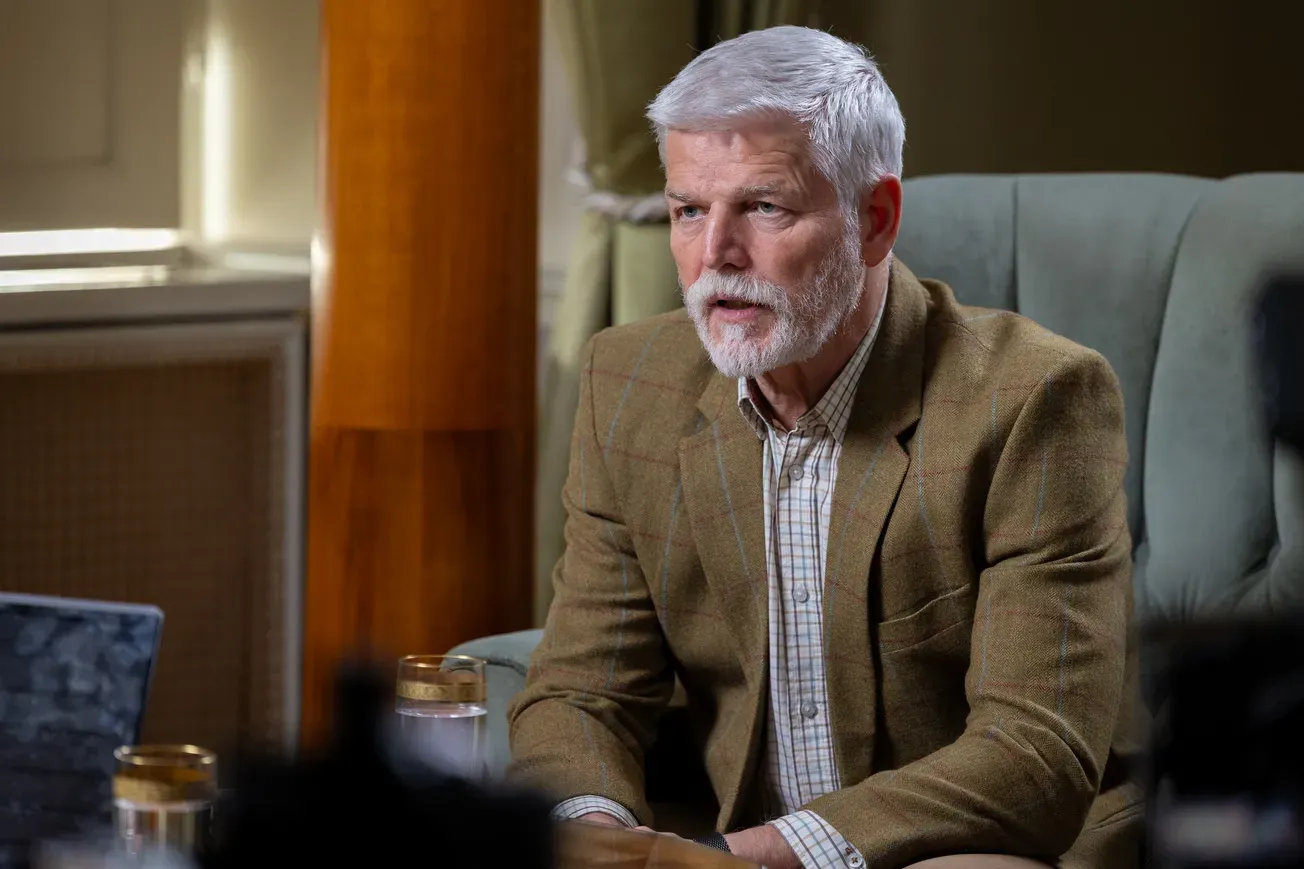
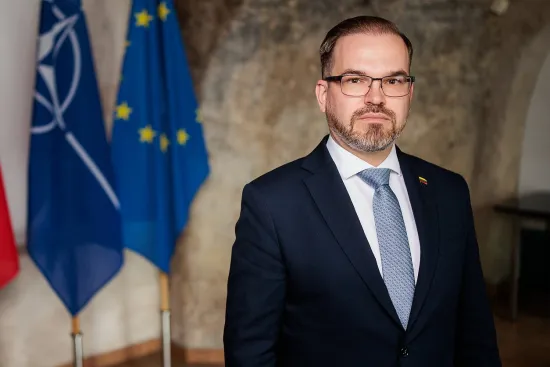
In an interview with Odkryto.cz, Pavel noted that there had been a lot of criticism regarding the transparency of procurement, but so far there had been no evidence to support the allegations. According to him, the Czech Republic had built a mechanism with maximum transparency from the outset and invited the largest donors to delegate their own auditors, who worked alongside Czech experts and monitored the use of funds.
The president acknowledged that there had been attempts at corruption, as large sums of money were involved. At the same time, he stressed that the initiative had not become a source of systemic abuse, and that possible suspicions of inflated margins by individual companies should be investigated without discrediting the entire programme.
Pavel called the Czech "shell initiative" critically important for Ukraine's defence. According to him, at one point, this initiative provided more than 50% of Ukraine's entire large-calibre ammunition needs. In total, according to the president, the programme has delivered about 4.4 million large-calibre ammunition rounds to Ukraine since its inception, of which almost 2 million were delivered last year. Pavel stressed that without a predictable flow of ammunition, it is impossible to plan defence effectively.
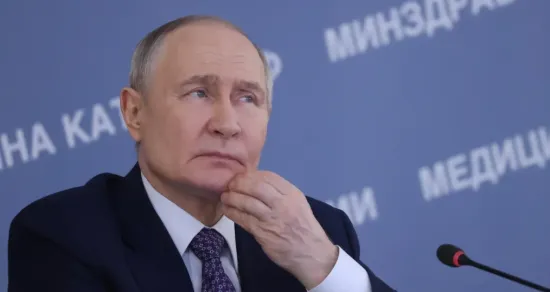
Commenting on the peace talks, the Czech president noted that a quick agreement between Ukraine, Europe, the United States and Russia would be a naive expectation. In his opinion, the rapprochement between Ukraine, Europe and the United States is in itself a significant result, but the key issue remains the conditions that the warring party, i.e. Russia, can accept. Pavel stressed that Moscow is currently not showing any willingness to compromise and is insisting on maximalist goals, particularly with regard to Ukraine's territory and future security. Therefore, he said, further political, financial and economic pressure on Russia and parallel support for Ukraine are needed so that it does not find itself in a weaker position at the start of negotiations.
Separately, Pavel stated that sanctions against Russia make sense and are already affecting its capabilities, although their effect is weakened by circumvention through third countries, in particular China and, to some extent, India. He also supported the idea of using frozen Russian assets as collateral and a tool of pressure, and in the long term as a source of Ukraine's recovery if Russia, as the aggressor, fails to fulfil its reparations obligations.
The Czech president also spoke in favour of a gradual increase in defence spending in line with NATO allies' calculations and stressed that this is an investment in security, not a choice between defence and other areas. He warned against cutting the budgets of the special services, calling it risky against the backdrop of an escalating security environment and real hybrid threats, including disinformation and sabotage.
Regarding the possible participation of Czech troops in a future mission in Ukraine, Pavel noted that there is no specific plan at this time, only very preliminary planning. Any discussion, he said, must begin with a mandate, rules of engagement and security guarantees for the contingent.