Chernobyl: a global disaster that people tried to ‘hush up’

Archives That Won’t Burn: Evidence from the Central State Archives of Higher Authorities and Administration of Ukraine (CSAHAU) and the Ukrainian Institute of National Remembrance (UINR)
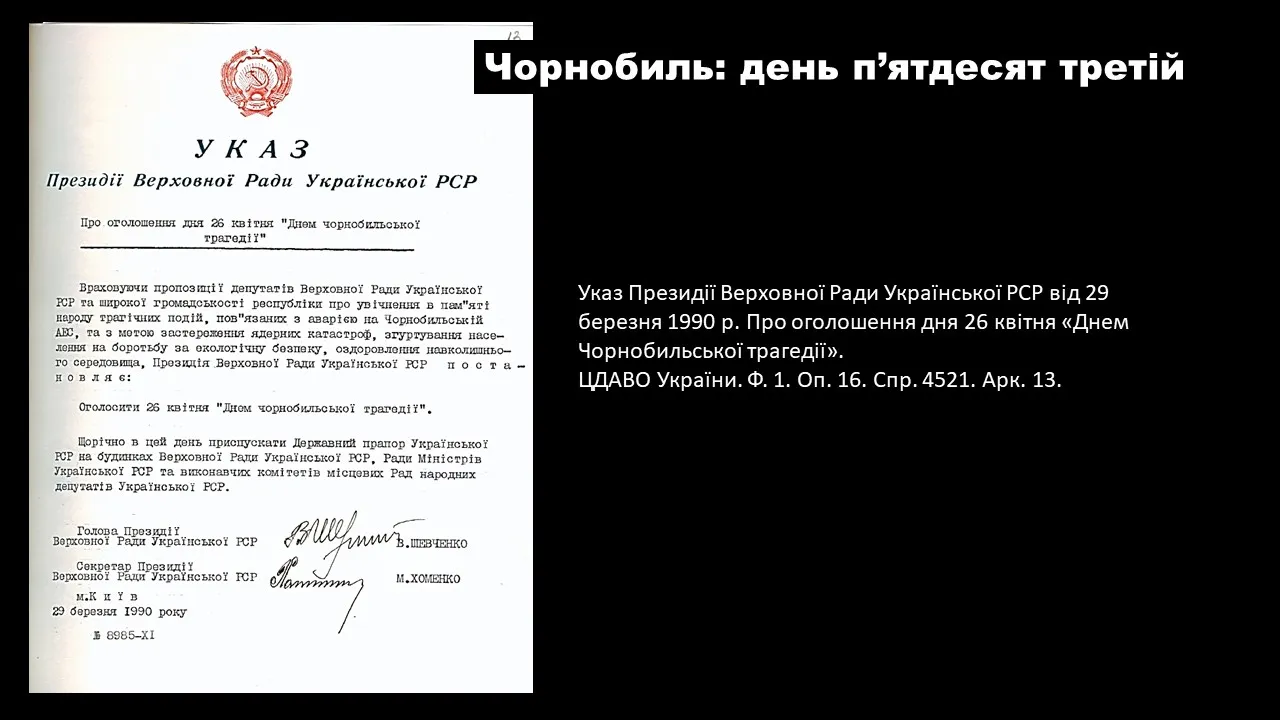
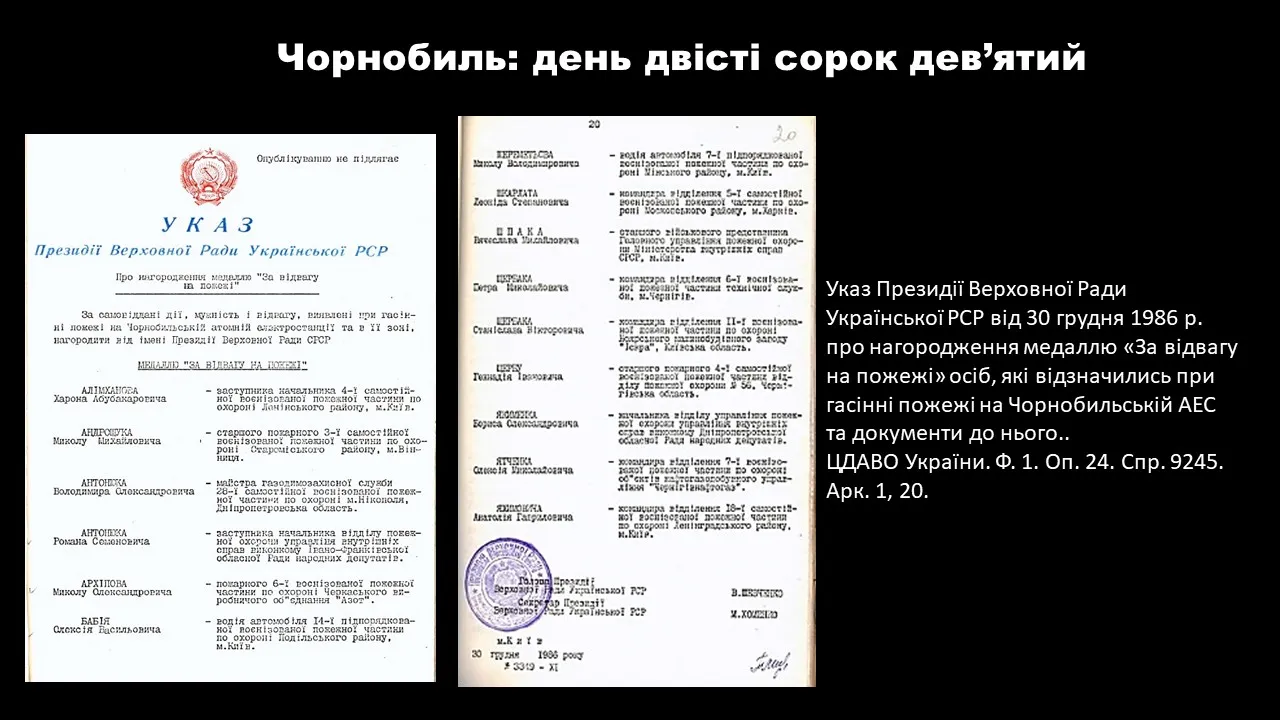
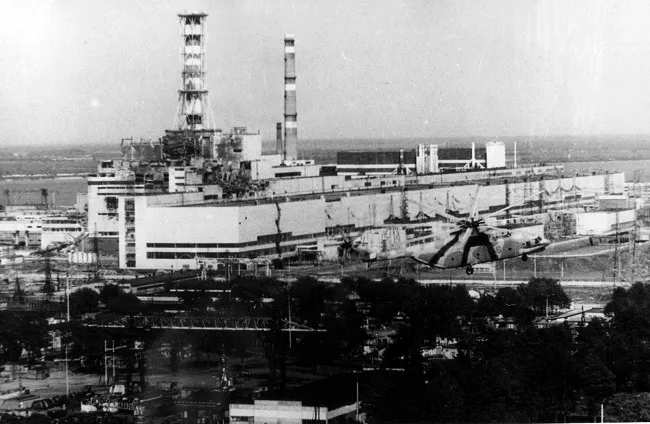
Thanks to the painstaking work of the Central State Archives of the Higher Authorities and Administration of Ukraine (CSAHAA) and the Ukrainian Institute of National Remembrance (UINR), we now have access to files that Soviet leaders would have preferred to burn. The documents confirm that the authorities were aware of the station’s critical condition even before the explosion. The KGB reported breaches of technical standards and theft during construction as early as 1979, but the response was always the same — to classify the information.
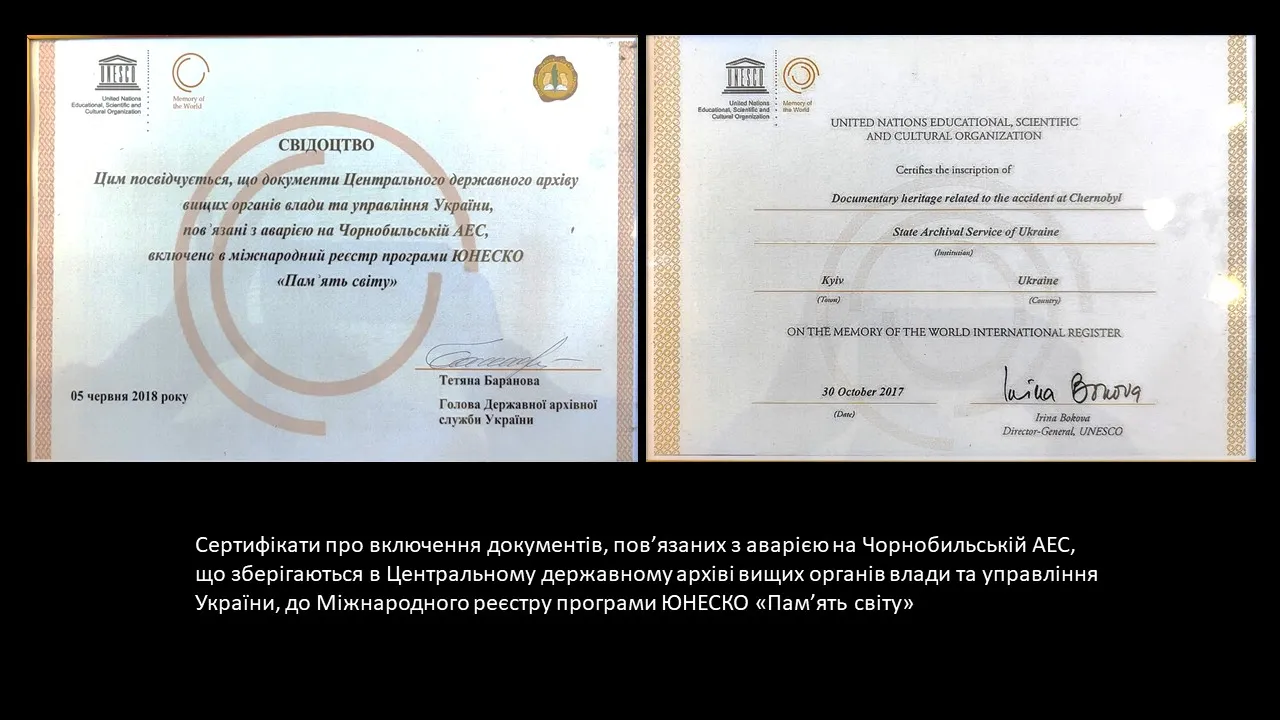
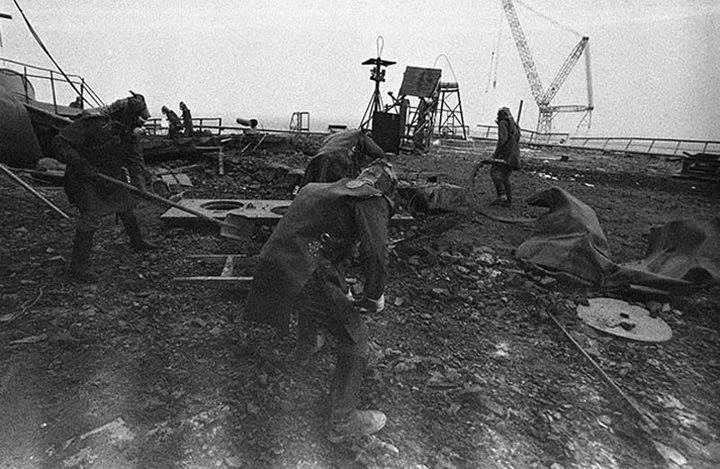
Today, these unique documents and photographs, presented in our report, are protected by UNESCO. These are not just papers — they are evidence of a crime against humanity, recorded on film and paper.
The end of a centuries-old world: More than just Pripyat
We are used to associating Chernobyl with the abandoned high-rises of Pripyat, but the disaster dealt a far deeper blow. It put an end to the unique cultural landscape of the Chernobyl Polissya, which had been shaped over centuries. For a long time, various ethnic groups — Ukrainians, Jews and Poles — coexisted in this area. A distinctive culture flourished here, known in particular for the Chernobyl tzadikim — leaders of the Hasidic movement, whose dynasties and spiritual centres were an integral part of the region.
Radiation wiped out this multi-ethnic world overnight. Traditions, crafts and the living memory of generations who lived in small Polissya villages vanished. Chernobyl became a graveyard not only for Soviet-style ‘new towns’, but also for a profound historical heritage that cannot be restored.
A crime against life: The parade and the falsification of diagnoses
Documents from the Central State Archives of Ukraine confirm the cynicism of the leadership: despite the fact that radiation levels in Kyiv were off the charts, people were taken out onto Khreshchatyk on 1 May 1986. The authorities feared panic and accountability more than the deaths of their own citizens. Whilst children marched in parade columns, the secret services hunted down ‘gossips’ and intercepted correspondence to prevent information from reaching abroad.
Even more terrifying was the medical genocide. The Ministry of Health of the Ukrainian SSR, acting on Moscow’s orders, forced doctors to falsify medical records. Instead of ‘radiation sickness’, liquidators and evacuees were diagnosed with ‘vegetative-vascular dystonia’.
Culture shock and HBO’s ‘Chernobyl’
An important milestone in re-evaluating the events was the American HBO series ‘Chernobyl’ (2019). It recreated with incredible accuracy the atmosphere of Soviet absurdity, where truth was the scarcest resource. The series prompted millions of people around the world to speak out once again about the heroism of the liquidators who saved Europe, and about the criminal system that betrayed them. This series has become a vital tool for preserving memory, vividly demonstrating the consequences of state negligence.
Why is this important today?
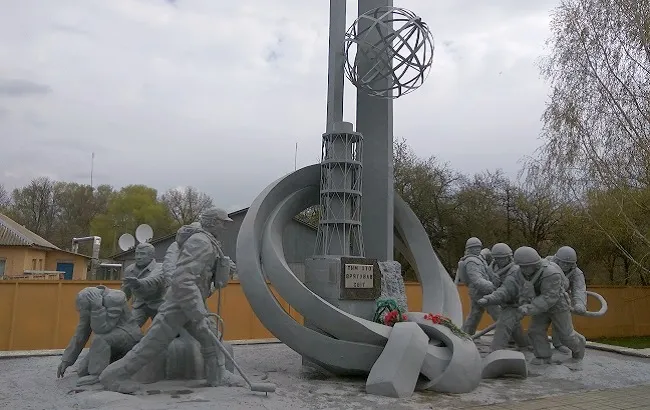
The Chernobyl disaster became a catalyst for the collapse of the USSR. It was the environmental protests, supported by the Ukrainian diaspora and activists, that grew into a national liberation movement. Today, as we honour the 600,000 liquidators, we must remember: the Chernobyl Exclusion Zone is not merely ‘dead land’, but a warning. Thanks to the work of historians, the truth about this crime now belongs to all of humanity, and no one will ever again be able to classify it as ‘secret’.
Follow us on Telegram