The Central Election Commission has declared online and postal voting unacceptable for post-war elections

Katerina Melnychenko
Katerina Melnychenko Deputy Editor-in-Chief
The Central Election Commission has declared online and postal voting unacceptable for post-war elections
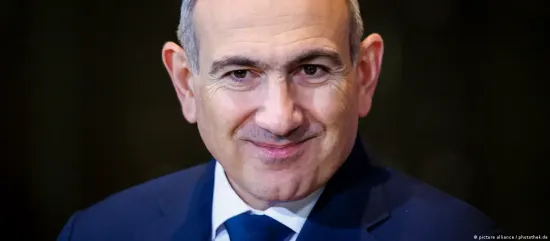
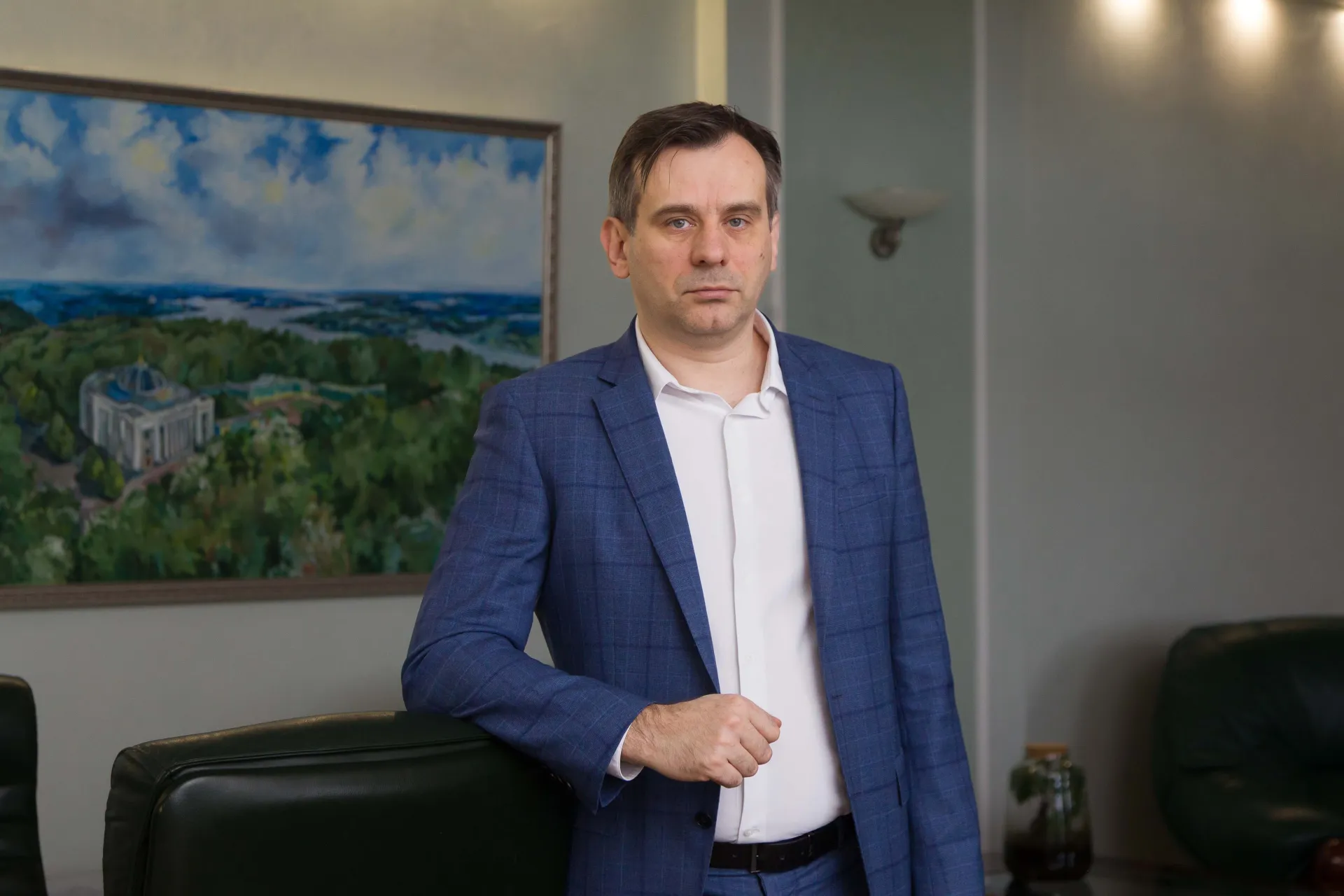
Head of the Central Election Commission Oleg Didenko Photo by the Central Election Commission
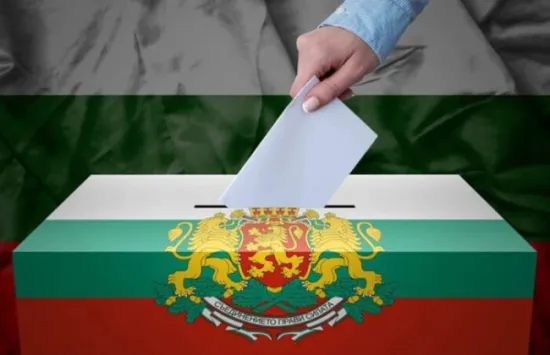
Electronic and postal voting formats pose serious security risks and do not guarantee voting secrecy, especially after the war, according to the Central Election Commission.

The Central Election Commission analysed the possibility of introducing online and postal voting for Ukrainians abroad, but concluded that such formats are too risky and dangerous for Ukraine in the context of post-war elections. This was announced by CEC Chairman Oleg Didenko in an interview with LB.ua.

According to him, electronic and postal voting are the most vulnerable in terms of cybersecurity and could become a tool for discrediting the election results. A separate problem remains the inability to guarantee the secrecy of the vote, which is a mandatory requirement of electoral law.

Didenko stressed that, unlike polling stations, internet or postal voting does not provide a controlled environment. In such conditions, there are no observers, separate booths or guarantees against pressure or coercion during voting, which creates additional threats to the legitimacy of the process.

At the same time, the problem of participation in elections by millions of citizens abroad, which the CEC calls the most difficult organisational challenge, is proposed to be solved by opening additional polling stations outside Ukraine's diplomatic missions.

Earlier, Volodymyr Zelenskyy again publicly raised the issue of online voting, pointing out that it could simplify participation in the elections for the military and Ukrainians abroad. At the same time, the CEC emphasises that there are currently no legal mechanisms in place for such a format.
Share tittle
Politics
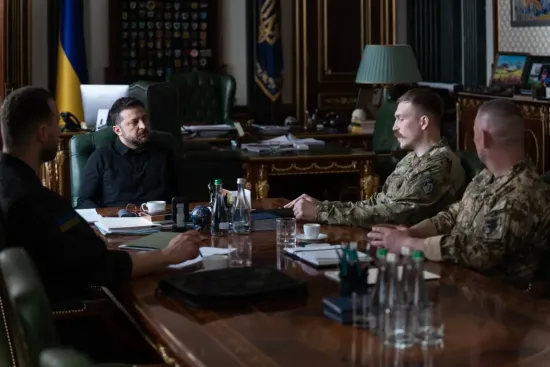
Zelenskyy has appointed a new commander-in-chief: Drapatiy is to replace Syrskyi
Politics

Zelenskyy has appointed a new commander-in-chief: Drapatiy is to replace Syrskyi

President Volodymyr Zelenskyy has appointed Mykhailo Drapaty as the new Commander-in-Chief of the Armed Forces of Ukraine. He will replace Oleksandr Syrskyi once the personnel decisions have been formally finalised.

21.07.2026
The Hungarian Public Prosecutor’s Office carried out searches at the offices of Orbán’s Fidesz party
Politics
  • Important

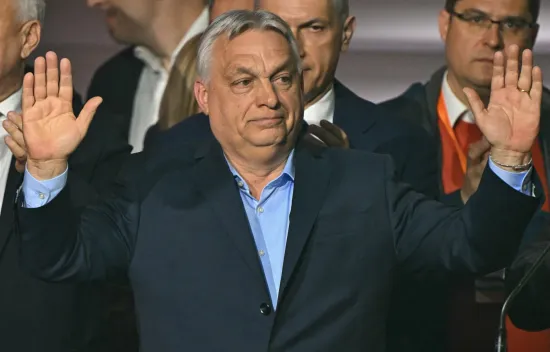
The Hungarian Public Prosecutor’s Office carried out searches at the offices of Orbán’s Fidesz party

The Hungarian party Fidesz has stated that the public prosecutor’s office carried out searches at the office where its servers are housed. The party has accused the government of attempting to obstruct its activities.

21.07.2026
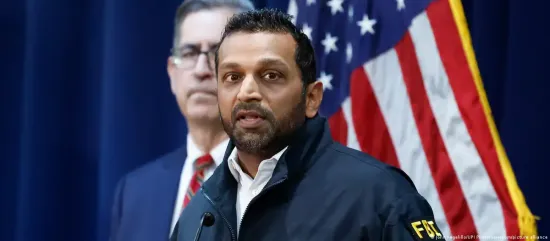
The Director of the FBI may visit Russia for the first time in over ten years
Politics

The Director of the FBI may visit Russia for the first time in over ten years

Kesh Patel, Director of the US Federal Bureau of Investigation, may visit Russia this autumn. According to Politico, the trip is currently being planned, and the details are still subject to change.

21.07.2026
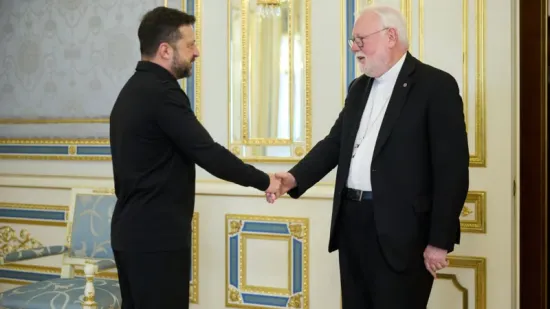
The Vatican is prepared to host a meeting between the leaders of Ukraine and Russia
Politics

The Vatican is prepared to host a meeting between the leaders of Ukraine and Russia

The Vatican is prepared to host a summit that could help bring an end to Russia’s war against Ukraine. The date of the talks and the list of participants have not yet been agreed.

21.07.2026
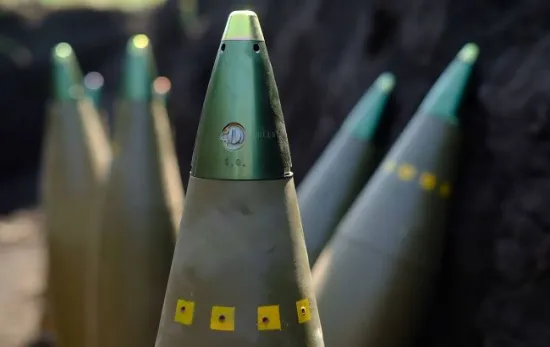
NATO countries are facing a shortage of cotton for gunpowder production – WSJ
Politics

NATO countries are facing a shortage of cotton for gunpowder production – WSJ

NATO countries are facing an acute shortage of cotton, which is needed to manufacture explosives for artillery munitions.

21.07.2026
Elections