Fedorov explained how they plan to prevent military personnel from deserting

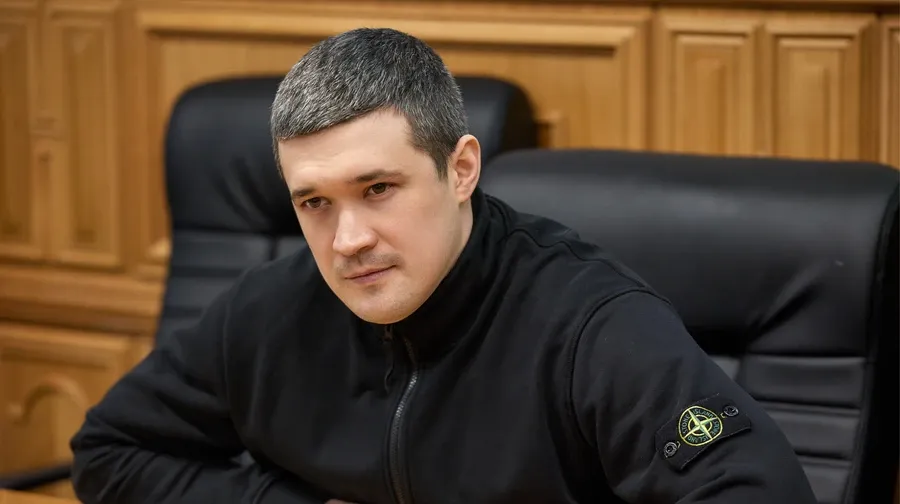
Fedorov made these remarks in an interview with TSN.
Mykhailo Fedorov announced that, from late autumn 2026, the process of partially demobilising military personnel who have been in the army since 2022 or earlier is set to begin.
According to him, the state cannot demobilise everyone who has been fighting since 2022 all at once, as these very soldiers currently form the backbone of the army.
At the same time, the minister emphasised that they must not be “hostages to the system”, so the first stage of the transformation should give them “hope, money and the prospect of discharge”.
How this relates to the Special Forces
Fedorov stated that long-serving military personnel need to be provided with a clear mechanism for ending their service.
The aim is to create an alternative for such servicemen to leaving their unit without authorisation.
Separately, the Ministry of Defence has already launched a mechanism for returning from voluntary service via the “Army+” app. According to Fedorov, a serviceman can submit a report, choose a unit and receive support throughout the stages of his return.
What criteria will be used for discharge?
The mechanism for discharge from service will be based on two main criteria.
The first is the total length of service in the army, starting from 2014.
The second is the number of days spent in combat.
According to Fedorov, servicemen who have been serving since 2022 and have a high number of days in combat will be eligible for discharge under the presidential decree as early as the end of 2026.
Who will coordinate the process
The discharge process will be coordinated by the General Staff of the Armed Forces of Ukraine.
It must take into account data on the length of service and combat days of each individual serviceman.
The Ministry of Defence also plans to create a special calculator, which each serviceman will be able to use to work out the approximate month of their discharge.
Why the demobilisation will be gradual
Fedorov explained that the number of servicemen to be discharged each month will depend on the situation at the front.
Possible mobilisation actions by Russia will also be taken into account.
The minister emphasised that the state cannot drastically reduce the number of experienced soldiers on the front line, as this could pose risks to national defence.
What will happen to contracts
Fedorov stated that the presidential decree on demobilisation will take precedence over signed contracts.
According to him, if a soldier who has been serving since 2022 signs a 24-month contract but is subject to discharge under the presidential decree in November or December, they must be discharged despite the existing contract.
What deferral period will apply after discharge
Discharged servicemen will be granted a six-month deferral from re-conscription.
Each day of direct participation in combat operations will add one further day to this period.
Follow us on Telegram