In one in four regions of Russia, petrol sales have been restricted due to the fuel crisis

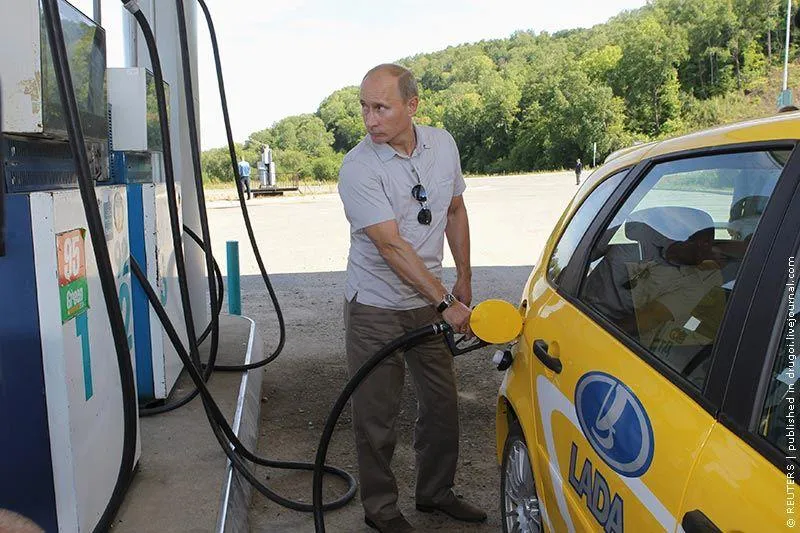
The fuel crisis in Russia is worsening following attacks on oil refineries. Restrictions on the sale of petrol and diesel have now been officially introduced in 24 regions of the country, according to TMT.
The fuel shortage has affected the Bryansk, Kursk, Belgorod and Voronezh regions, which border Ukraine. Restrictions are also in place in the Ivanovo, Vladimir, Lipetsk, Volgograd, Penza, Saratov, Samara, Nizhny Novgorod and Vologda regions, as well as in Mordovia.
In Siberia, limits have been introduced in the Khanty-Mansi Autonomous Okrug, where 40 per cent of Russia’s oil is produced, the Yamalo-Nenets Autonomous Okrug, the Tyumen, Kurgan, Omsk, Novosibirsk, Kemerovo and Irkutsk regions.
Restrictions have also been introduced in North Ossetia and Adygea. In the annexed Crimea and Sevastopol, the sale of fuel has been temporarily suspended, whilst in the so-called ‘LPR’, the sale of more than 20 litres to a single customer has been banned.
Regional authorities attribute the measures to increased demand, logistical difficulties, rising exchange prices and attempts by certain market players to capitalise on the panic.
On 23 June, Deputy Prime Minister Alexander Novak, during a meeting with the President of the Russian Federation, acknowledged that the situation on the fuel market remains difficult, albeit under control.
According to him, to stabilise the situation, the authorities have drawn on reserves that had not previously been used. In addition, refinery capacity utilisation has been maximised, maintenance periods have been shortened, and scheduled maintenance has been postponed to a later date.
In addition, the Russian government has already banned the export of petrol and aviation fuel and is considering a complete ban on diesel exports. At the same time, the authorities are preparing to increase petrol purchases from abroad.
Russia is currently importing fuel from Belarus, but the available volumes are insufficient.
According to Reuters, petrol production in Russia currently covers only around 80 per cent of domestic demand. Following strikes on oil refineries in Moscow, Nizhnekamsk, Tyumen and Volgograd, as well as attacks on 16 refineries in May, petrol output fell by 25 per cent to 85,000 tonnes.
At the same time, daily petrol consumption in Russia reaches 110,000 tonnes during the summer months.
Analysts at Energy Intelligence note that the strikes on the Russian energy sector have caused massive damage, and the country is approaching the worst fuel crisis in its history.