India is preparing to flood the market with cheap copies of Ozempic
This is reported in a Bloomberg article.
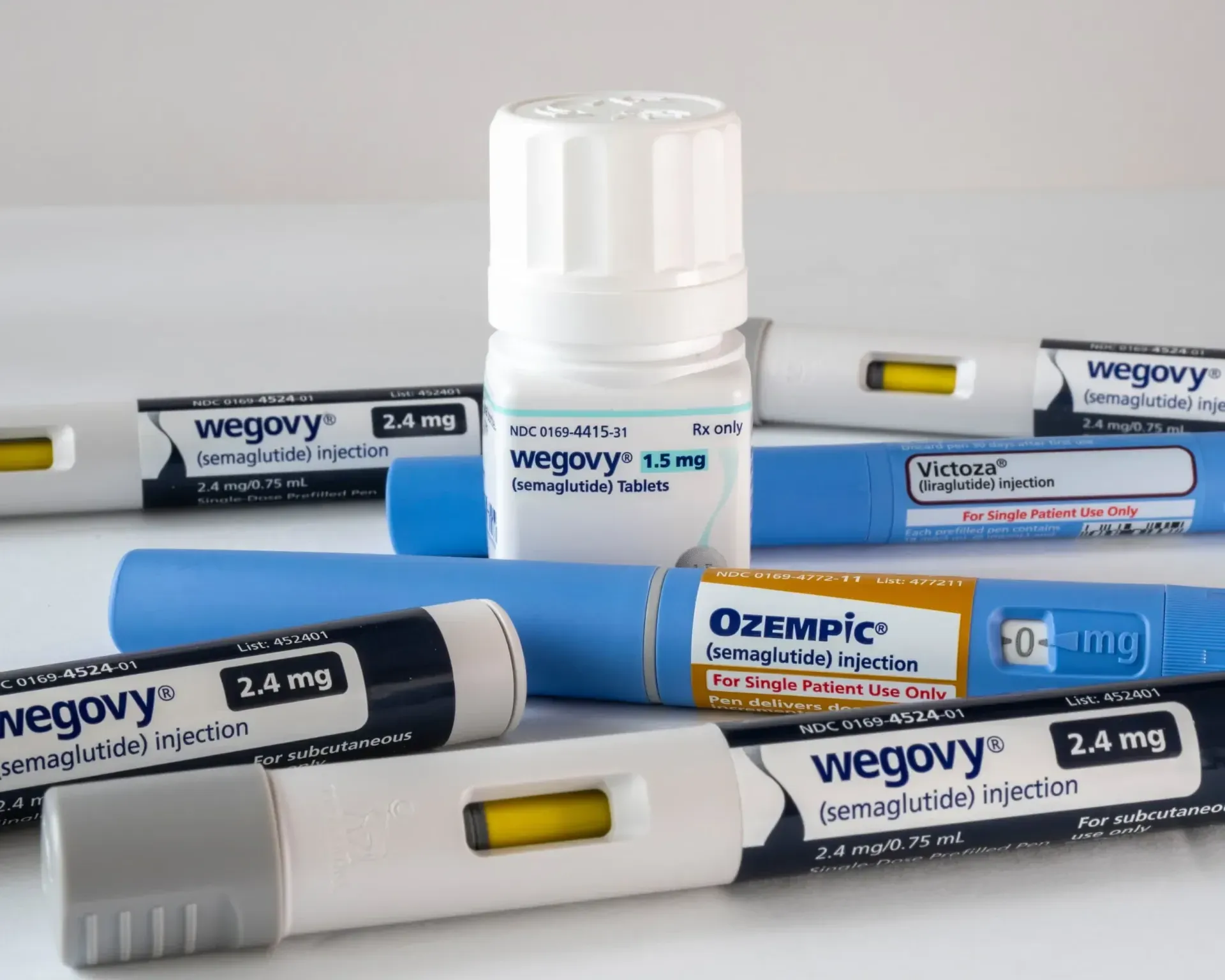
In India, following the expiry of the semaglutide patent, a new phase is beginning in the weight-loss drug market. At least a dozen major pharmaceutical companies are preparing to launch copies of Novo Nordisk’s drugs, which is expected to trigger a sharp drop in prices.
Natco Pharma Ltd. has announced that it is ready to launch injectable semaglutide – the active ingredient in Ozempic and Wegovy – on the very first day the market opens to generics, with a starting price of 1,290 rupees, or $14, per month. The company plans to launch the pen device by April with an estimated price of around 4,500 rupees per month.
By comparison, the pen for Wegovy from Novo Nordisk in India starts at approximately 10,480 rupees, or $113, per month. In the US, the self-pay price is around $199. Other manufacturers, according to Bloomberg sources, are likely to set a starting price in the range of 3,000 to 5,000 rupees per month.
The article pays particular attention to the fact that Canada was the first country where semaglutide lost patent protection back in January. However, the Canadian regulator has not yet approved any generics. Because of this, India could become the first major market to be effectively flooded with copies of this drug.
Bloomberg, having analysed corporate reports and transcripts of investor calls, found that at least 12 major manufacturers, including Sun Pharmaceutical Industries Ltd., Dr. Reddy’s Laboratories Ltd. and Lupin Ltd., plan to launch generic semaglutide in the near future.
However, the actual scale of competition could be even greater. According to Shital Sapale, a researcher at Pharmarack, around 42 manufacturers could launch products under more than 50 brand names this year.
Analysts at Jefferies have described India as a “key case” for the future loss of exclusivity for this molecule. The brokerage firm estimates the Indian market for weight-loss drugs at approximately $500 million and believes that, with appropriate pricing, distribution and government incentives, it could grow to $1 billion.
Another key point is that generic manufacturers are testing various delivery formats for the drug. These include single-use pre-filled syringes, single-use pen injectors, vials and reusable pen devices with adjustable dosing. The article notes that this should give patients greater flexibility, reduce the cost of treatment and make it easier to use such anti-obesity drugs.
Currently, Novo Nordisk’s Ozempic and Wegovy, as well as Eli Lilly & Co.’s Mounjaro, are supplied in India in the form of a pre-filled pen device for four injections. This is why, as the article suggests, competition in the market will centre not only on price but also on the convenience of the device itself.
According to Shital Sapale, once a patient gets used to a particular delivery system, they usually do not switch. This is why, apart from the identical active ingredient, the key differentiators in the market are the company’s reputation in this therapeutic category and the drug delivery system.
Indian pharmaceutical companies have already begun forming partnerships ahead of market entry. Zydus Lifesciences Ltd. announced a licensing partnership with Lupin and Torrent Pharma Ltd. this week, whilst Eris Lifesciences Ltd. has agreed a marketing deal with Natco Pharma.
The article also notes that generic manufacturers will be more active in smaller towns where the originator companies do not yet have a significant presence. Against this backdrop, the expert says, there will be “a lot of noise” in the market as companies fiercely compete for market share.
As a reminder, weight-loss injections can cost around $3 a month