Iran copies Russian tactics of striking infrastructure

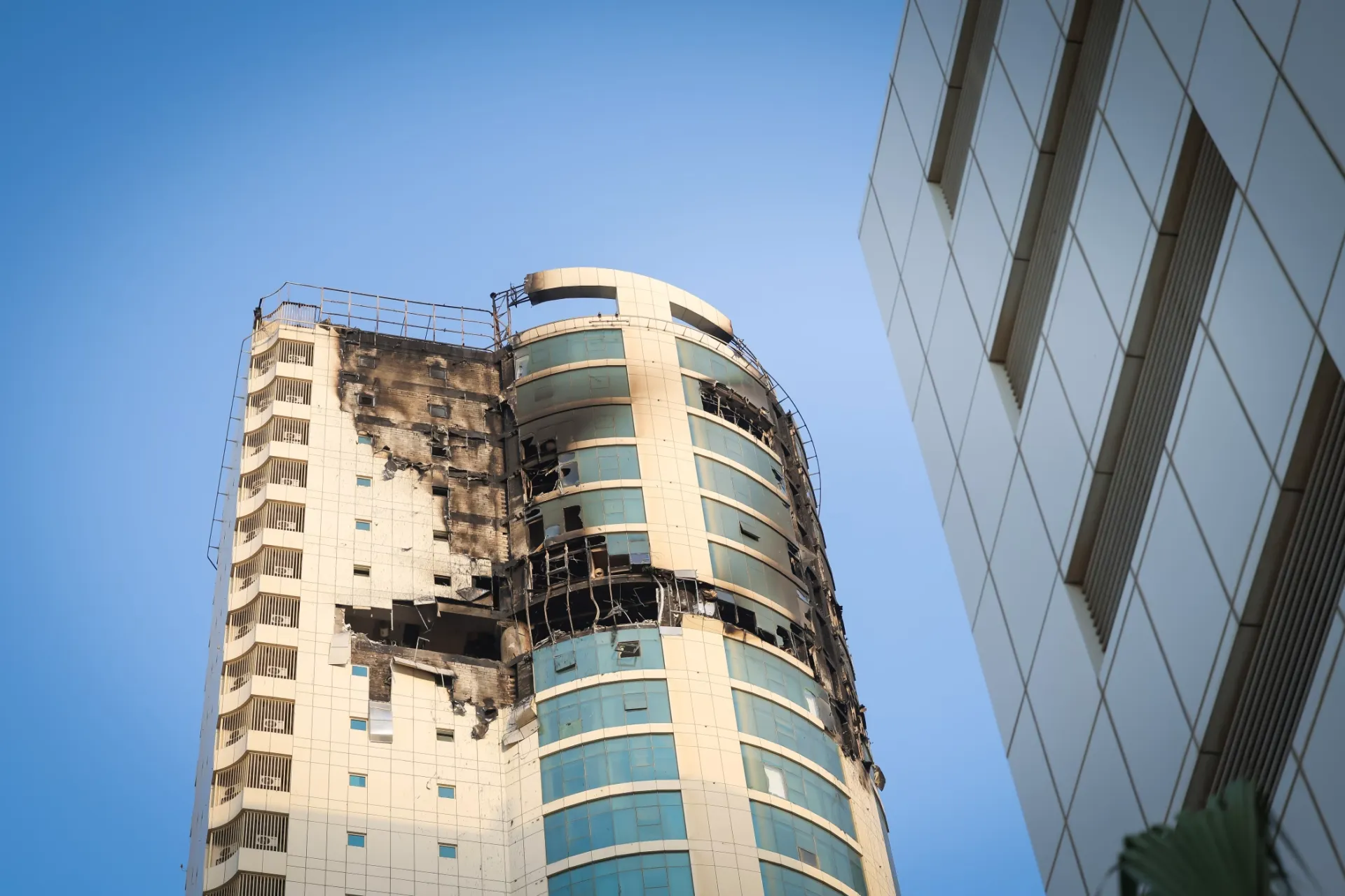
Over the past weekend, Iran launched hundreds of drone strikes on Arab countries in the Persian Gulf, damaging American military bases and critical infrastructure. The Wall Street Journal notes that these actions posed a serious challenge to the region's air defence systems.
According to the publication, the strikes targeted infrastructure facilities with the aim of exerting psychological pressure on the civilian population and causing economic damage.
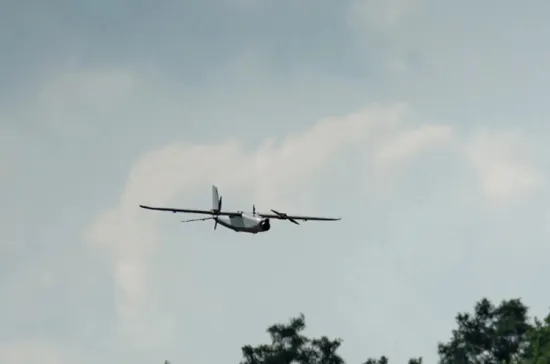
Iranian strike drones are small, relatively difficult to intercept, and suitable for mass production. Although their destructive power is less than that of ballistic missiles, they strike civilian airports, seaports, and other strategic targets.
In a number of cases, Iran has launched large groups of drones or combined drone and missile strikes to overwhelm the air defence systems of target countries.
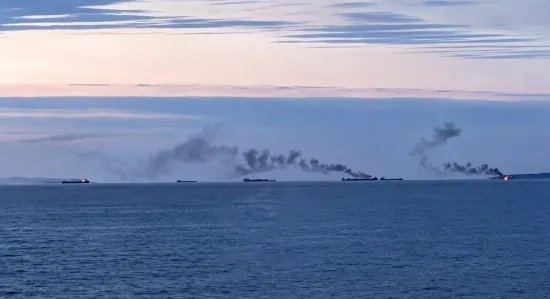
According to information confirmed by video footage and statements by Arab officials, the strikes targeted, among other things, the US naval base in Bahrain, airports in Abu Dhabi and Kuwait, skyscrapers in Dubai and Bahrain, and seaports. At least three people were killed in the United Arab Emirates, and another person was killed in Oman.
According to official government statements, Iran launched 541 drones at the United Arab Emirates, 283 at Kuwait, nine drones and 136 Shahed drones at Bahrain, 12 at Qatar and dozens at Jordan. In addition, hundreds of missiles were launched. Israel separately reported that it had intercepted more than 50 Iranian drones.
Analysts note that the attacks bear hallmarks of tactics Russia has used in its war against Ukraine, striking infrastructure targets to wear down the population and create economic pressure.
Samuel Bendett of the CNA think tank said, "Iran has watched Russia use the same tactics for four years."
Former Israeli military intelligence officer Danny Sitronovich, now a senior researcher at the Institute for National Security Studies in Tel Aviv, noted that Iran's main advantage is its ability to mass-produce.
"Their main advantage here is that mass production is relatively simple and effective, and they can launch them from both sea and land," he said.
According to the Institute for Science and International Security, a factory in Russia, built with Iranian participation, produces 18,540 drones per year. The Centre for Strategic and International Studies in Washington reported that last year Russia launched about 1,000 Shaheds per week over Ukraine.
Experts note that the Gulf countries have less time to respond due to their geographical proximity to Iran. They also point out that it is impossible to completely protect all facilities in cities such as Dubai or Abu Dhabi.