The Only Home May Be Left to the Convict’s Family: Supreme Court’s Position

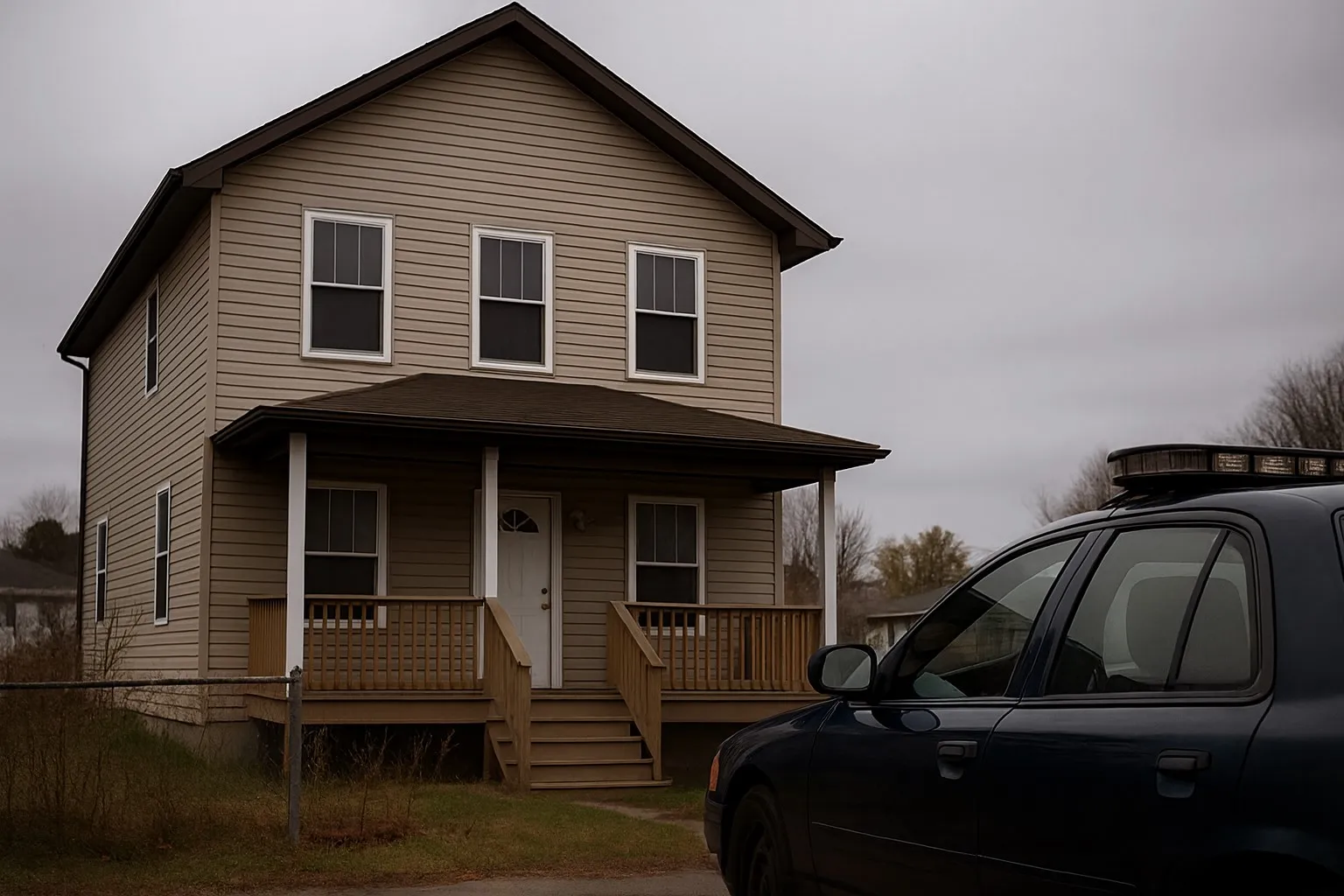
“If confiscation deprives vulnerable relatives of a convicted person of their only home, the court may exclude such property from the list of assets to be seized,” — the Supreme Court ruling states.
As ThePublic.info reports, referring to case No. 489/5087/20, the Criminal Cassation Court of the Supreme Court partially upheld the defense appeal and allowed the convicted person to keep the residential house, since it is the only place of residence for his family.
Nine people are registered and actually living in this house: the convict’s mother with a Group II disability, his sister with a Group III disability, as well as six minor and underage children. Confiscation in this situation would effectively leave them without shelter, and the case materials do not indicate the existence of any alternative housing.
Case Details
In 2020, the man, acting in prior conspiracy, committed several serious crimes, including:
-
unlawful imprisonment of two individuals with the use of violence (Part 2, Article 146 of the Criminal Code);
-
two violent robberies (Part 2, Article 186);
-
armed robbery (Part 2, Article 187);
-
extortion (Part 2, Article 189);
-
unlawful seizure of a vehicle with violence (Part 2, Article 289).
The court of first instance sentenced him to 7 years and 6 months of imprisonment with confiscation of all property. The Court of Appeal upheld the verdict without changes.
Decision of the Supreme Court
The Supreme Court agreed with the term of imprisonment but excluded the residential house from the list of confiscated assets, recognizing it as the only home for the convict’s large family.
Final sentence: 7 years and 6 months of imprisonment with confiscation of all property except the residential house.
The ruling of the Supreme Court is final and not subject to appeal.