The EU has finally approved a complete phase-out of Russian gas by 2027

Dmitro Shevchuk
Dmitro Shevchuk Executive Editor
The EU has finally approved a complete phase-out of Russian gas by 2027
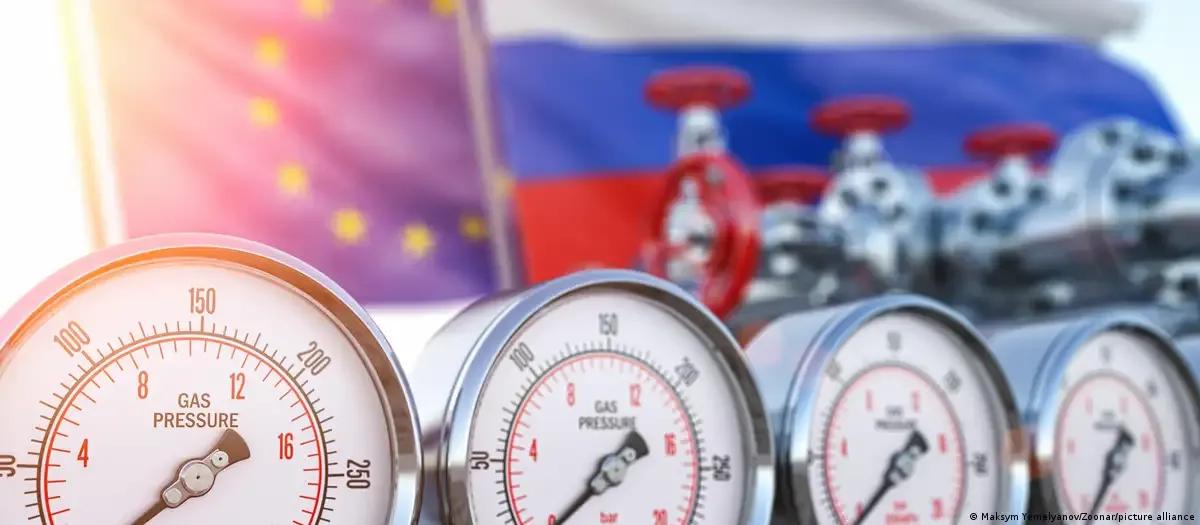
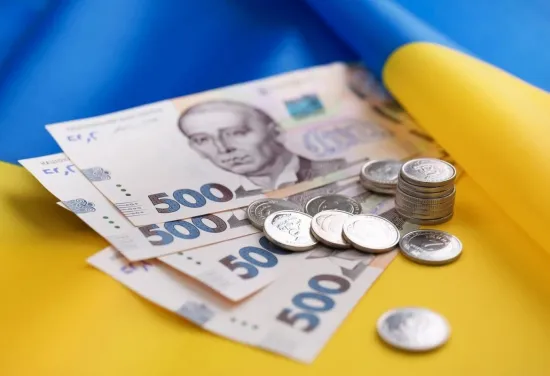
Illustration: EU ban on Russian gas imports Photo: Maksym Yemelyanov, Zoonar picture alliance
The European Union has taken another step towards energy independence by approving regulations on the phased ban on Russian gas imports. The decision was made despite objections from some countries and provides for strict deadlines, penalties and mandatory diversification of supplies.

On Monday, 26 January, the Council of the European Union approved a regulation that provides for a complete halt to imports of Russian pipeline gas and liquefied natural gas by the end of 2027. The document became part of the REPowerEU strategy aimed at reducing the EU's dependence on Russian energy sources after Russia's full-scale invasion of Ukraine in February 2022.

According to the regulation, imports of Russian LNG must be stopped from the beginning of 2027, and pipeline gas supplies by 30 September 2027. If necessary, this deadline may be extended to 1 November 2027 if individual countries have difficulties filling their gas storage facilities before the heating season. The ban on new contracts with Russia will take effect six weeks after the regulation officially enters into force.

EU countries are also required to check the country of origin of gas before importing it. Violations of the new rules will result in fines of up to €2.5 million for individuals and up to €40 million or 3.5 per cent of annual global turnover for companies. By 1 March 2026, all countries must prepare national plans for diversifying supplies and report on existing contracts with Russia. In the event of a serious threat to energy security, the European Commission will be able to temporarily suspend the ban for up to four weeks.

The decision was adopted by a qualified majority. Hungary and Slovakia voted against it, while Bulgaria abstained. Budapest has already announced its intention to challenge the regulation in the Court of Justice of the European Union.

Before the full-scale war began, Russia supplied more than 40 per cent of the EU's gas imports. By 2025, this share had fallen to around 13 per cent. At the same time, according to the Centre for Energy and Clean Air Research, the five largest EU importers spent around €1.4 billion on Russian energy sources in just one month. Hungary, France and Belgium remained the largest buyers.

EU Council, gas, LNG, Russia, 
Share tittle
Economy
Women in Ukraine earn less than men: in which sectors is the pay gap the widest?
Economy

Women in Ukraine earn less than men: in which sectors is the pay gap the widest?

The average salary in Ukraine in the first quarter of 2026 was 28,885 hryvnias. However, the figures for men and women differ significantly, with the gap exceeding 47% in certain sectors.

04.06.2026
In 2026, over 2.1 billion hryvnias were allocated for the construction and repair of shelters in Kyiv
Economy

In 2026, over 2.1 billion hryvnias were allocated for the construction and repair of shelters in Kyiv

The city authorities have allocated 2,148,145,000 hryvnias for the construction of new civil defence shelters and the renovation of existing ones in 2026. In 2025, almost the same amount was allocated for construction alone.

04.06.2026
200 million tonnes of cargo have been transported via the Ukrainian maritime corridor
Economy

200 million tonnes of cargo have been transported via the Ukrainian maritime corridor

Since the launch of the Ukrainian maritime corridor in 2023, 200 million tonnes of cargo have been transported via it, of which 118 million tonnes is Ukrainian grain.

04.06.2026
‘Don’t pretend you’ve achieved anything,’ said the MP, criticising the director of the Economic Security Bureau of Ukraine for manipulating the results of their work
Economy

‘Don’t pretend you’ve achieved anything,’ said the MP, criticising the director of the Economic Security Bureau of Ukraine for manipulating the results of their work

MP Danylo Getmantsev stated that parliamentarians are dissatisfied with the slow progress in bringing the economy out of the shadows, and that, instead of delivering tangible results, the Economic Security Bureau is ‘feeding’ the public with presentations and manipulating the figures in its reports.

04.06.2026
Restrictions on petrol sales have been introduced in Moscow and St Petersburg
Economy
  • Important

Restrictions on petrol sales have been introduced in Moscow and St Petersburg

Petrol stations in Moscow and St Petersburg are introducing limits on the sale of petrol and diesel. The companies attribute these measures to market conditions and supply difficulties.

03.06.2026