EU seeks to circumvent national vetoes

The European Union has intensified its search for mechanisms that allow it to make key decisions without the unanimous consent of all member states. The reason for this was the regular blocking by some countries, primarily Hungary and Slovakia, of support for Ukraine and sanctions against Russia. This was reported by The Public with reference to Euronews.
At one of the December EU summits, leaders used a joint debt scheme for the first time without the participation of all members. As a result, they managed to raise €90 billion for Ukraine in 2026 and 2027, leaving Hungary, Slovakia and the Czech Republic out of the deal. Formally, this became possible thanks to the mechanism of enhanced cooperation provided for by EU treaties.
In addition, Brussels applied Article 122 of the EU treaties, which allows for qualified majority decision-making in the event of a serious economic crisis. Thus, the EU extended the freeze on Russian assets, avoiding the need for a unanimous vote.
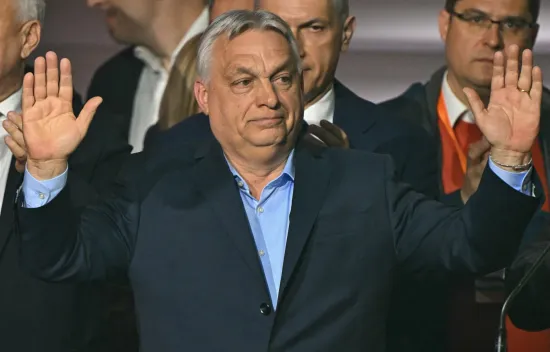
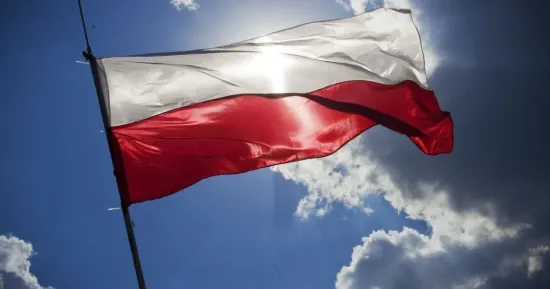
According to researchers, since 2011, 46 vetoes have been used in the EU by 15 countries. The absolute leader is Hungary, which has blocked 19 decisions, including those on financial assistance to Ukraine and the start of negotiations on its accession to the EU. Poland used its veto seven times, Slovakia twice, both times in 2025.
The European Commission acknowledges that it is increasingly structuring legislative initiatives to avoid unanimity. An example is the REPowerEU plan, which envisages a complete rejection of Russian energy by 2027. Despite the resistance of Budapest and Bratislava, the relevant decisions are planned to be adopted by a majority vote.
At the same time, experts warn that massive circumvention of the veto could lead to lawsuits and undermine the balance between large and small states. Already, Hungary and Slovakia have announced their intention to challenge certain decisions in the EU courts. Analysts emphasise that the veto remains the last tool for countries to protect their national interests, and its gradual erosion could have long-term consequences for the unity of the Union.