EU dismisses Russia's lawsuit against Euroclear as groundless and political pressure
The European Commission has called the lawsuit filed by the Russian Central Bank against Euroclear, which holds €185bn of frozen Russian assets in Brussels, "speculative" and legally groundless. The lawsuit was filed with the Moscow Arbitration Court as the EU prepares to decide on a reparations loan for Ukraine. This was reported by The Public with reference to Euronews.
Moscow sues, EU prepares reparations mechanism
Russia has filed a «claim for damages», accusing Euroclear of blocking access to assets subject to EU sanctions since 2022.
Brussels responded that the assets were not confiscated, the principle of sovereign immunity was respected, and the legal grounds were fully compliant with international law.
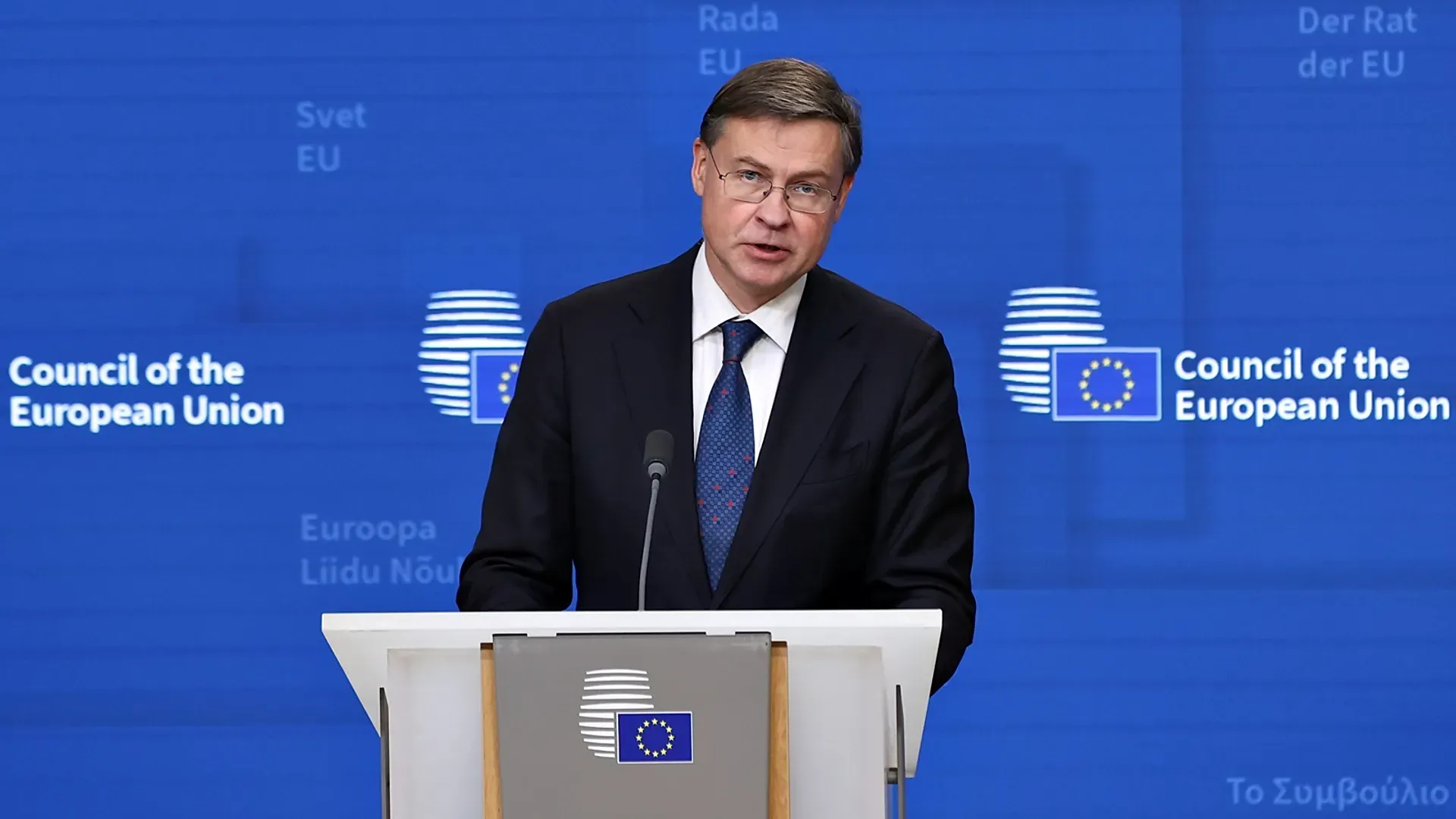
European Commissioner Valdis Dombrovskis emphasised that the EU expects new attempts of legal pressure from Russia, but all financial structures that hold Russian assets will be «fully protected».
EU controls €210bn of Russian assets and introduces new safeguards
Around EUR 210 billion of assets of the Central Bank of the Russian Federation are currently under the jurisdiction of the EU. The current sanctions regime already allows Euroclear to compensate for possible losses under the "mirror scheme". For example, if a Russian court arrests €17bn of Euroclear's assets in Russia, the depository will be able to compensate for the losses with €30bn of Russian assets held in the EU.
The reparations loan plan, which EU leaders are due to consider on 18 December, also includes a special mechanism for resolving possible disputes between states. If Russia confiscates Belgian property in retaliation, Belgium will be able to compensate the amount from frozen Russian assets.
Belgium remains the main sceptic
The Brussels guarantees are primarily aimed at reassuring Belgium, which requires additional legal safeguards because it is the country where Euroclear is located. Prime Minister Bart de Wever warns of the risks of possible lawsuits and demands that the EU share responsibility.
Euroclear has previously called the idea of a reparations loan «very fragile» and one that could create new risks for the financial system.
The EU is effectively freezing Russia's assets indefinitely
The day before the lawsuit was announced, the EU countries agreed to launch a special mechanism that allows them to hold the assets of the Russian Central Bank until Russia stops posing risks to the EU economy and pays compensation to Ukraine. Brussels recognises that this condition is unlikely to be fulfilled in the near future.
Russia's reaction
The Central Bank of the Russian Federation said it «reserves the right» to take all possible measures if the EU implements its plans for the assets. Moscow also makes no secret of the fact that the new lawsuit is an element of pressure on the bloc ahead of the decision on the reparations loan.