The EU has warned the US against strikes on Iran’s energy infrastructure

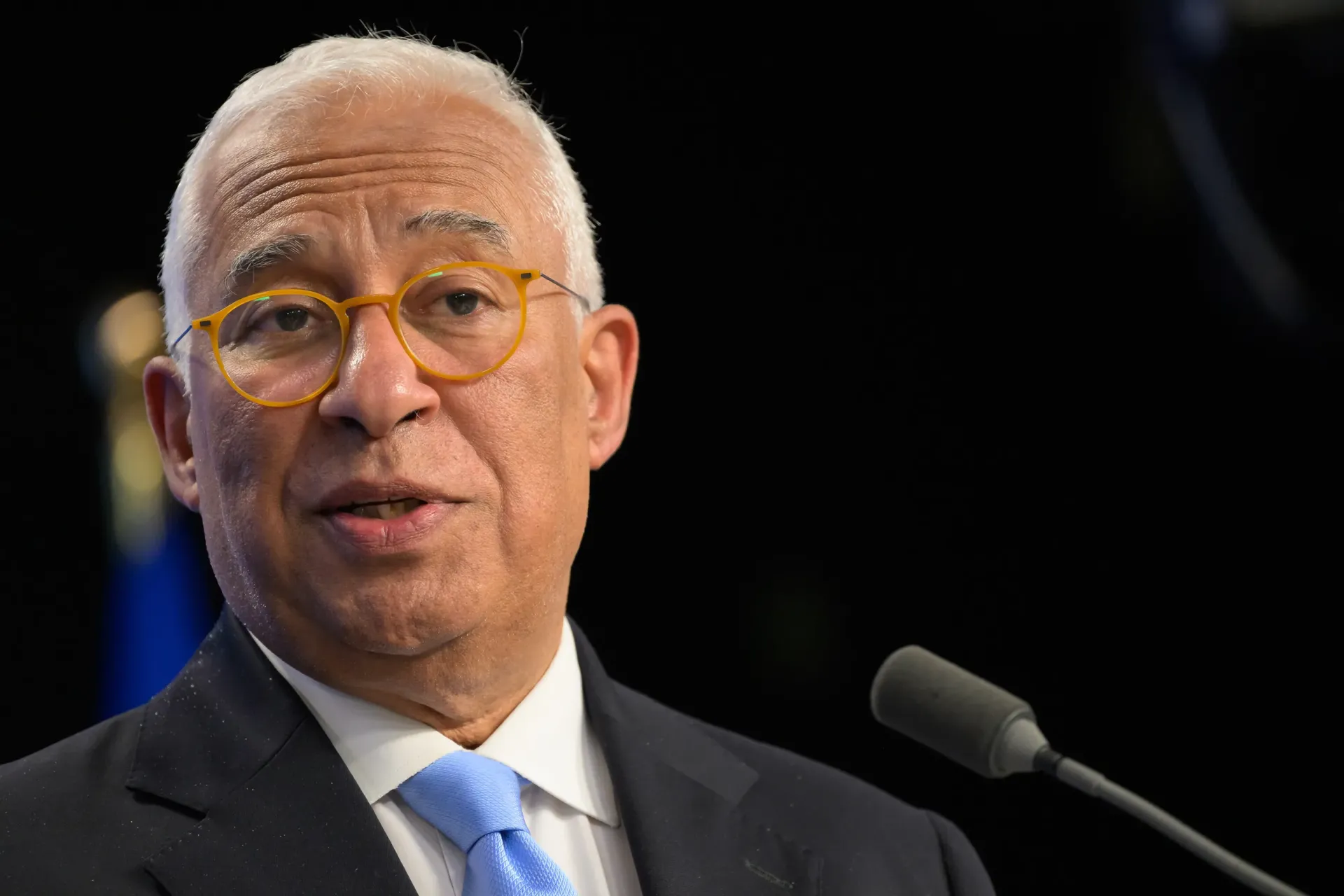
The President of the European Council, António Costa, has stated that strikes on civilian infrastructure, particularly energy facilities, are illegal and unacceptable. His statement came following threats by US President Donald Trump to attack power stations and bridges in Iran should Tehran fail to open the Strait of Hormuz, according to Politico.
According to Costa, such actions contravene international law regardless of the region of conflict. He also noted that Iran’s civilian population is the main victim of the situation and could suffer even more in the event of further escalation. In his view, after five weeks of war in the Middle East, only a diplomatic solution can address the root causes of the conflict.
The day before, Donald Trump posted a message stating that Tuesday could see strikes on energy facilities and bridges in Iran if the strait is not opened.
White House spokeswoman Caroline Levitt stated that the United States would act within the law.
In recent days, António Costa has held telephone conversations with Iranian President Masoud Pezeshkian, as well as with the leaders of Israel, the United Arab Emirates and Pakistan. The EU noted that these contacts are aimed at de-escalation, protecting the civilian population and creating conditions for diplomacy.
European countries are refusing to participate in the conflict, despite rising tensions over the blockade of the Strait of Hormuz, which is affecting global energy prices. Some EU states have also refused to make their bases available for potential strikes, drawing criticism from Donald Trump.
Last week, the UK held an online meeting involving 41 countries, including France, Germany and Canada, to coordinate a position on the opening of the Strait of Hormuz. Participants supported diplomatic efforts through the UN and rejected Iran’s demands for payment for the passage of ships.
Iran is demanding that ships pay fees for transit through the strait, which is a key route for supplying oil and gas to global markets. According to Lloyd’s List Intelligence, 26 ships have passed through the strait since 13 March, some of which paid in Chinese yuan.