Europe holds back new price surge due to war in the Middle East

This was reported by Bloomberg.
European governments are rushing to prepare anti-crisis measures to curb rising energy and food prices amid the war in the Middle East.
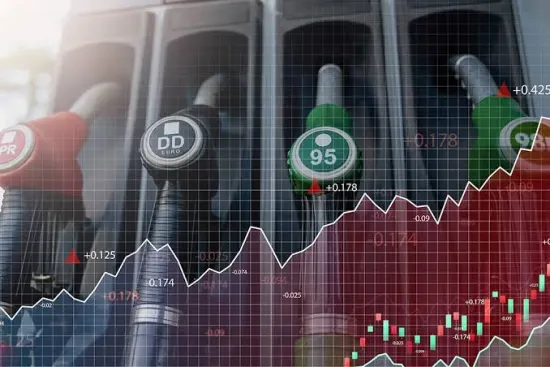
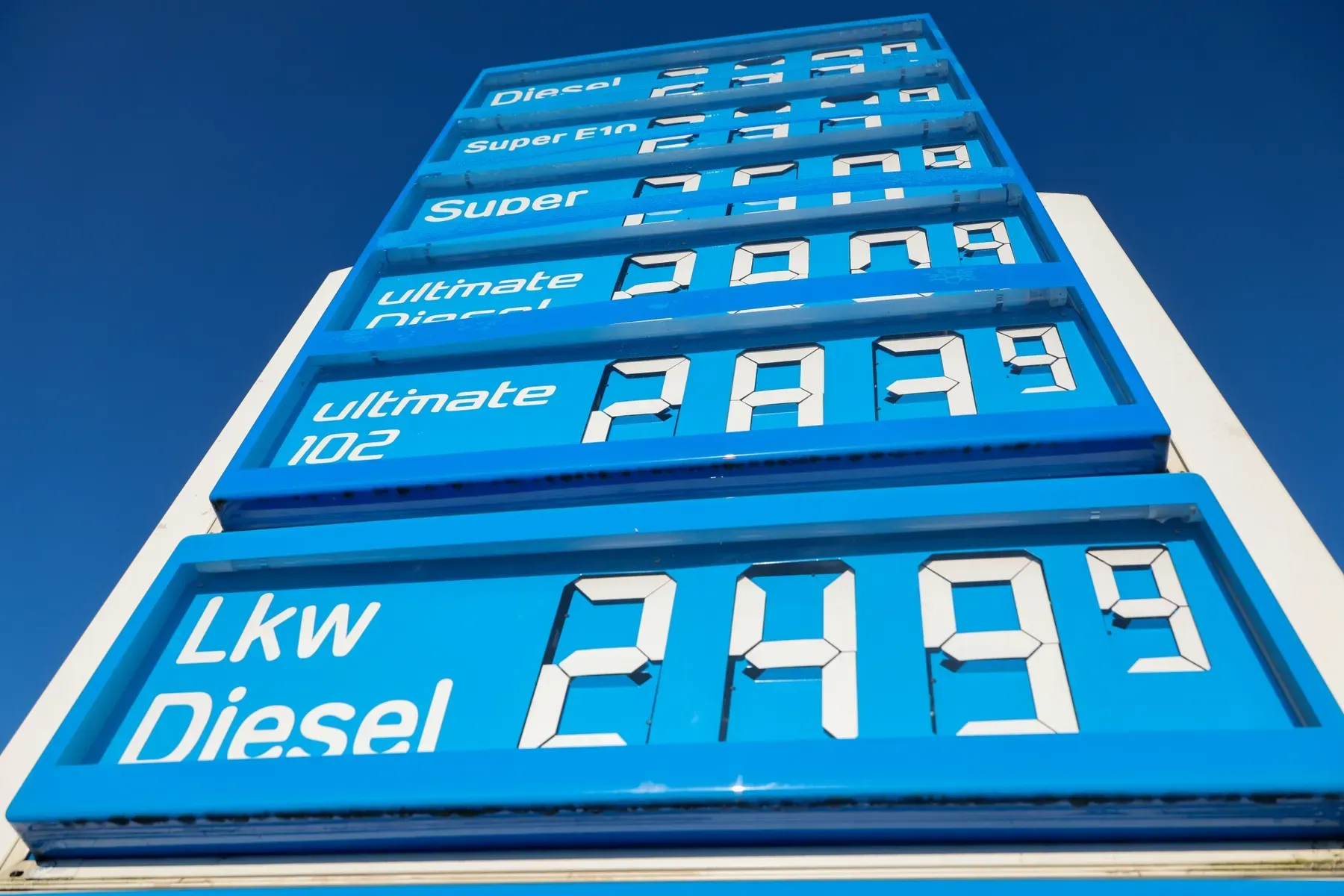
Germany has decided to limit price changes at petrol stations to once a day. This was announced on Wednesday by the country's economy minister.
Greece will limit profits from the sale of fuel and food for the next three months.
Italy, for its part, is considering using additional VAT revenues generated by higher fuel prices to soften the blow to consumers and punish companies trying to profit from the crisis.
Italian Prime Minister Giorgia Meloni told lawmakers that the government would do everything possible to prevent speculation on the crisis.
According to her, Rome is closely monitoring the possible economic consequences of the war in Iran.
Such decisions show how seriously the European Union takes the risk of a new inflationary surge caused by the war in Iran.
The conflict has effectively paralysed the flow of goods and energy through the Strait of Hormuz and made the EU dependent on tougher competition in the global market.
Next week, EU leaders are set to meet in Brussels to discuss, among other things, ways to reduce energy costs.
European Commission President Ursula von der Leyen said Brussels is considering capping natural gas prices.
This move is part of a broader effort to reduce the impact of gas prices on electricity bills.
The EU already introduced a similar mechanism during the energy crisis following Russia's invasion of Ukraine, although it was never actually implemented.
According to von der Leyen, in just 10 days of the Iranian conflict, European taxpayers have already paid an additional €3 billion for fossil fuel imports.
She called this the price of Europe's dependence.
At the same time, on Wednesday, OECD countries agreed to the largest release of oil from emergency reserves in history.
This involves 400 million barrels, coordinated by the International Energy Agency.
Even before the US and Israel struck Iran, Europe was already looking for ways to prevent businesses from closing due to high energy costs.
A series of crises, from the Covid-19 pandemic to the war in Ukraine, has already led to a surge in prices for key commodities and fuelled populism in EU countries.
The new instability in the Middle East has further intensified the desire of national governments to find quick solutions.
Since the start of the conflict, gas prices in Europe have risen by around 50%.
Oil prices have risen by around 25%.
Last month, Italy began to reduce domestic energy prices separately, even before the latest surge, by passing a decree that removes carbon emission costs from electricity bills.
Now Italian officials hope to take this decision further.
Other countries, including Poland and the Czech Republic, have also called for a relaxation of part of the EU's emissions trading system, which is one of the key elements of the bloc's climate regulation.
In their view, this could reduce the burden on businesses.
Austria has promised to pass on any additional tax revenues generated by higher fuel prices to consumers.
On Wednesday, they announced a series of measures, including the extension of the strategic gas reserve programme by 20 terawatt hours, the postponement of electricity price caps for households until July, and a requirement for fuel suppliers to raise prices no more than three times a week.
France is still only evaluating possible measures.
The French government is monitoring price anomalies at petrol stations and will hold a meeting on Thursday to discuss ways to protect consumers from rising costs.
Europe also fears that the longer the Iranian conflict lasts, the more significant the price jump will be.
Peter Kazimir, a member of the European Central Bank's Governing Council, said that due to the war and its impact on inflation, the regulator may be forced to raise interest rates earlier than expected.
He stressed that the ECB would be ready to act if necessary.