The Cabinet of Ministers has allowed some female officials to travel abroad freely

This was announced by Taras Melnychuk, the government’s representative in the Verkhovna Rada.
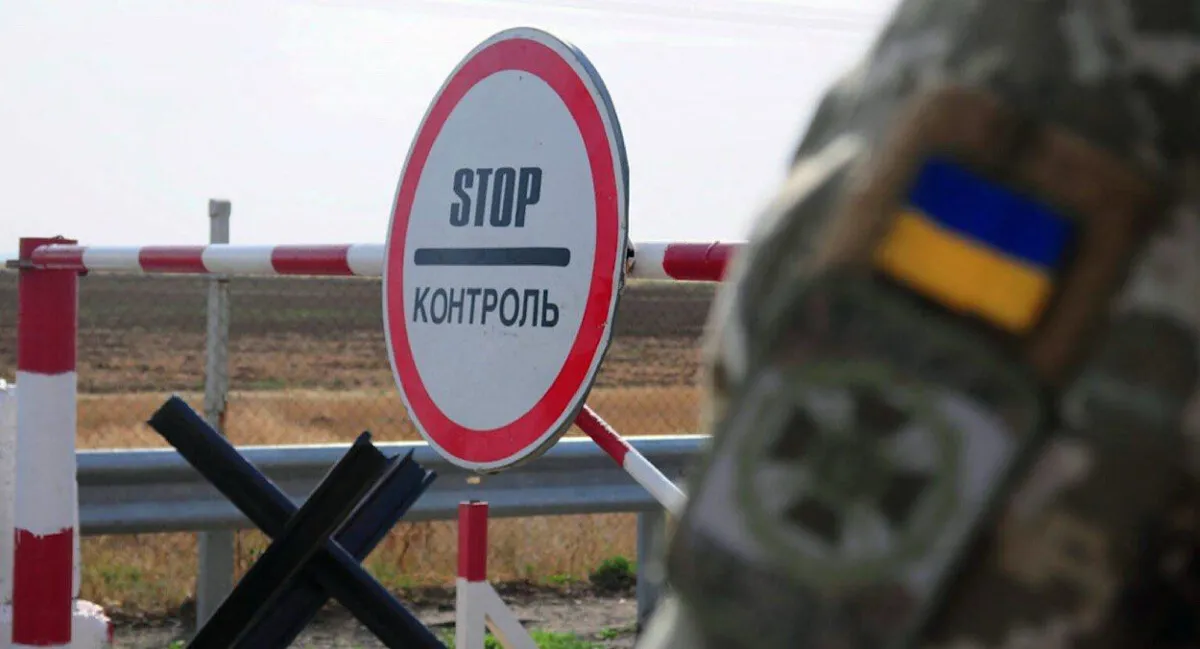
The Cabinet of Ministers has amended paragraph 2-14 of the Rules on the Crossing of the State Border by Citizens of Ukraine.
Under this clause, certain categories of persons may only leave Ukraine on official business during a state of war or a state of emergency.
These restrictions apply not only to men but also to women.
Following the changes, some women who fall under clause 2-14 of the Rules will be able to cross Ukraine’s state border without hindrance.
At the same time, the government has retained exceptions for a number of officials.
The restrictions will continue to apply to members of the Cabinet of Ministers, first deputy ministers and deputy ministers, heads of central executive bodies and their deputies, the State Secretary of the Cabinet of Ministers and his deputies.
The exemption also applies to the leadership of the Verkhovna Rada Secretariat, state secretaries of ministries, the leadership of the Office of the President, heads of auxiliary bodies and services under the President and their deputies.
The restrictions remain in place for the Head of the Security Service of Ukraine and his deputies, members of the National Council on Television and Radio Broadcasting, the Accounting Chamber, the Central Election Commission, other state collegial bodies, the Secretary of the National Security and Defence Council and his deputies.
They will also apply to members of parliament, the Ombudsman and his representatives, the leadership of the National Bank of Ukraine, the President’s Permanent Representative in the Autonomous Republic of Crimea and his deputies, and heads of local state administrations and their deputies.
The list also includes judges of the Supreme Court and the Constitutional Court, prosecutors of the Office of the Prosecutor General, heads of state bodies with nationwide jurisdiction and their deputies.
Restrictions remain in place for heads of regional and district councils, mayors of cities, towns and villages, their deputies, secretaries of local councils, heads of state-owned unitary enterprises and their deputies.
Separately listed are the heads and members of the executive bodies of business entities in which 50% or more of the shares or equity interests are owned by the state, as well as companies owned by business entities with 100% state ownership.
As reported by ThePublic, the Supreme Court has changed its approach to the discharge of military personnel for reasons of caring for relatives
Follow us on Telegram