The US has called on Ukraine not to attack non-Russian vessels in the Black Sea

Chevron’s Chief Executive Mike Wirth held talks this week with representatives of US President Donald Trump’s administration on how to prevent the company’s extensive assets in Kazakhstan from being affected by the war between Russia and Ukraine, according to the WSJ.
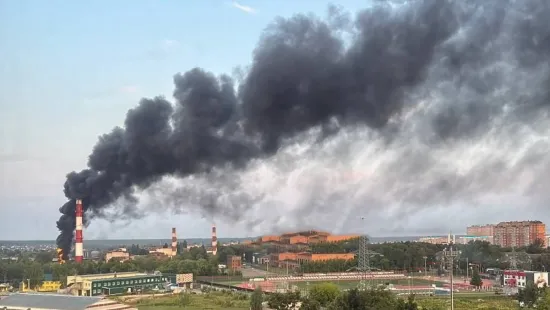
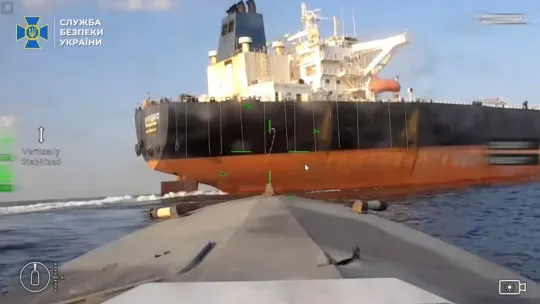
The discussions were prompted by a recent attack by Ukrainian drones on four tankers in the Black Sea near Novorossiysk. Among them was a vessel chartered by Chevron. Novorossiysk is a key export port for oil and the terminus of the Caspian Pipeline Consortium, of which Chevron is a co-owner. Around 2 per cent of the world’s daily oil supplies are transported via this pipeline.
Following the attacks, shipments via the pipeline were restricted, forcing Kazakhstan to cut oil production due to a lack of storage capacity.
According to the publication’s sources, Mike Wirth, Chevron’s management and other representatives of the oil industry discussed the situation in the oil market and in the Black Sea with senior US officials this week, in an attempt to protect their interests in the region.
Following these consultations, the US administration warned Ukraine against attacking vessels that do not belong to Russia. One US official noted that Washington regards the Caspian Pipeline Consortium as a key route for supplying Kazakh oil to European markets, offering an alternative to Russian energy supplies.
Chevron holds a 15 per cent stake in the Caspian Pipeline Consortium. The company also holds a 50 per cent stake in the Tengiz field, which accounts for around 12 per cent of its global production. In recent years, Chevron has invested tens of billions of dollars in expanding this project.
Although the pipeline and oil fields have not been damaged, a prolonged reduction in exports could negatively impact the company’s cash flows from its operations in Kazakhstan. Chevron estimates that the Tengiz field is set to generate around $6 billion in free cash flow this year, assuming an average oil price of $70 per barrel.
Analysts note that if the attacks continue and disrupt exports, Chevron will likely have to cut production at Tengiz, as the port lacks sufficient storage capacity for the oil.
Last year, the company completed the Tengiz expansion project, costing around $48 billion, increasing the field’s production capacity to approximately 1 million barrels per day. The project’s initial budget was around $37 billion, but its implementation was delayed by several years and required additional expenditure.
Chevron has been operating in Kazakhstan since 1993 and is in talks to extend its contract, which would allow the company to remain the project operator beyond 2033.
Tengizchevroil, which manages the Tengiz field, has stated that it is monitoring the situation regarding oil shipments via the Caspian Pipeline Consortium terminals in Novorossiysk. The company noted that production and transport volumes may be adjusted depending on operational conditions.
Exxon Mobil (25 per cent), KazMunayGas (20 per cent) and Lukoil (5 per cent) also hold stakes in Tengizchevroil.
Around 1.4 million barrels of oil are transported daily via the Caspian Pipeline Consortium, a significant proportion of which is supplied to European countries, notably Spain.
The publication notes that the attacks are part of a wider campaign targeting Russia’s energy infrastructure. At the same time, given the US stance on attacks on non-Russian vessels, some analysts suggest that Ukraine may focus on other targets.
The global oil market is also being affected by Houthi attacks on tankers in the Red Sea and the slowdown in shipping through the Strait of Hormuz following the resumption of bombing campaigns involving the US and Iran.
Next week, Chevron and Exxon Mobil are set to publish their second-quarter financial results following a period of rising global oil prices.