Qatar has halted liquefied gas production due to conflict in the region

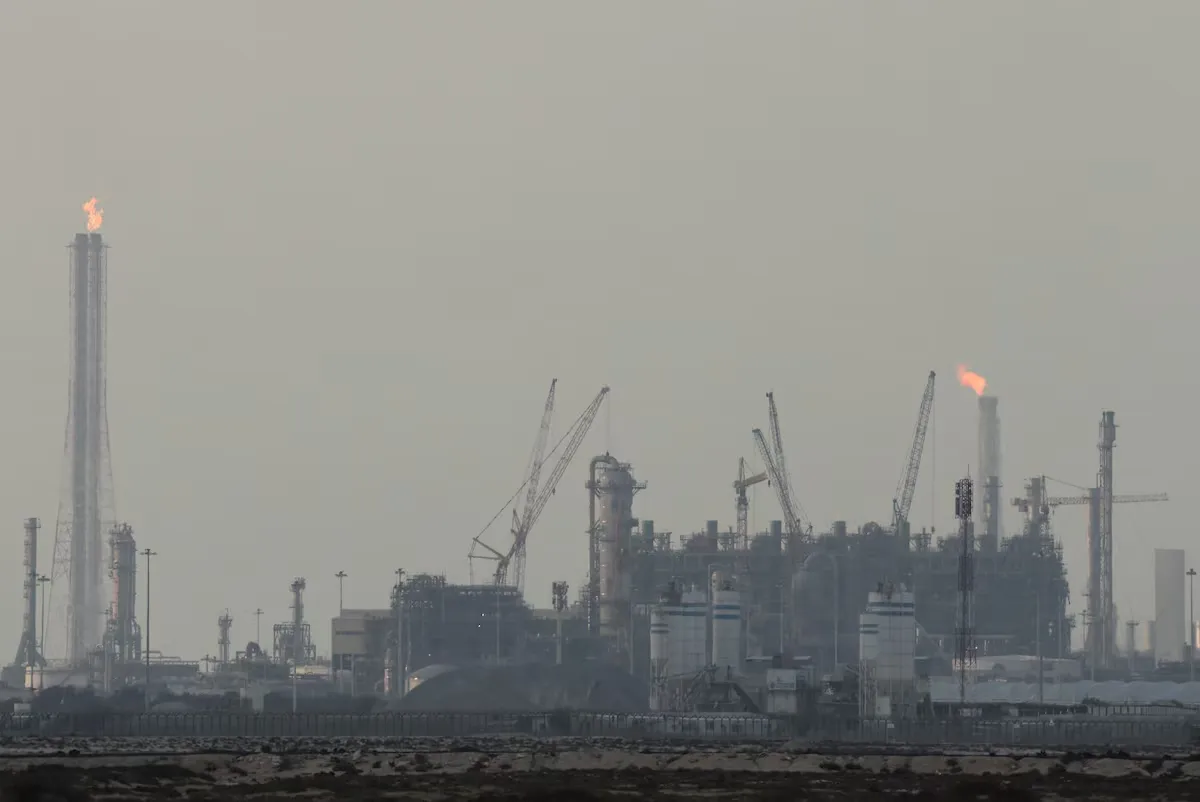
Qatar has declared force majeure on liquefied natural gas exports amid the war between the US, Israel and Iran. State energy company Qatar Energy has halted gas production and is completely suspending the liquefaction process, RTE reports.
According to two sources familiar with the situation, the complete shutdown of gas liquefaction is scheduled for Wednesday. After that, the company will not be able to resume operations for at least two weeks. Once the decision to restart is made, it will take approximately two more weeks to return to full production capacity.
Qatar accounts for about 20 per cent of global liquefied natural gas exports. All of these supplies pass through the Strait of Hormuz, where shipping has almost come to a standstill due to the military conflict and retaliatory strikes by Iran.
The main consumers of Qatari liquefied gas are countries in Asia and Europe. More than 80 per cent of supplies go to China, Japan, India, South Korea, Pakistan and other countries in the region.
According to sources, Qatar Energy has already begun to notify some of its customers in Asia and Europe about the production stoppage, but has not specified how long the interruption will last.
The production halt has intensified competition for liquefied gas supplies between the Atlantic and Pacific regions. Against this backdrop, gas prices in Europe and Asia, as well as freight rates for LNG transportation, have risen to multi-year highs.
The gas liquefaction process involves cooling the fuel to approximately minus 162 degrees Celsius, which allows it to be converted into a liquid state for transport.
The Ras Laffan plant in Qatar has large storage tanks with a capacity of approximately 760,000 cubic metres. However, under full production conditions, they can be filled in about 1.6 days.
When production is halted, volumes are first gradually reduced, then the gas supply is stopped and the pressure in the system is reduced to protect the equipment. The resumption of operations is also gradual, as the equipment needs to be cooled slowly before restarting.