The Kremlin will likely try to influence the results of the elections in Hungary

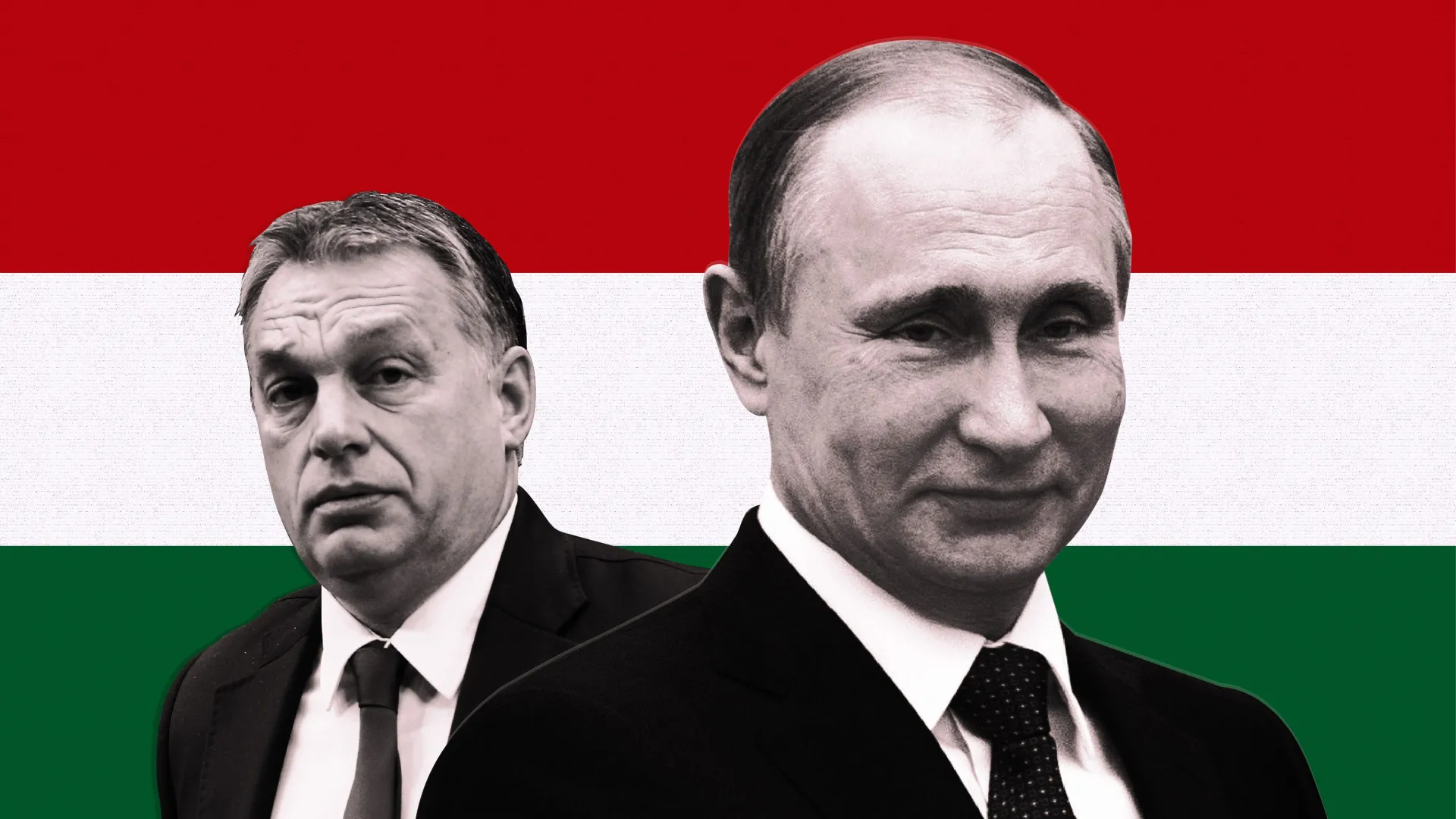
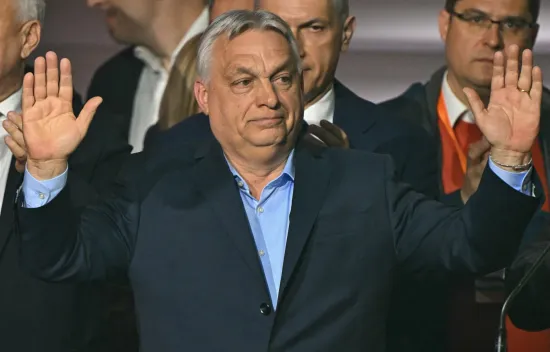
According to several European sources in the field of national security, the Kremlin has tasked a group of political technologists with working on possible influence on the parliamentary elections in Hungary, which are to take place in April 2026. According to them, the main goal of the operation is to support Prime Minister Viktor Orbán, reports VSQuare.
According to the sources, Sergei Kiriyenko, first deputy head of the Russian presidential administration, may be coordinating the actions. He previously headed the state corporation Rosatom and has been responsible for domestic policy in the Kremlin since 2016.
Sources note that in recent years, Kiriyenko has expanded his sphere of activity to include work with foreign elections. One example cited is the elections in Moldova, where, according to interlocutors, networks of voter bribery, internet resources for spreading messages, and field organisers were used.
According to sources, information about a possible operation aimed at supporting Viktor Orbán was passed on to partners in Europe. They say that various structures of the European Union and NATO may be aware of this.
At the end of 2025, the Kremlin created a new department of the presidential administration called the Presidential Department for Strategic Partnership and Cooperation. It replaced two previous departments that were previously headed by Dmitry Kozak.
The head of the new department is Vadim Titov, who previously worked at Rosatom. According to sources, he is responsible for international political operations.
According to interlocutors, the plan involves placing specialists in social media manipulation at the Russian Embassy in Budapest. It is expected that they will work under diplomatic cover.
According to sources, there are at least three people who may be acting on behalf of Russia's military intelligence service, the GRU. It is not yet known whether they have started work.
Russian diplomats with military ties have previously worked in Budapest. At the same time, the media space supported by Viktor Orbán's government actively disseminates narratives that coincide with the Kremlin's position, particularly those critical of Ukraine.
According to one source in Central Europe, the group working on the Hungarian direction may be in contact with representatives of the election headquarters associated with Viktor Orbán's government.
Meanwhile, according to the results of a sociological study published by the Hungarian company Medián, Tisza's party is ahead of Fidesz among voters who plan to participate in the election.
According to the poll, Tisza has the support of 55 per cent of such voters, while Fidesz has the support of 35 per cent.
The Polymarket forecasting platform also published estimates showing Péter Magyar ahead of Viktor Orbán.
The Hungarian government has restricted access to Polymarket, citing illegal gambling.
According to sources close to the government, tensions are rising within the Fidesz party. Some of the criticism is directed at Balázs Orbán, the prime minister's political director and campaign manager.
Balázs Orbán previously headed the Matthias Corvinus Collegium, an educational institution that received $1.7 billion in state funding.
The article also notes that the Fidesz campaign is largely focused on foreign policy issues, including the war, relations with the European Union, Ukraine, Iran and the United States.
At the same time, Péter Magyar is running a campaign that, according to the authors of the article, focuses more on domestic issues, such as the state of the healthcare system, wage levels and corruption.
On 25 February, the director of the Matthias Corvinus College, Zoltán Szalay, addressed students, parents and staff in a letter. In it, he stated that the Tisza party's election programme envisages the liquidation of the institution and the return of its assets to the state.
According to the article, more than 8,000 students study at the Matthias Corvinus College.