The Kremlin is tightening its grip on the internet ahead of potentially unpopular decisions

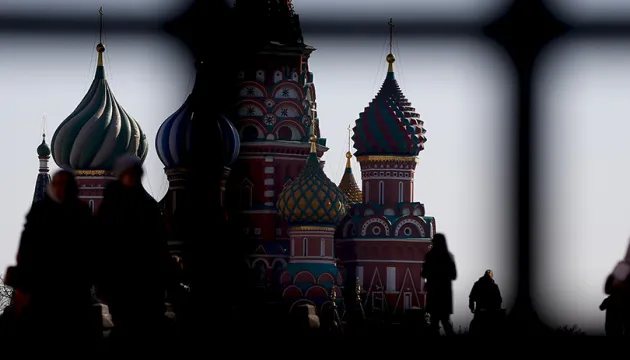
The Kremlin continues to tighten its grip on the Russian information space and restrict internet access in order to prevent internal resistance and shield the regime from potential unpopular decisions.
This is stated in a report by the Institute for the Study of War (ISW).
According to analysts, since 5 March, the Russian authorities have restricted access to mobile internet in Moscow. As of 12 March, internet access, including mobile internet, in the State Duma building had been cut off for the second day running.
State Duma Speaker Vyacheslav Volodin attributed the connectivity issues in the legislative body’s building to “national security” concerns.
The report also notes that the Kremlin continues to signal its intention to further restrict the operation of the Telegram messaging app.
“The Kremlin is stepping up its internet censorship campaign, presumably to prevent internal resistance and shield the regime from upcoming unpopular decisions, such as further call-ups of reservists, particularly ahead of the State Duma elections in September 2026,” ISW experts stated.
Analysts noted that this campaign includes attempts to force Russians to use state-controlled applications, notably the Max messaging app, the imprisonment of dissidents, and restrictions on access to foreign internet resources.
The report states that the tightening of censorship may indicate that Russian President Vladimir Putin is not entirely confident in the stability of his regime.
The ISW also suggested that the Kremlin may continue to expand its physical and social control over the Russian internet, particularly in the context of a possible future conflict with NATO.