Magnetic storms in early May: when to expect the worst days

The first few days of May 2026 may prove challenging for those sensitive to weather changes.
According to monitoring centres, prolonged geomagnetic activity is expected at the start of the month.
On 1 May, solar activity will remain at level 4.
This is a storm of moderate intensity.
On this day, people may experience apathy, mild dizziness and a general deterioration in their well-being.
On 2 May, a moderate-intensity magnetic storm will continue throughout the day.
Towards the evening, readings may drop to 3 points.
This is a weaker level, which is most likely to be felt only by very sensitive people.
On 3 May, the magnetosphere is expected to be relatively calm.
This day is forecast as a period when the body will be able to recover somewhat from the previous activity.
On 4 May, a further increase in geomagnetic activity to 4 points is expected.
On this day, headaches, insomnia, weakness and a return of discomfort are possible for weather-sensitive people.
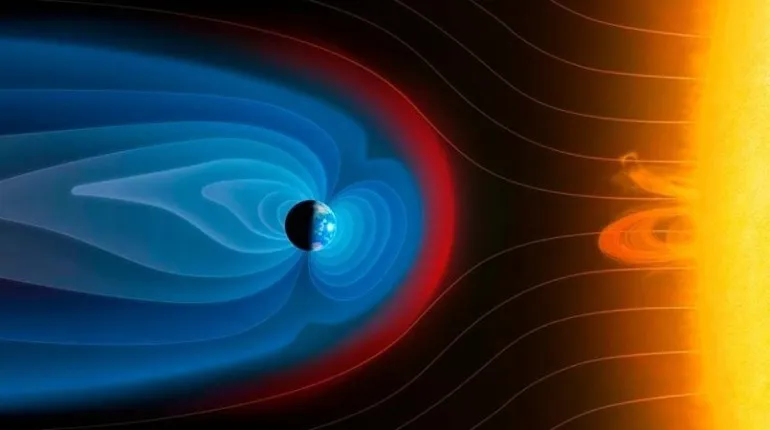
A magnetic storm occurs following solar flares.
During such events, microparticles are ejected into space, which collide with the Earth’s magnetic field at high speed.
This collision causes a disturbance that scientists call a magnetic storm.
Weak and moderate storms usually have the strongest effect on weather-sensitive people.
Stronger geostorms can make a wider range of people feel unwell, as well as disrupting communications, radio and satellite services.
People who are weather-sensitive or weather-dependent are at risk.
People with cardiovascular diseases or high blood pressure should also take care.
The at-risk group includes the elderly, pregnant women, and those experiencing chronic stress or severe fatigue.
Among the most common symptoms during magnetic storms are sudden migraine attacks or a feeling of a ‘heavy’ head.
Fluctuations in blood pressure, a racing heartbeat, joint aches and muscle weakness are also possible.
Some people may experience sleep disturbances.
This includes both insomnia at night and excessive sleepiness during the day.
Another possible symptom is irritability and emotional instability.
To make the period of geomagnetic activity easier to cope with, it is advised to drink more clean water.
Herbal teas made from mint or lemon balm can help calm the nervous system.
During periods of magnetic storms, it is advisable to reduce your intake of coffee, energy drinks and alcohol.
Such drinks can increase the strain on blood vessels.
It is also recommended to avoid fatty and overly salty foods.
This can help prevent swelling and fluctuations in blood pressure.
It is important to get at least 7–8 hours of sleep.
Evening walks in the fresh air can help reduce stress and improve sleep.
People with chronic conditions should keep their essential medication to hand.
As reported by ThePublic, 1 May is Labour Day in Ukraine: holidays, traditions and taboos
Follow us on Telegram