Marlboro has been accused of advertising cigarettes to young people: Philip Morris's response

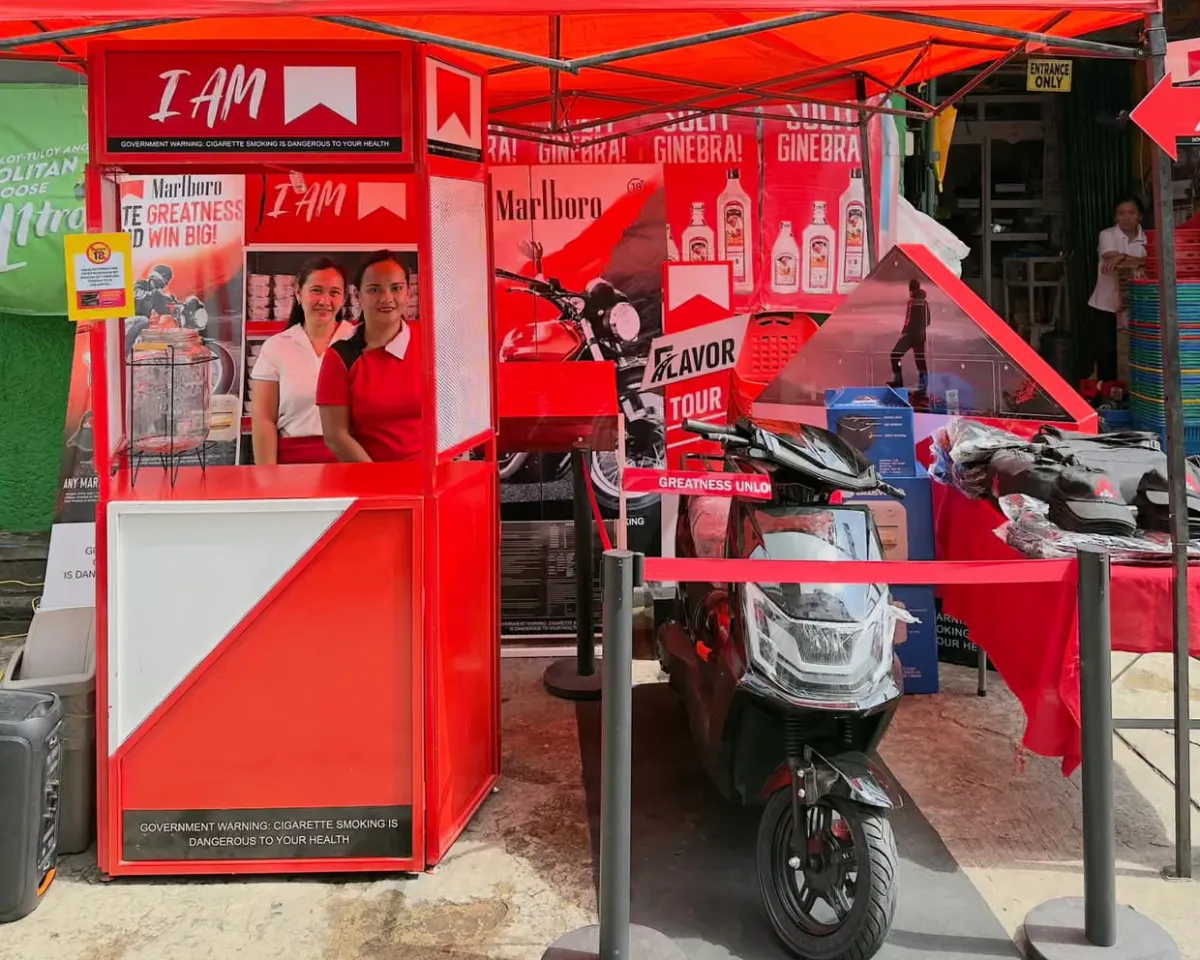
The Guardian reports on this.
Anti-smoking campaigners have accused Philip Morris International of hypocrisy over Marlboro’s new global advertising campaign.
The campaign in question is “I AM Marlboro”, which includes billboards, TV adverts and online content.
Tobacco industry experts believe the campaign may be aimed at attracting a young audience.
According to The Guardian, roadside kiosks in the Philippines selling Marlboro cigarettes are running competitions offering the chance to win a scooter or campaign-branded merchandise upon purchasing cigarettes.
In Indonesia, a TV advert shows young people climbing mountains and rehearsing with a rock band.
Philip Morris International has applied for or already owns trademarks related to the campaign in around 20 countries. These include Indonesia, Morocco, Bangladesh and Germany.
Criticism of the Marlboro campaign
Three years ago, PMI’s CEO Jacek Olczak stated that “cigarettes belong in museums” and that the company was moving towards alternatives, particularly vapes.
At the same time, Mark Gerli, Vice President of the Campaign for Tobacco-Free Kids, stated that the company cannot simultaneously talk about moving away from cigarettes and launch a global campaign that makes Marlboro part of young people’s self-identity.
“The campaign exploits young people’s search for identity, belonging and self-expression and links this to Marlboro cigarettes,” said Hurley.
According to him, for a company that claims to be moving “beyond cigarettes”, this looks not like a transition, but like an intensification of its work with the cigarette brand.
The new campaign echoes PMI’s previous “Be Marlboro” advertising, which was banned in Germany over a decade ago due to concerns that it appealed to teenagers.
Jorge Alday, Director of Stopping Tobacco Organizations and Products at Vital Strategies, stated that the “I AM” campaign highlights a contradiction in Philip Morris International’s claims about wanting to stop selling cigarettes.
“If the company were serious about ending cigarette sales, it wouldn’t be advertising cigarettes,” Alday noted.
What they’re saying in Indonesia
Lisdah Sundari, head of the Indonesian foundation Lentera Anak, said the campaign is highly visible in the country.
According to her, it is not just the cigarette brand itself that is cause for concern, but also the way the advertising links smoking with identity, self-expression, confidence, belonging and lifestyle.
Sundari noted that the slogan “I AM Marlboro” effectively presents the brand as part of a person’s personality or social identity.
In her view, this can have a particular impact on young people who are still in the process of forming their own identity.
She also emphasised that this is made even more sensitive by the role of social media – YouTube, Instagram and TikTok – in youth culture and social interaction.
Philip Morris International’s position
Philip Morris International rejects the allegations.
A company spokesperson stated that PMI is now a “fundamentally different company” than it was ten years ago.
According to him, in the first quarter of 2026, 43% of PMI’s net revenue came from smoke-free products.
The company also noted that its supply of smoke-free products has grown every year, and over the last 10 years, PMI has sold 240 billion fewer cigarettes.
The company emphasised that its marketing is restricted to an adult audience and is subject to an internal marketing code and legal requirements designed to prevent advertising from targeting young people or being accessible to them.
As reported by ThePublic, the UK Parliament has approved a bill banning the sale of cigarettes to anyone born after 1 January 2009. If the bill receives royal assent, the country will become one of the first in the world to actively create a ‘smoke-free generation’.
Follow us on Telegram