Mobilisation in Ukraine is set to change: the Territorial Recruitment Centres will adopt a new approach

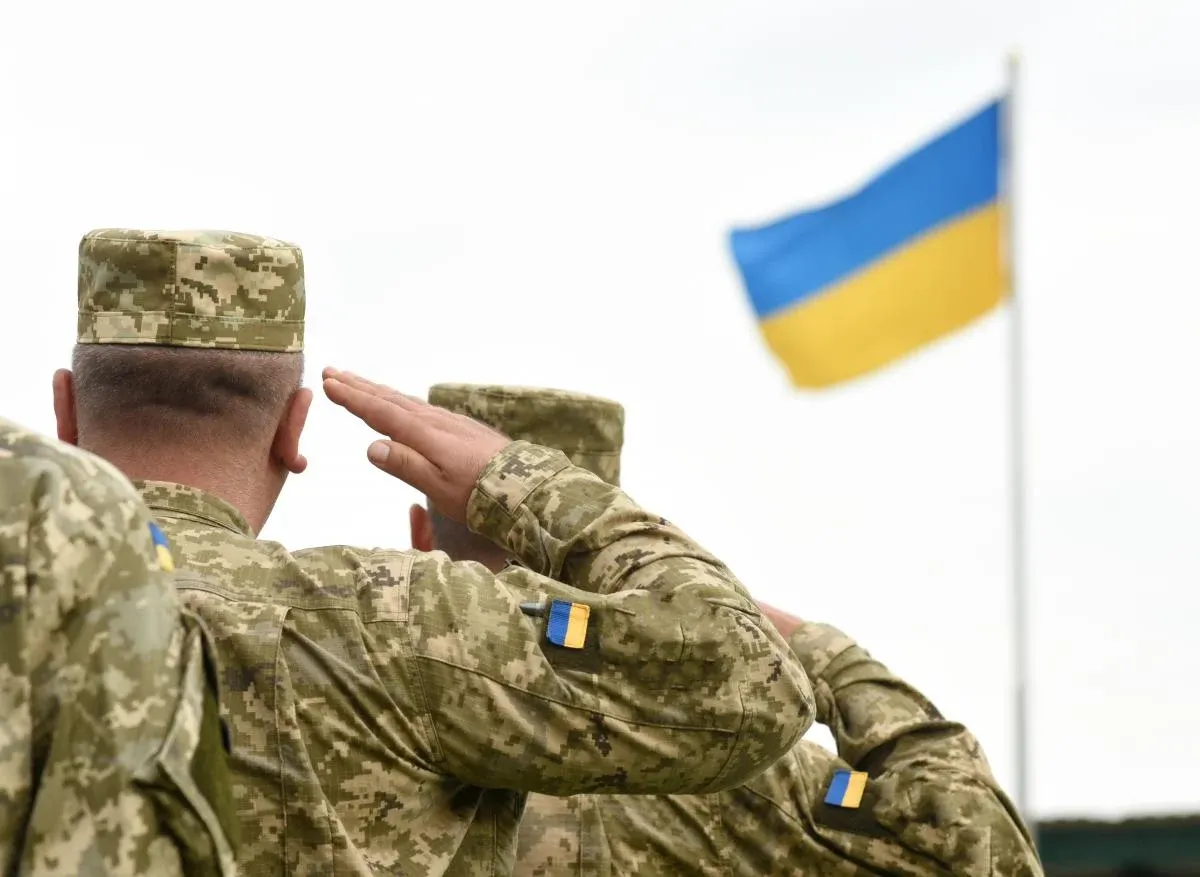
This was reported by the Ukrainian Ministry of Defence in response to an enquiry from Hromadske.
The Ministry of Defence is working on a solution to rectify errors made during military medical examinations and prevent new cases in the future.
The ministry explained that the military medical examination procedure is gradually changing. In particular, the digitisation of this process and the optimisation of the rules for conducting medical examinations are ongoing.
“Active work is currently underway to analyse the errors and misunderstandings that occurred during medical examinations by military medical commissions at the Territorial Recruitment Centres and Specialised Medical Centres, and to develop a systematic solution that will allow us to rectify past mistakes and prevent new ones in the future,” the Ministry of Defence stated.
The Ministry also emphasised that the Military Medical Commission determines only fitness for military service. In the absence of complaints and medical records of illness, the commission may limit itself to basic tests and a medical examination.
If the Medical Commission’s conclusion does not reflect a person’s actual state of health, such a conclusion may be appealed through pre-trial proceedings.
What changes are coming to mobilisation and the work of the Territorial Recruitment Centres
The Ministry of Defence has stated that it is preparing specific measures to improve the quality of the mobilisation pool. These involve changes to the selection, medical screening and training systems.
One area of focus will be improving data exchange between the “Oberig” system and the databases of the National Police and the State Border Guard Service.
There are also plans to ensure the full functionality of the online portal in “Reserve+”. This should make it possible to update contact details and place of residence without having to visit the TCC or SP in person.
Separately, the Ministry of Defence mentions giving medical examiners access to patients’ digital medical records in civilian healthcare facilities. According to the ministry, this will allow for a more objective assessment of health status and help avoid errors when determining fitness for service.
Another change is the shift from mass conscription to the principle of professional suitability. The Ministry of Defence has noted that the TCCs should prioritise recruiting specialists in specific fields in line with the current needs of the Ukrainian Defence Forces’ units.
The “Oberig” system is set to display information on the conscript’s civilian profession, education and actual state of health.
In addition, the Ministry of Defence wishes to establish a clear mechanism for cooperation between the TCCs, the National Police and military command bodies.
“This is necessary to implement a targeted notification system for conscripts, which will increase the effectiveness of mobilisation measures and reduce social tension,” the Ministry of Defence emphasised.
Martial law and mobilisation extended
On 30 April, President Volodymyr Zelenskyy signed two laws extending martial law and general mobilisation until August 2026.
Earlier, the Verkhovna Rada had supported the presidential bill to extend martial law in Ukraine until 2 August 2026. The decision was backed by 315 members of the Ukrainian parliament.
As reported by ThePublic, the command of the Ukrainian Armed Forces’ Land Forces officially denied reports of preparations for the compulsory mobilisation of women. The military emphasised that such reports in the media are manipulative and are being used by the enemy to destabilise society
Follow us on Telegram