The IMF will not insist on VAT for sole traders at this stage – Svyrydenko

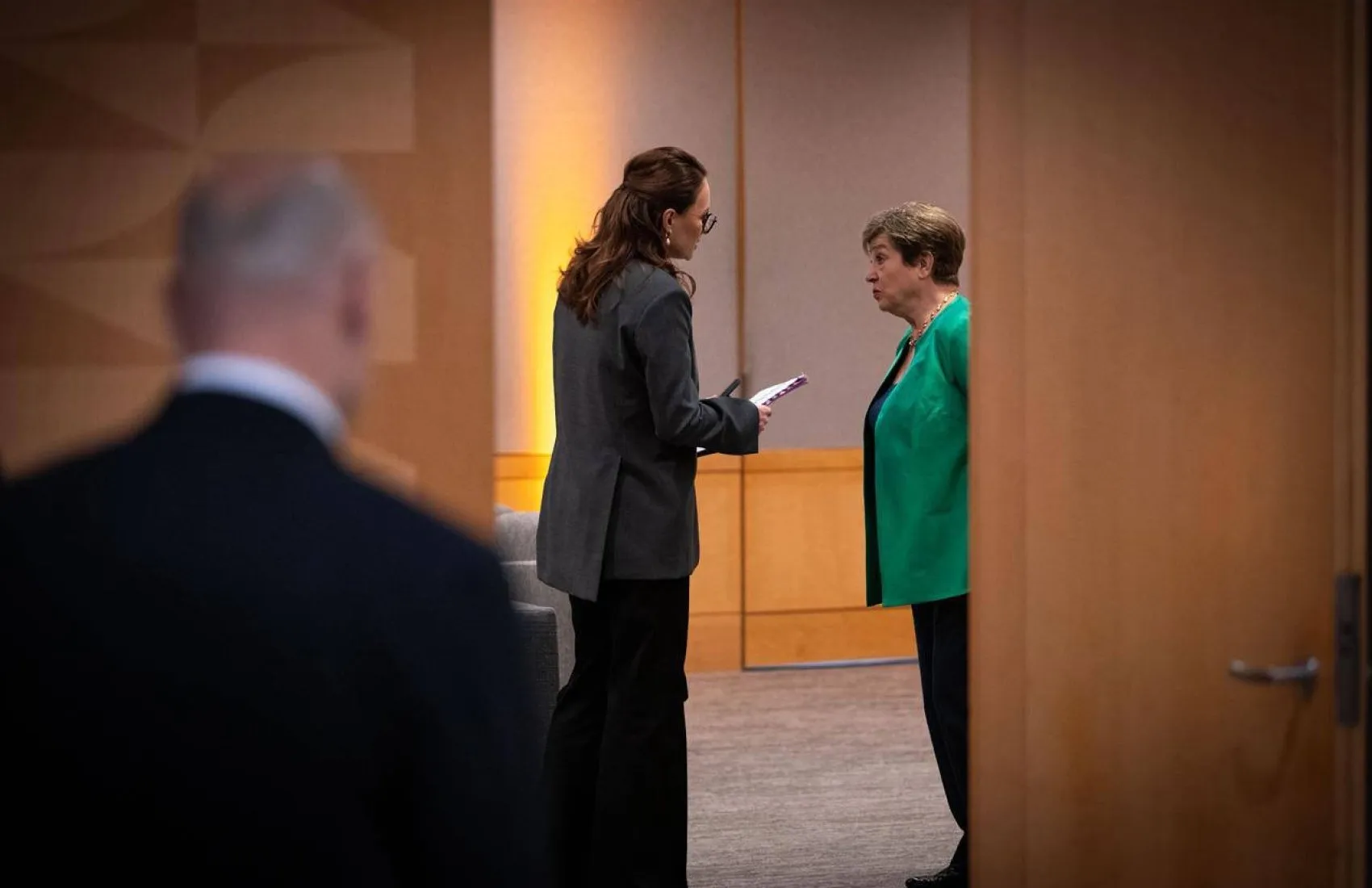
This was reported by Yulia Svyrydenko and MP Yaroslav Zheleznyak.
Svyrydenko said that during a trip to Washington, the Ukrainian delegation, together with the IMF and European partners, discussed how to secure state budget revenue for 2027. According to her, the Fund agreed that the idea of VAT for sole traders is too sensitive for both society and parliament, and is therefore “not constructive”. The Prime Minister added that Ukraine would seek other solutions to fill the budget.
Meanwhile, MP Yaroslav Zheleznyak stated that, in his view, the issue had not been resolved definitively, but merely postponed. According to him, the updated text of the memorandum with the IMF, expected in July, will provide the real answer, whilst the government must also separately demonstrate exactly what measures it plans to use to balance the budget for 2027.
The new four-year $8.1 billion EFF programme for Ukraine was approved by the IMF Executive Board on 26 February 2026, and Ukraine received the first tranche of $1.5 billion on 3 March. The Fund’s documents, published following the programme’s approval, referred to the expansion of the VAT base: Ukraine committed to abolishing the VAT exemption from 1 January 2027 for taxpayers under the simplified system whose turnover exceeds the general VAT registration threshold, with the new threshold to remain below 4 million hryvnias.
The IMF mission began negotiations with Ukraine against the backdrop of unpopular tax changes for small businesses, and the package of legislative amendments linked to the programme was critical for subsequent funding reviews. Thus, the very issue of VAT for some sole traders was not a political ploy, but part of the broader tax logic of the Fund’s new programme.
It is also worth noting that in February, the IMF did indeed soften some of its initial demands: certain tax and customs measures ceased to be ‘prior actions’ for the programme’s approval. But this did not mean the issue automatically disappeared from the negotiations, as some decisions were shifted to the realm of future structural milestones and subsequent reviews. That is precisely why Svyrydenko’s current statement appears more like a political and negotiating softening of the Fund’s position, rather than the issue being dropped for good. The
first review of the IMF’s new programme for Ukraine is scheduled for June 2026. If it is successfully passed, Ukraine could receive the next tranche of $686 million. It is by this review that Kyiv must demonstrate how it will fulfil the programme’s tax and other obligations without the decision that the government currently deems too sensitive.
As reported by ThePublic, an updated procedure for information exchange in the field of financial monitoring came into force in Ukraine on 2 February 2026. For banks, insurance companies, notaries, auditors, estate agents, gambling operators and other entities subject to primary financial monitoring, this means new reporting rules, a switch to an electronic portal and a stronger focus on high-risk transactions.
Follow us on Telegram