NATO launches Arctic Sentry mission to enhance security in the Arctic

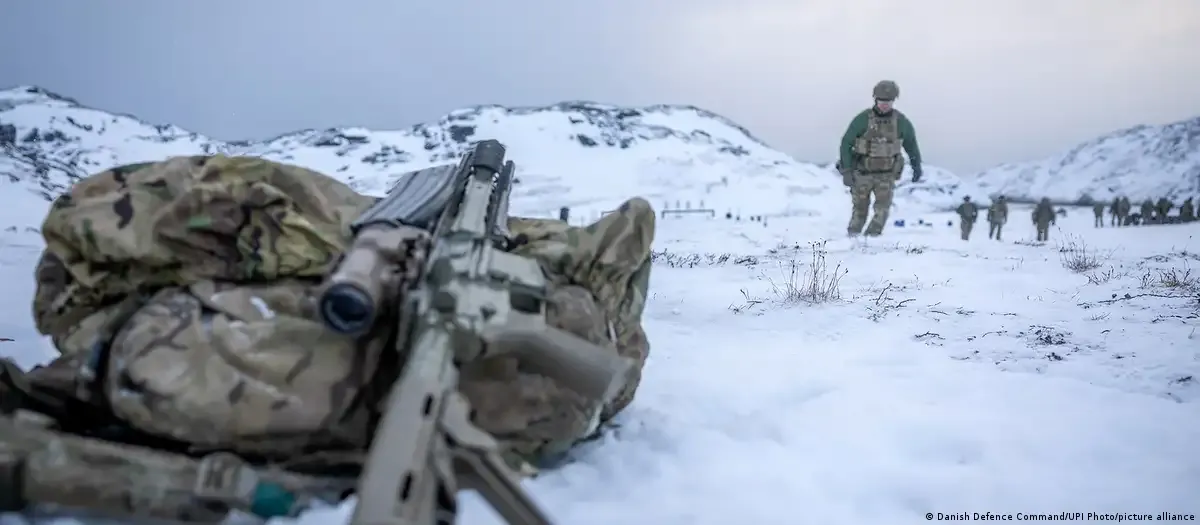
On 11 February, NATO officially launched a new military initiative called Arctic Sentry. This was announced by the Alliance's headquarters. The aim of the operation is to strengthen security in the Arctic region and coordinate the actions of allies in response to Russia's growing military activity and China's expanding interests.
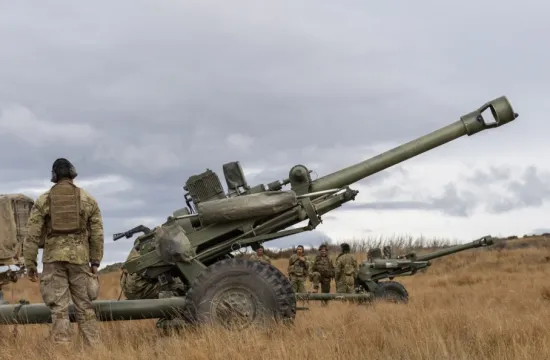
In its initial phase, Arctic Sentry will combine already planned national exercises by NATO member countries. These include the Danish Arctic Endurance and Norwegian Cold Response exercises. Tens of thousands of military personnel and a significant amount of equipment adapted to operate in extreme Arctic conditions will take part in these events.
At the same time, the operation does not involve the permanent or long-term deployment of troops under the NATO flag. Coordination will be carried out by headquarters in Norfolk, USA. According to Alexus Grinkevich, Supreme Allied Commander Europe, the initiative demonstrates the Alliance's commitment to protecting its members and supporting stability in one of the most strategically important regions of the world.
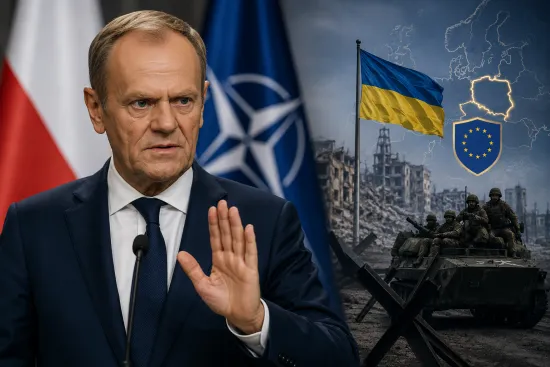
During a press conference in Brussels, NATO Secretary General Mark Rutte stressed that due to Russia's increased military activity and China's growing interest in the Far North, the Alliance can no longer ignore the Arctic. According to him, Arctic Sentry will allow allies to synchronise their efforts and create a comprehensive picture of potential challenges in the region.
Particular attention will be paid to strengthening maritime patrols in the Norwegian Sea, as well as in the area between Greenland, Iceland and the United Kingdom, which NATO refers to as the GIUK Gap. The possibility of testing new unmanned surveillance systems capable of operating in harsh weather conditions is also being considered.
The initiative is being implemented against the backdrop of intensifying discussions about Greenland's security. Earlier, US President Donald Trump insisted on strengthening the role of the United States in the region, which caused tension in relations with Denmark. According to Western media, some allies see Arctic Sentry as a signal to Washington that the Alliance is capable of ensuring Arctic security on its own without unilateral steps.
At the same time, individual countries are strengthening their military presence in the North. The United Kingdom has already announced that it will double its military presence in Norway from 1,000 to 2,000 troops over three years. Some of them will take part in the Lion Protector exercises in September. France and Germany have also confirmed their participation in the exercises, but have not yet specified the exact number of troops.
NATO emphasises that the melting of glaciers is opening up new sea routes, which increases the strategic importance of the Arctic and creates additional security risks for the entire North Atlantic Alliance.