Do not connect this to a generator: 5 dangerous devices

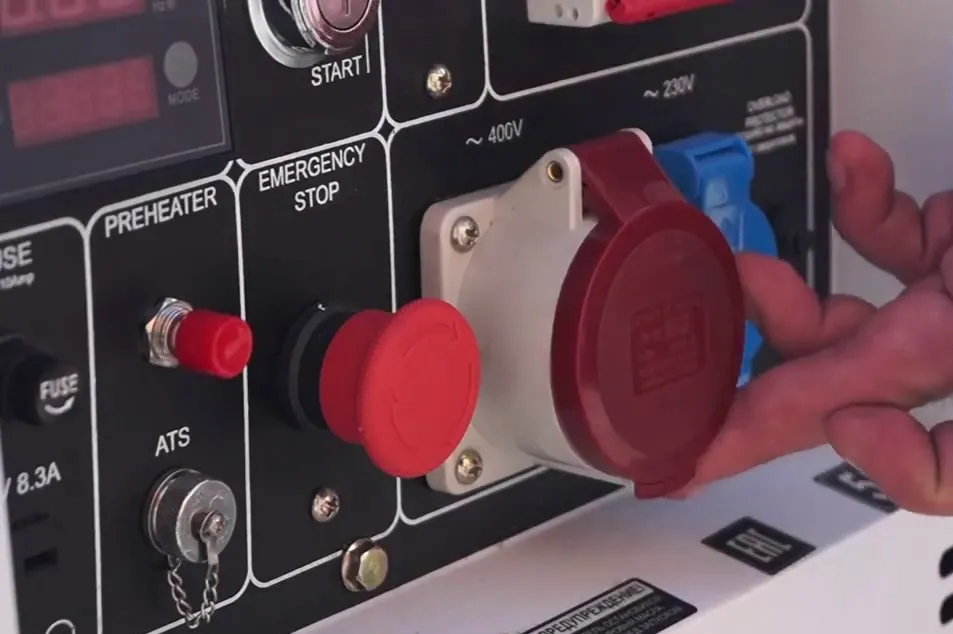
Generators have become an important source of backup power for both homeowners and travellers. Stationary models help you survive power outages, while portable models allow you to use electrical appliances on the go.
At the same time, the use of a generator is not limited to simply connecting equipment. Incorrect operation can damage both the device itself and the connected appliances.
Connecting certain powerful devices, such as air conditioners or heaters, may exceed the generator's capacity. In addition, sensitive electronics can be damaged by unstable voltage. Therefore, when using a generator at home, it is recommended to connect only the most necessary appliances and take into account its power.
Air conditioning systems
During hot weather, it is natural to want to turn on the air conditioner. However, central air conditioning systems consume a lot of electricity, especially when starting up.
Such systems cool the entire house, so their energy consumption significantly exceeds the capabilities of small generators. Connecting to an insufficiently powerful device can lead to damage to both the generator and the air conditioner itself. Even more powerful generators cannot always withstand such a load.
Sensitive electronics
Power from a generator is not always stable. Some models produce so-called "dirty" energy — with voltage fluctuations and unstable current.
This poses a risk to sensitive equipment, such as computers and laptops. Voltage fluctuations can damage the internal components of devices or completely disable them.
Using a mains filter or a generator with a "clean" sine wave helps to reduce the risks, but even in this case, it is important not to exceed the permissible load.
Room heaters
During winter power outages, many people try to connect a heater. Formally, this is possible, but not always safe.
Heaters consume a significant amount of electricity and require a stable power supply. If the generator has insufficient power or operates with unstable voltage, this can cause it to overload or the heater to malfunction.
Washing machines and dryers
Washing machines and dryers are among the most energy-intensive household appliances. They require significant power to start and complete a full cycle.
The dryer consumes a particularly large amount of energy due to the presence of a heating element. It can create a serious load even for powerful generators.
A washing machine also requires a water supply, which means additional work for the pump, which also consumes electricity. In most cases, a generator is not capable of efficiently powering all of these systems at the same time.
Cheap extension cords
Generators usually have several sockets, but sometimes it is necessary to use extension cords.
In this case, it is important to use high-quality cables designed for high loads. Cheap extension cords may not be able to withstand the current, leading to overheating or damage to the equipment.
Using poor-quality cables with a generator poses a real risk to equipment and safety.