Oil exports from the Persian Gulf have fallen sharply following the resumption of attacks between Iran and the US

Margarita Kravchenko
Margarita Kravchenko Journalist
Oil exports from the Persian Gulf have fallen sharply following the resumption of attacks between Iran and the US
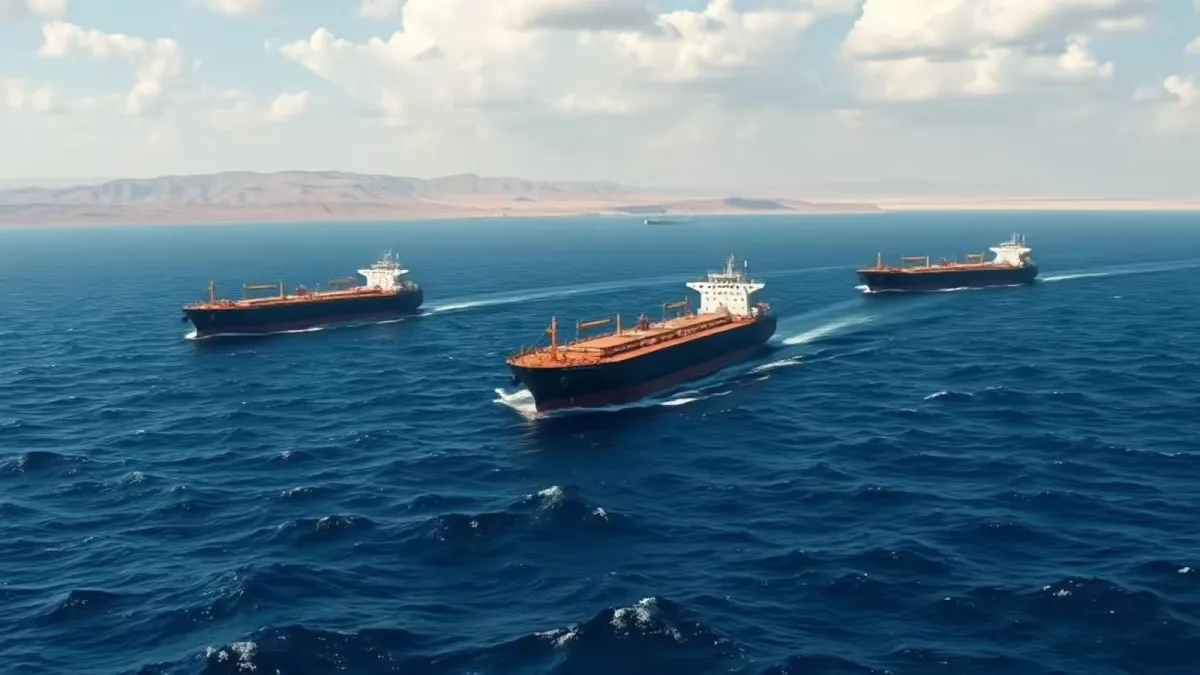
Tanker in Strait of Hormuz Photo The Economic Times
Following the resumption of hostilities between Iran and the US, shipping traffic through the Strait of Hormuz has fallen sharply. At the same time, Iran continues to export oil, although the ultimate fate of these shipments remains unknown.

Following Iran’s attacks on ships – after which US President Donald Trump declared the ceasefire over and the United States launched strikes on Iranian territory – shipping through the Strait of Hormuz has virtually ground to a halt.

According to Bloomberg, on Thursday there was virtually no ship traffic on the route along the southern coast of Oman, which is supported by the US and the UN’s International Maritime Organisation. Only one supertanker left the Persian Gulf to enter the Strait of Hormuz.

The decline in activity began as early as Wednesday, when around 20 vessels passed through the strait in both directions. According to Kpler, in the three weeks following the agreement between the US and Iran to reopen the route, the average daily figure stood at 34 vessels, with a peak of 59 vessels recorded on 24 June. Before the war began, around 135 vessels passed through the Strait of Hormuz every day.

Despite the reduction in shipping traffic, Iran continues to export oil. Over the past 24 hours, four supertankers and one smaller tanker have transported a total of 11 million barrels of oil. According to Bloomberg’s estimates, this roughly corresponds to the pre-war weekly export volume.

At the same time, it is unclear whether this oil will find buyers or remain on board the tankers, which could be used as floating storage facilities. The day before, Donald Trump revoked the licence that had temporarily suspended the sanctions and allowed the purchase of Iranian oil.

The price of Brent crude, which had risen above $80 per barrel on Wednesday, fell to $76.8 on Thursday.

According to estimates by ING Bank, at the end of June, tankers were transporting around 6–7 million barrels of oil per day out of the Persian Gulf. The bank believes that, given the redirection of some export flows by Saudi Arabia and the United Arab Emirates via pipelines, it would be sufficient to increase supplies to around 14 million barrels per day to return to pre-war volumes.

Follow us on Telegram

Share tittle
Economy
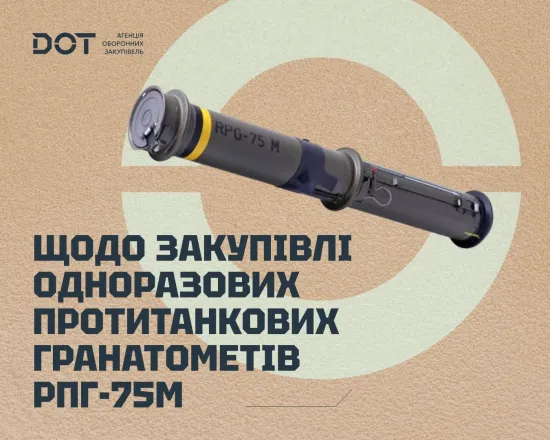
AOZ explained the purchase of grenade launchers following the SBU searches
Economy

AOZ explained the purchase of grenade launchers following the SBU searches

The Defence Procurement Agency has explained why the contract for RPG-75M single-use anti-tank grenade launchers was awarded to the supplier who offered the lowest price. The statement came following searches carried out in connection with the procurement of 6,000 grenade launchers worth 637 million hryvnias, in which investigators estimate potential losses at 318.5 million hryvnias.

10.07.2026
Sweden has contributed over €124 million to the Ukraine Energy Support Fund ahead of winter
Economy

Sweden has contributed over €124 million to the Ukraine Energy Support Fund ahead of winter

Sweden has transferred €124.1 million to the Ukraine Energy Support Fund. As a result, the country’s total contribution to the fund has exceeded €386 million, whilst the support mechanism itself has surpassed the €2 billion mark since its inception.

09.07.2026
Russia has banned the export of diesel fuel and is starting to import petrol
Economy

Russia has banned the export of diesel fuel and is starting to import petrol

On 8 July, the Russian government introduced a temporary ban on diesel fuel exports and announced that it would begin importing petroleum products. The authorities attribute this decision to the difficult situation on the fuel market following damage to a number of oil refineries.

09.07.2026
SkhidGZK is set to receive 555 million hryvnias from Energoatom: what will change at the company
Economy

SkhidGZK is set to receive 555 million hryvnias from Energoatom: what will change at the company

The State-owned Eastern Mining and Processing Plant is to receive 555 million hryvnias in repayable financial assistance from Energoatom. The funds are to be used to modernise the enterprise, increase uranium ore extraction and boost the production of uranium oxide concentrate.

09.07.2026
Legal cigarette manufacturers have not seen any impact from the ESBU’s work, as the black market is growing, according to Forbes
Economy
  • Important

Legal cigarette manufacturers have not seen any impact from the ESBU’s work, as the black market is growing, according to Forbes

Business representatives consider the impact of the ESBU’s work to be insignificant, as, despite the agency’s claims that an illegal cigarette factory has been shut down, the black market in Ukraine continues to grow rapidly. According to Kantar Ukraine, it has reached 19.8 per cent. The Bureau describes these findings as “premature”.

09.07.2026