Orbán bases his election campaign on anti-Ukrainian messages

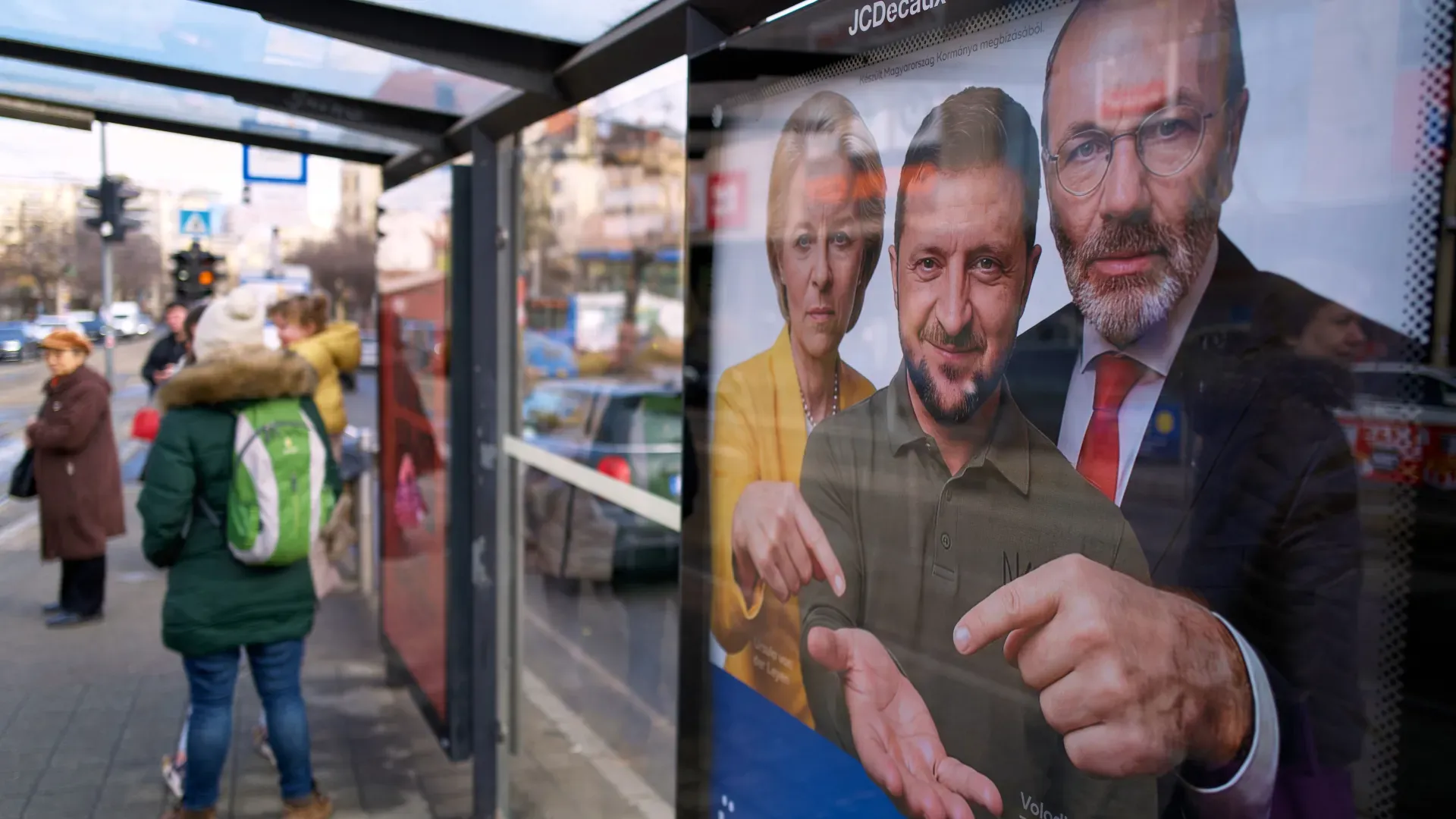
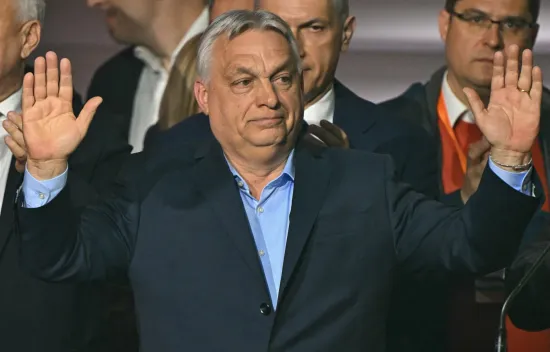
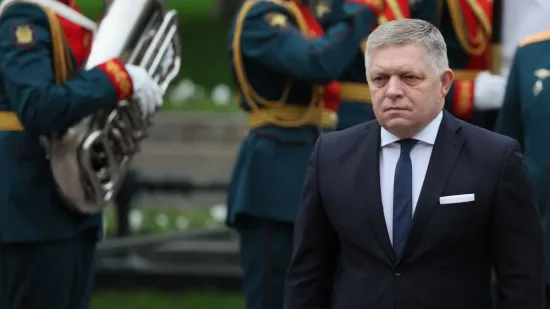
Viktor Orbán, considered the Kremlin's closest ally in the European Union, is actively campaigning against supporting Ukraine in its war against Russia. He claims that such a position could lead to Hungary's economic decline and drag its citizens into the fighting. This was reported by The Public with reference to The Hill.
Billboards with images of Volodymyr Zelenskyy alongside European officials have been placed throughout the country. They feature an inscription addressed to Brussels stating that Hungary will not pay. The campaign also includes advertisements on radio, television and social media. A letter with a petition sent to all voters claims that financial aid to Ukraine will lead to economic losses for the country.
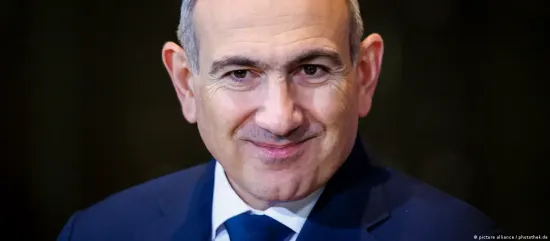
Orbán, who returned to power in 2010, is running in the 12 April elections. According to independent polls, his Fidesz party trails new centrist rival Péter Magyar and his Tisza party. Magyar, a former Fidesz representative, has focused his campaign on rising living costs, social policy and the fight against corruption.
On 24 February, Hungary blocked a new package of EU sanctions against Russia after disruptions to Russian oil supplies through Ukraine and said it would veto further decisions in support of Ukraine until supplies were restored. Last week, the government also threatened to block a €90 billion EU loan to Kyiv.
Orbán calls his cooperation with Vladimir Putin pragmatic, explaining it by Hungary's energy dependence. At the same time, his policies towards the media, civil society organisations and critics have led to accusations of authoritarian tendencies.
On 24 February, a rally in support of Ukraine was held in Budapest with the participation of Hungarians and Ukrainian refugees. The marchers carried Ukrainian and Hungarian flags and chanted anti-war slogans.
Budapest Mayor Gergely Karácsony said that Orbán's policy was contrary to Hungary's national interests. Esther Zhivatovskaya, a student from Odessa studying in Budapest, called the images on the billboards inappropriate and criticised the use of artificially created images in the election campaign.