Memory that does not fade: in Ukraine, the Day of Remembrance for the Victims of the Holodomor is observed
«The greatest aftereffect of the Holodomor, which Ukrainian society still faces, is that it is not yet the past. Three to four generations after the survivors are experiencing the impact of transgenerational trauma».
— Oksana Zabuzhko
Every year on the fourth Saturday of November, Ukraine commemorates the victims of the Holodomors and mass artificial famines of the 20th century. In 2025, the Day of Remembrance fell on November 22 — as reminded by ThePublic.info in their article.
This day is a national day of mourning for millions of Ukrainians whose lives were taken by artificially created famines in 1921–1923, 1932–1933, and 1946–1947. The most extensive of these was the 1932–1933 Holodomor, which historians recognize as one of the greatest crimes of the Soviet totalitarian regime.
Forced collectivization, grain confiscation, prohibition of leaving famine-affected areas, as well as repressions against those who resisted — all of these led to the death of millions and attempts to destroy Ukrainian identity.
Today, 36 countries worldwide have officially recognized the Holodomor as genocide of the Ukrainian people. This is not only historical rehabilitation — but also a testament that the memory of the crimes of the totalitarian regime extends far beyond Ukraine.
Other mass famines — 1921–1923 and 1946–1947 — also had political motives and resulted from repressive policies of the Soviet authorities. They left a deep mark on societal memory and continue to influence several generations of Ukrainians.
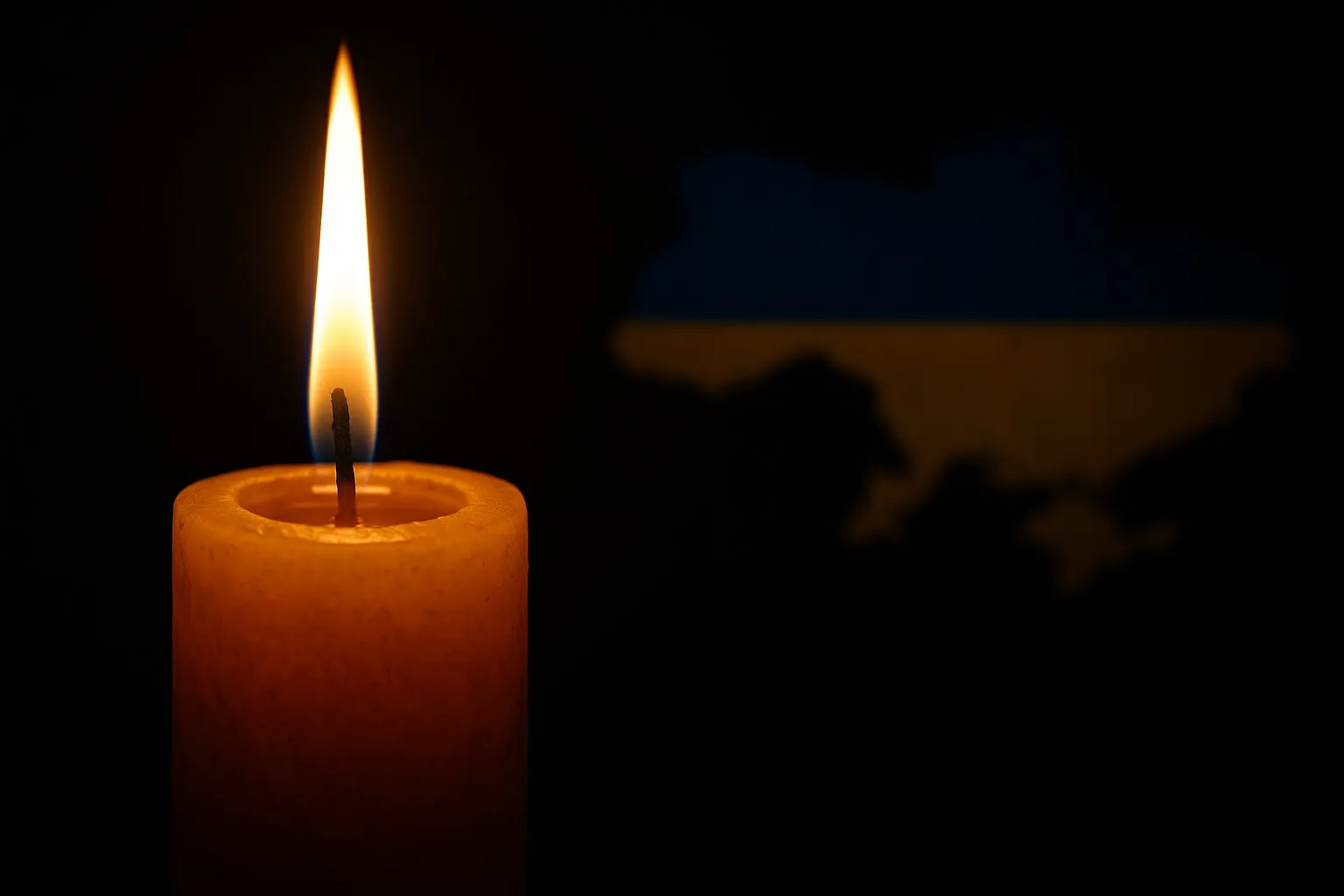
A traditional part of this day is the nationwide action «Light a Candle». At 4:00 PM, Ukrainians place a lit candle in their window — as a symbol of remembrance for the fallen and unity in mourning. Ukrainian communities in many countries around the world also participate in the action.