Crossing the border with children in 2026: what has changed for parents and relatives

This is reported by VisitUkraine, citing current legislation.
Prior to the full-scale invasion, a legally formalised consent from the other parent was required for a child to travel with one parent. During the period of martial law, this procedure was abolished for security reasons.
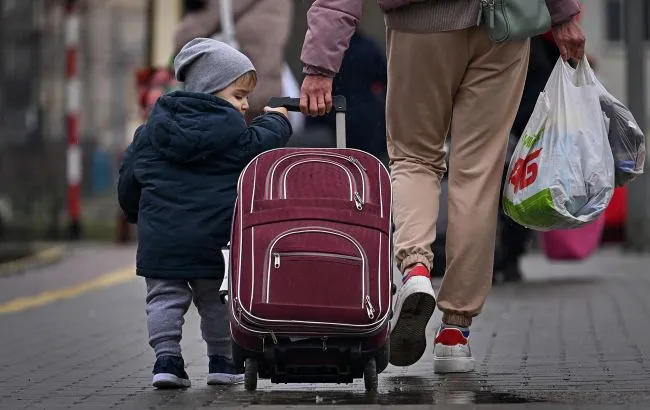
Persons under the age of 16 are permitted to cross the border only when accompanied by an adult. If the child is accompanied not by a parent but by another authorised person, a notarised document specifying the accompanying person must be provided. When travelling with close relatives (grandmother, adult sister, stepfather, etc.), it is sufficient to present documents officially confirming family ties.
List of documents required for crossing the border:
-
birth certificate (if the child does not have a passport);
-
the child’s passport (if available);
-
ID card (for travel to Turkey or Georgia, where entry is permitted with domestic documents).
Once they reach the age of 16, teenagers are entitled to travel abroad independently. They do not need any permission from their parents for this — having their own passport is sufficient.
A special procedure applies to orphans and children deprived of parental care. According to the ‘Free Legal Aid’ resource, travel abroad by these categories must be approved by the military administration. If it is not possible to obtain confirmation from the administration, a request can be submitted to the National Social Services. For children in care homes, the presence of the head of the institution or another officially authorised person is mandatory.