Preparing elections in time of war: positions of the working group speakers

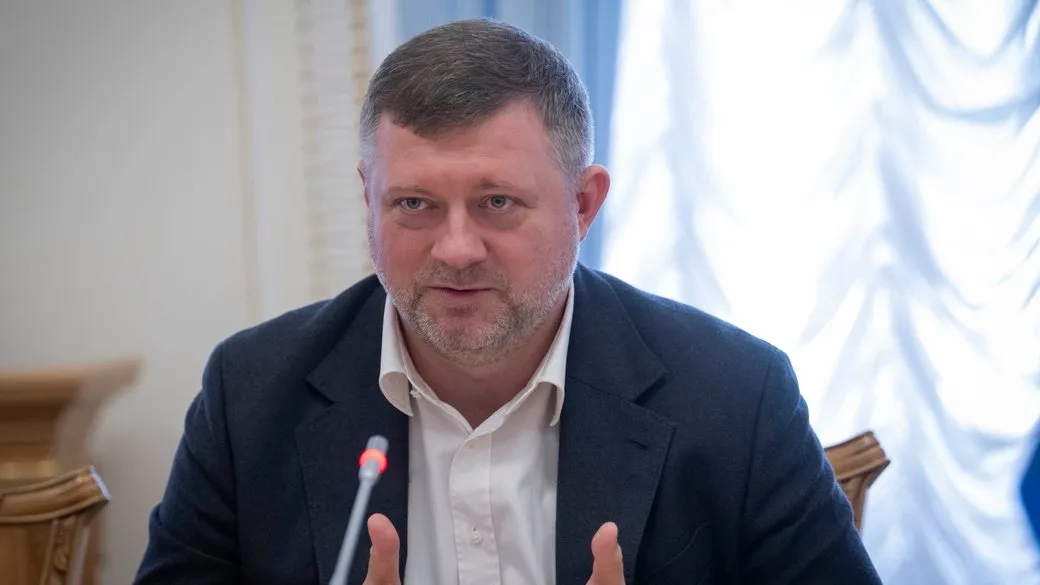
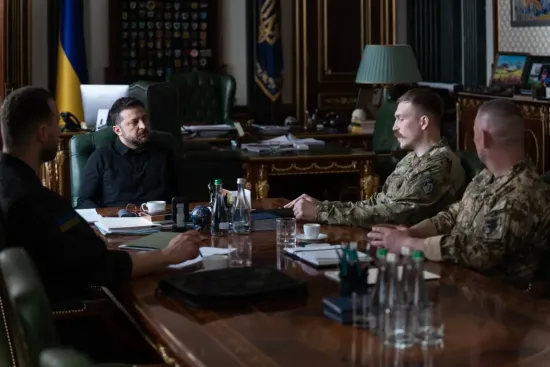
The Verkhovna Rada Working Group on the preparation of legislative proposals on the organisation and conduct of elections under martial law and after the war held a constituent meeting. During the discussion, participants outlined key challenges and different approaches to future electoral procedures.
Position of Oleksandr Kornienko
The First Deputy Speaker of the Verkhovna Rada and Chairman of the working group said that the next meeting will be held before 9 January 2026, tentatively on 6 or 8 January. According to him, about a third of polling stations in Ukraine have been physically destroyed as a result of Russian aggression. A significant part of them are located in the temporarily occupied territories or in areas that have been hit by missile and drone strikes on dormitories, hospitals and other facilities where polling stations used to operate.
Data from the Central Election Commission of Ukraine
The head of the CEC Oleg Didenko clarified that as of 25 December 2025, 33,174 polling stations were registered in Ukraine. Of these, 521 were located in buildings that were completely destroyed and cannot be restored, 1,391 polling stations have damaged but restorable premises. Another 6,472 polling stations are located on the temporarily occupied territory, and there is no information on their condition. In addition, 52 polling stations are located in buildings with an uncertain level of damage. Didenko also reminded that about 140 thousand square kilometres, or 23 per cent of Ukraine's territory, remain mined.
The position of David Arakhamia
The head of the Servant of the People faction said that the working group should answer the question of the possibility of hybrid voting, i.e. a combination of online and offline formats. In his opinion, electronic voting could partially solve the problems of participation of internally displaced persons and Ukrainian citizens who are abroad due to the war.
The position of Yulia Tymoshenko
The leader of the Batkivshchyna faction stressed that the Constitution of Ukraine explicitly prohibits the holding of elections and referendums during martial law. She suggested that the working group should clearly state that no elections should be held until the war is over. Tymoshenko also opposed electronic voting and voting through Ukrposhta, considering them to pose a risk of fraud. In her opinion, the group should prepare exclusively for post-war elections.
The position of Olga Aivazovska
The head of the board of the civil network OPORA believes that elections should not be part of any peace agreement, as it calls into question the sovereignty of the state. She noted that elections are included in agreements mainly in cases of civil wars, not international armed conflict. Aivazovska also sharply criticised the idea of online voting, stressing that it carries political and security risks and does not allow for the secrecy of the vote to be guaranteed with a high level of confidence.