Radev’s pro-Russian “Progressive Bulgaria” party is leading in the elections – exit polls

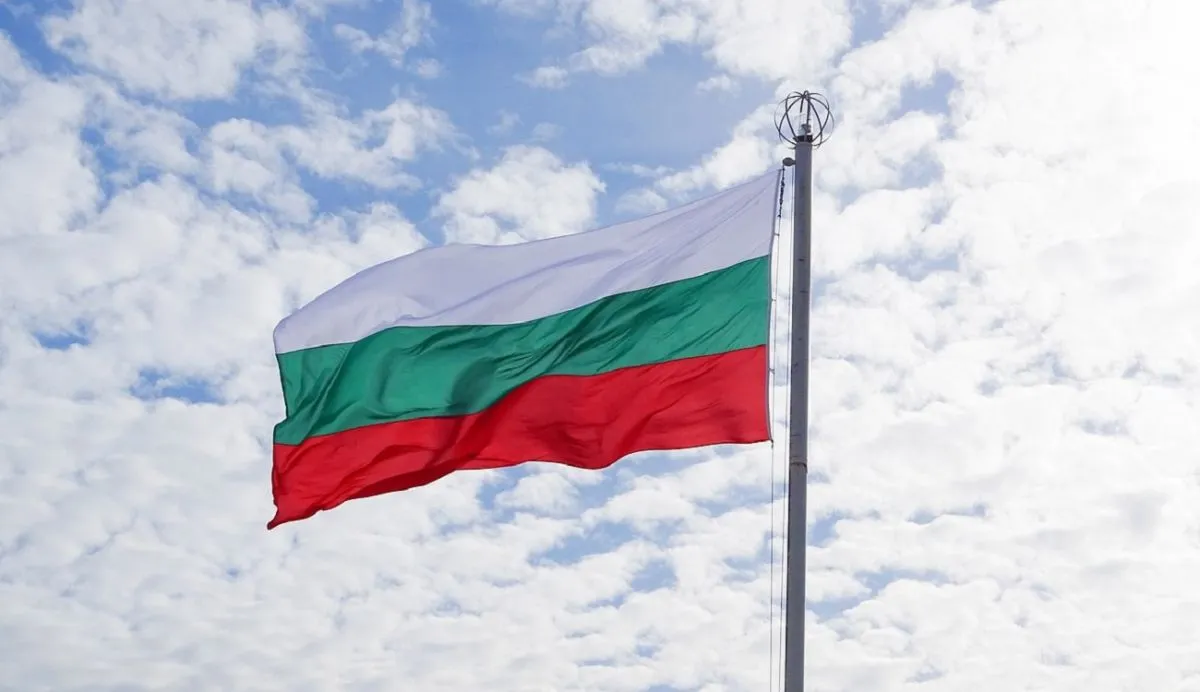
This is reported by Reuters and AP.
According to Reuters, an Alpha Research exit poll put “Progressive Bulgaria” at 37.5% of the vote. The AP, citing a Trend Research exit poll, gives an even higher figure – 39.2%. In both cases, this represents a clear lead for Rumen Radev’s coalition over its main rivals.
AP reports that the centre-right GERB party is in second place with 15.1%, whilst voter turnout stood at 43.4%. According to the agency’s assessment, six political forces could enter the new parliament, which once again makes the question of coalition-building key to forming a government.
Despite the significant lead, this result may not be enough to form a government alone. AP notes that Radev will most likely have to seek coalition partners, and Bulgaria itself risks entering into complex negotiations over a majority once again.
Eighth election in five years
This is already the eighth election in Bulgaria in the last five years. Reuters and AP point out that the country is in the midst of a protracted political crisis, and the snap election took place following the resignation of the previous government amid protests and prolonged distrust of the political system. Corruption and the weakness of institutions remain among the main themes of Bulgarian politics.
Reuters specifically noted that Rumen Radev is known for his pro-Russian stance. The agency reported that he opposes military aid to Ukraine, criticises the EU’s rejection of Russian energy supplies and calls for the resumption of dialogue with Moscow. AP also notes that, although Radev condemned the Russian invasion, he has consistently opposed military support for Kyiv.
Even before polling day, Reuters reported widespread fears of voter bribery and manipulation. According to the agency, the Bulgarian Ministry of the Interior had received over 1,000 reports of possible violations ahead of the election, and the police had carried out hundreds of arrests in cases linked to vote-buying.
Thus, even the clear lead of “Progressive Bulgaria” in the exit polls does not mean an automatic end to political turbulence. Once the votes have been counted, Bulgaria is likely to face difficult coalition negotiations once again, and Radev’s result could signal both a domestic political shift and new debates over Sofia’s stance on Ukraine and Russia.
As reported by ThePublic, on 19 April, Bulgaria is holding its eighth parliamentary election in the last five years. The main focus is on former President Rumen Radev, whose new coalition, “Progressive Bulgaria”, is leading in the polls
Follow us on Telegram