Donald Trump's advisers call for a way to end the war with Iran

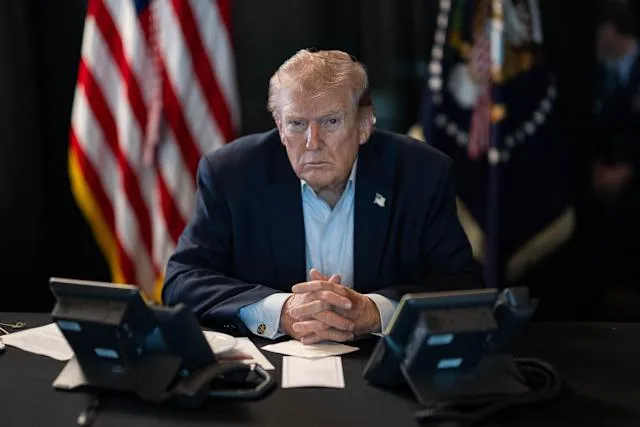
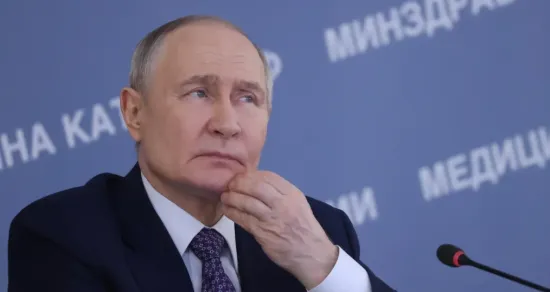
US President Donald Trump has stated that he is considering the possibility of a quick end to the war with Iran. Some of his advisers, in private conversations, are calling for a plan to end the conflict amid rising oil prices and fears about the political consequences of a protracted war.
Speaking to reporters in Florida, Trump said that the military mission had largely achieved its objectives.
"We are well ahead of schedule," he said, adding that he believes the war could end "very soon."
The president did not specify a specific timeline for the end of the operation. Responding to a question about support for the Iranian people who have opposed the government, Trump made it clear that he is inclined to end the fighting quickly.
"We want a system that can provide long-term peace, and if we can't have that, then it's better to end it now," he said.
Trump also said he was disappointed with the appointment of Mojtaba Khamenei, son of the late Ayatollah Ali Khamenei, as Iran's new supreme leader. According to him, this indicates that Tehran has no plans to back down.
Some administration officials note that it will be difficult for the US to get out of the war if Iran continues to attack countries in the region and Israel continues to strike Iranian targets.
Trump has stated that he is prepared to continue strikes against Iran if Tehran continues to block oil supplies through the Strait of Hormuz.
One senior administration official noted that the president will not stop the fighting until he can declare victory, especially given the US military's superiority.
White House spokeswoman Caroline Levitt said reports of concern among advisers were not true.
"This story is full of nonsense from anonymous sources who, I can guarantee, are not in the room with President Trump," she said.
"The president's closest aides are focused around the clock on ensuring that Operation Epic Fury continues to be extremely successful, and the commander-in-chief will ultimately decide when to end these operations."
Trump has made various assessments in his statements on the war. Last week, he said he was seeking Iran's "unconditional surrender" and did not rule out sending ground troops. On Monday, he told the New York Post that he was "far from" making such a decision.
After talking about a possible quick end to the war, the president added, "We could go further, and we will go further."
According to current and former US officials, Trump also raised the possibility of supporting the elimination of Mojtaba Khamenei if he refuses to comply with US demands.
The president's statements came amid sharp fluctuations in oil prices. Some advisers expressed concern about the economic consequences of the war and its impact on political support.
Some advisers urged the president to formulate a plan to end the conflict and declare that the main military objectives had already been achieved.
Trump received the results of opinion polls on the war. According to the published polls, the majority of Americans oppose the conflict.
Levitt said that Americans support the elimination of threats posed by the Iranian regime.
"The overwhelming majority of Americans support ending the threat posed by the Iranian regime and support the killing of terrorists, and that is what President Trump is going to do," she said.
Some advisers also expressed concern after oil prices exceeded $100 per barrel. According to sources, some Republicans are discussing the possible impact of war on the upcoming congressional elections.
Economic adviser Stephen Moore said that rising energy prices are affecting the economy.
"When gas and oil prices go up, everything else goes up. Given that affordability was already an issue, this creates real challenges," he said.
Trump said the US may lift some "oil-related sanctions" on certain countries to lower energy prices. He did not specify which countries he was referring to.
The president also said that the US would provide risk insurance for tankers operating in the region. According to him, the US Navy, together with its partners, could escort tankers through the Strait of Hormuz if necessary.
Trump also said he did not have enough information about the Tomahawk missile strike on a school in Iran that killed 175 people.
"I think that's what I've been told, that it's being investigated," he said.
The president added that he was prepared to accept the results of the investigation.
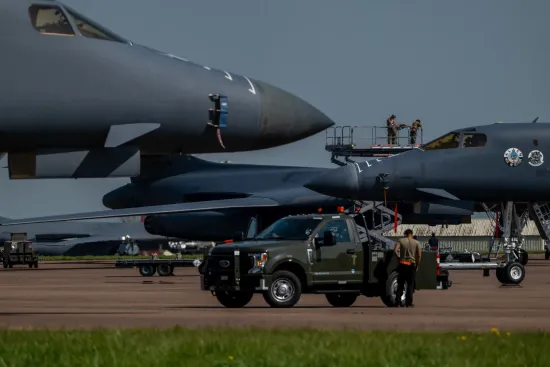
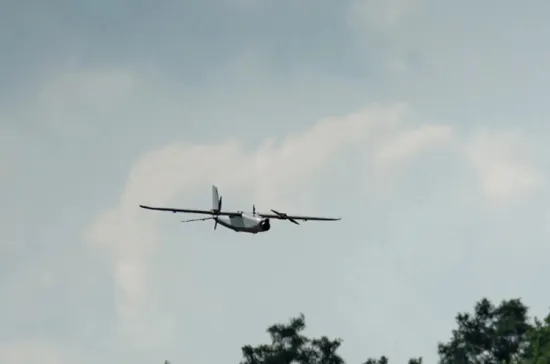
According to the US Central Command, since the start of hostilities on 28 February, Iran has launched strikes on US bases and targets in the region using missiles and drones.
Seven American soldiers were killed during the hostilities, and eight others were seriously wounded.
The US State Department reported that more than 36,000 US citizens have returned home from the region.