The EU and NATO’s response to the strikes on Iran has drawn criticism in Europe

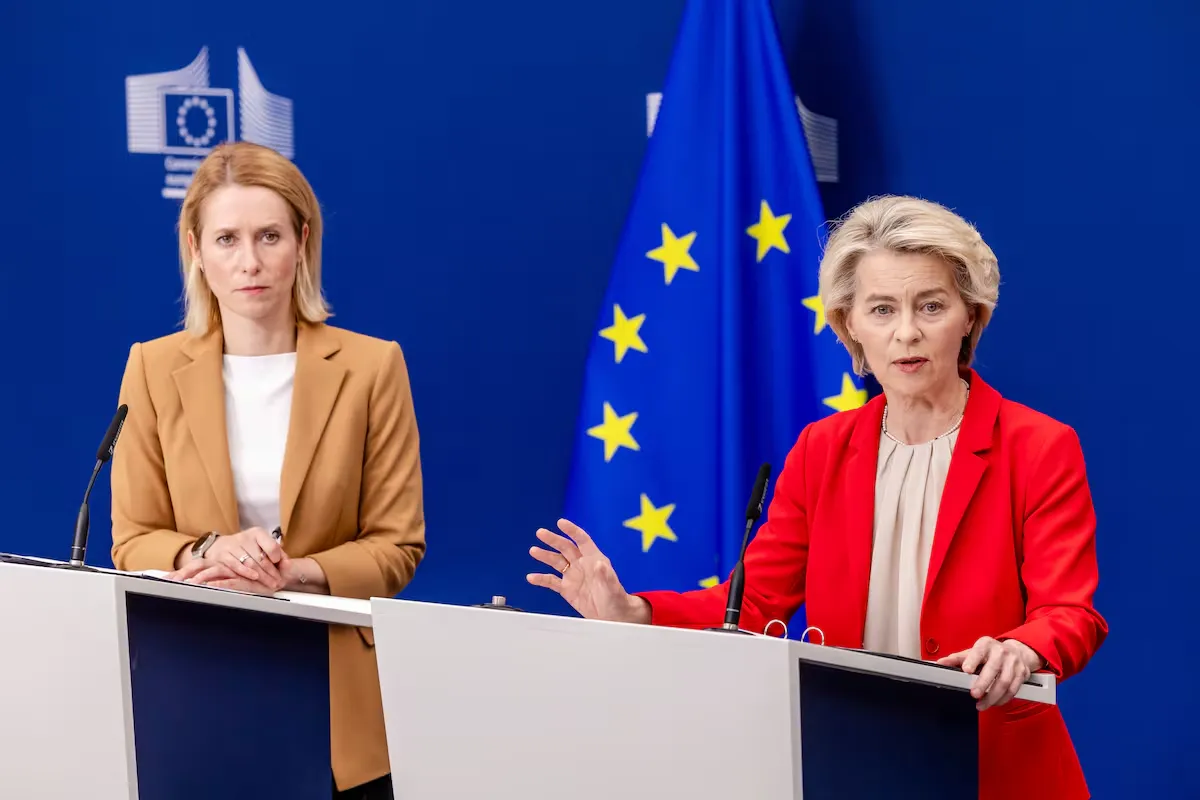
The El País article examines assessments of the actions taken by the leadership of the European Union and NATO against the backdrop of the conflict surrounding Iran. In particular, it criticises the positions taken by European Commission President Ursula von der Leyen, the EU’s High Representative for Foreign Affairs and Security Policy, Kai Kallas, and NATO Secretary General Mark Rutte.
Following the US and Israeli strikes on Iran, Mark Rutte stated in an interview that the operation was ‘critically important’ for security, and also spoke of ‘broad support’ in Europe. He also called Donald Trump the ‘leader of the free world’ and emphasised the need for NATO to be prepared for deterrence.
At the same time, it is noted that these statements provoked a negative reaction at Alliance headquarters. Rutte’s position subsequently changed, and NATO’s involvement in the conflict is not currently under consideration.
The text also states that a number of European countries have expressed a clear position regarding their lack of intention to become involved in the war. In particular, Germany has stated that the conflict between the US, Israel and Iran is not a NATO war, and the country will not take part in military operations. A similar stance was taken by the UK and Italy, whilst France adopted a cautious position and Spain opposed involvement from the outset.
Regarding Ursula von der Leyen, the article mentions her statement that Europe can no longer be the guarantor of the old global order. At the same time, it is noted that her position was subsequently revised.
Kaja Kallas’s position is examined separately. She stated that NATO’s involvement in ensuring the security of the Strait of Hormuz goes beyond the Alliance’s mandate. At the same time, she conceded that individual states might join such initiatives in the future.
The article also notes that the economic consequences of the conflict are already being felt, particularly through rising energy prices and the impact on the economy.