Ukraine has not concluded any new agreements to protect its energy sector from missiles

This is stated in the response from the State Agency for Infrastructure Recovery and Development to a query from *Telegraf*.
The agency reported that it did not enter into any contracts for third-level structures during 2025–2026. However, back in 2023, the agency announced the construction of such protective structures at 22 substations across 14 regions.
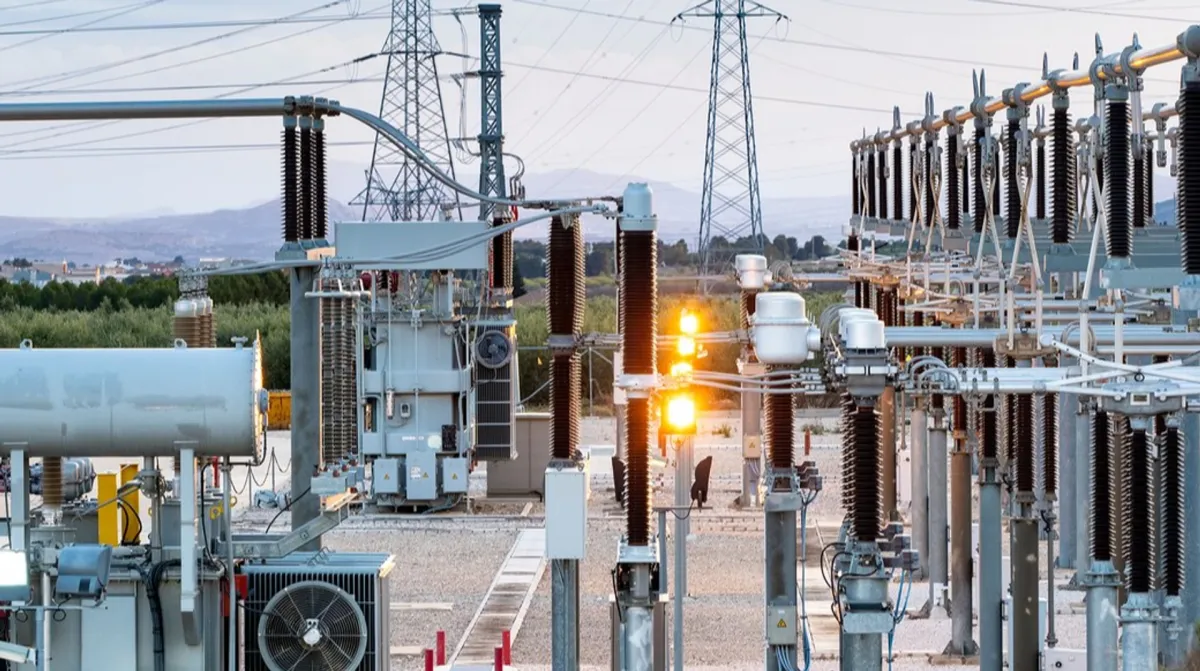
Level-three structures are designed to withstand direct missile hits and air strikes. These are large, multi-layered reinforced concrete structures that enclose the substation’s main equipment. Their designs were approved by the General Staff of the Armed Forces of Ukraine and the State Emergency Service, the Recovery Agency reported.
In October 2025, the then head of the Agency, Serhiy Sukhomlyn, estimated that the third-level structures were 54 per cent complete. The height of individual structures was to reach 20–24 metres, and their area was to exceed 10,000 square metres.
The Agency has not published any recent data on the readiness of these facilities. Therefore, the absence of new contracts in 2025–2026 does not provide grounds for claiming that Ukraine has completely abandoned its anti-missile defence. At the same time, it is not known how many such structures have already been completed or whether they will be operational by winter.
What the 110 facilities were protected against
Major work has been completed at 110 critical infrastructure sites. These have been fitted with second-level protection against attack drones and missile debris.
These structures consist of reinforced concrete shells surrounding transformers and other critical equipment. They can mitigate the effects of a drone attack but are not designed to withstand a direct hit from a powerful missile.
The first level of protection consists of gabions, sandbags and other simpler structures designed to contain debris and the blast wave. The second level is intended to counter drones, whilst the third is designed to protect against missiles and airborne weapons.
In early 2026, the Agency also reported on additional work at 120 energy facilities. At that time, their readiness stood at between 30 per cent and 80 per cent, and construction was proceeding in two or three shifts.
How Kyiv’s energy sector is being protected
In the capital, protective structures are being built at 20 sites housing 26 critically important elements of the energy infrastructure. Work began in May 2026.
The average completion rate for structures protecting 110 kV transformers stands at 45 per cent. They are scheduled for completion in September. Protection for large transformers is only 14–19 per cent complete, with this work due to be finished by the end of November, the Agency stated in response to a separate enquiry.
According to information from ‘Telegraf’, 9.88 billion hryvnias were earmarked for the protection of the capital’s critical infrastructure, of which 6.07 billion has been funded. Some of the information regarding contracts and contractors is classified as ‘For official use only’.
Does this mean power cuts are inevitable?
Engineering structures cannot fully protect the power grid from large-scale combined attacks. The simultaneous use by Russia of missiles and large numbers of drones remains particularly dangerous.
However, the absence of new contracts for the third level of protection does not in itself mean that a nationwide power cut is inevitable. The resilience of the power grid this winter will also depend on the performance of air defence systems, equipment stocks, the speed of repairs, available generation capacity, electricity imports and air temperature.
Follow us on Telegram.