Reuters tracked down Banksy following his graffiti in Ukraine

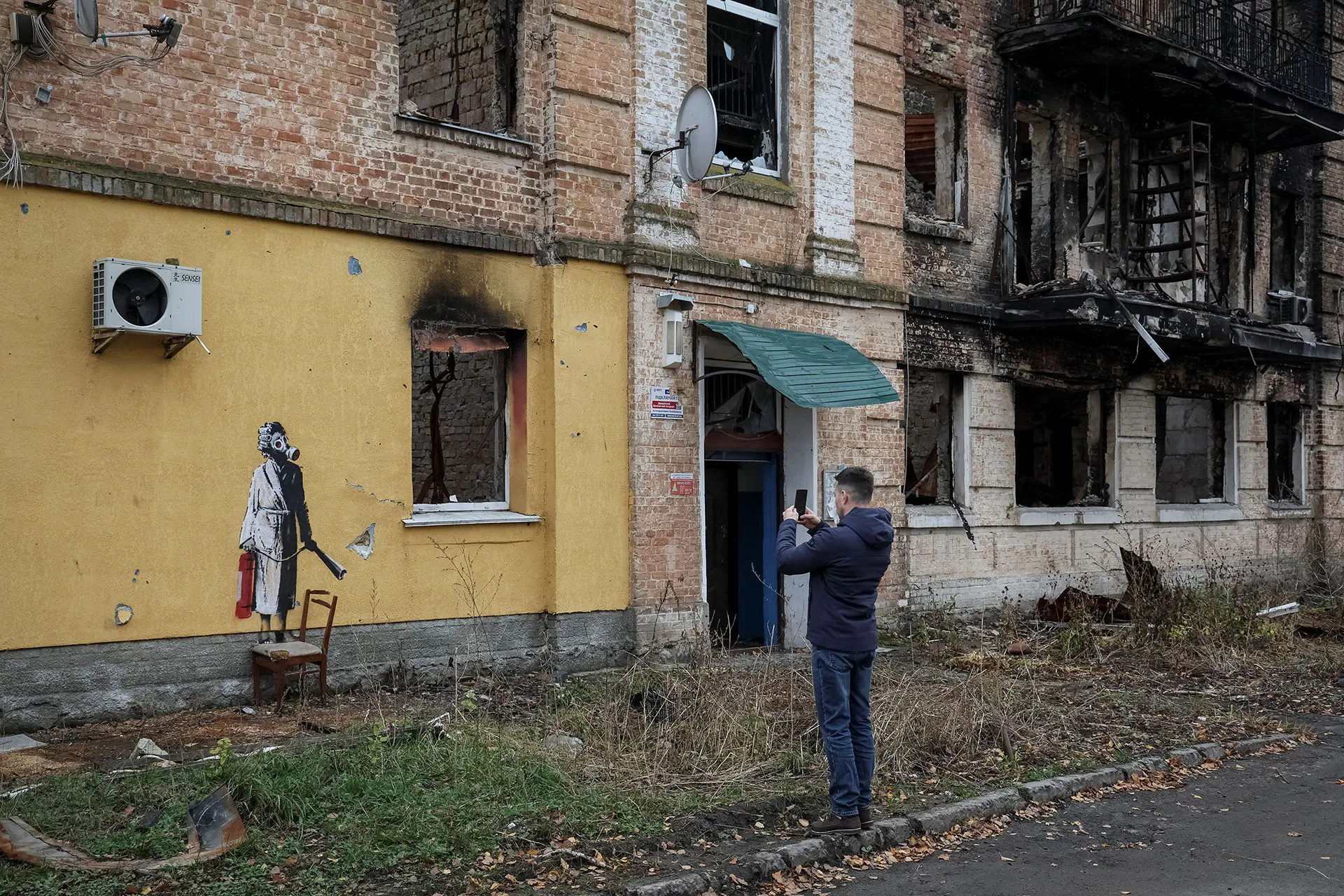
Reuters has published an investigation linking the latest phase of the search for Banksy to his works in Ukraine. The agency explicitly states that this journalistic investigation began, in particular, in Horentsia in the Kyiv region, where one of the artist’s graffiti pieces appeared following the area’s liberation from Russian occupation.
In the Reuters article, Ukraine is not merely a passing mention. On the contrary, the agency presents it as a key hub in the whole story of the attempt to establish who is hiding behind the pseudonym Banksy. The journalists note that Horinka is located less than 10 kilometres from Bucha, where Russian troops killed at least 300 civilians during the occupation.
After Banksy’s works began to appear in the de-occupied Kyiv region in 2022, Reuters became interested not only in the graffiti itself, but also in how the artist managed to enter an area that until recently had been close to the front line and remain unrecognised. That is why a reporter from the agency travelled to Horenka with photographs of several artists who had for years been named as possible candidates for the role of Banksy. These were shown to local residents to find out if anyone recognised the person who might have been working on the murals.
In November 2022, Banksy himself posted a video on his Instagram in which he confirmed his authorship of the works in the liberated settlements of the Kyiv region. The footage showed a man in a grey hooded jacket in Horenka, though the artist’s face remained hidden. Reuters used this clip as part of its subsequent analysis.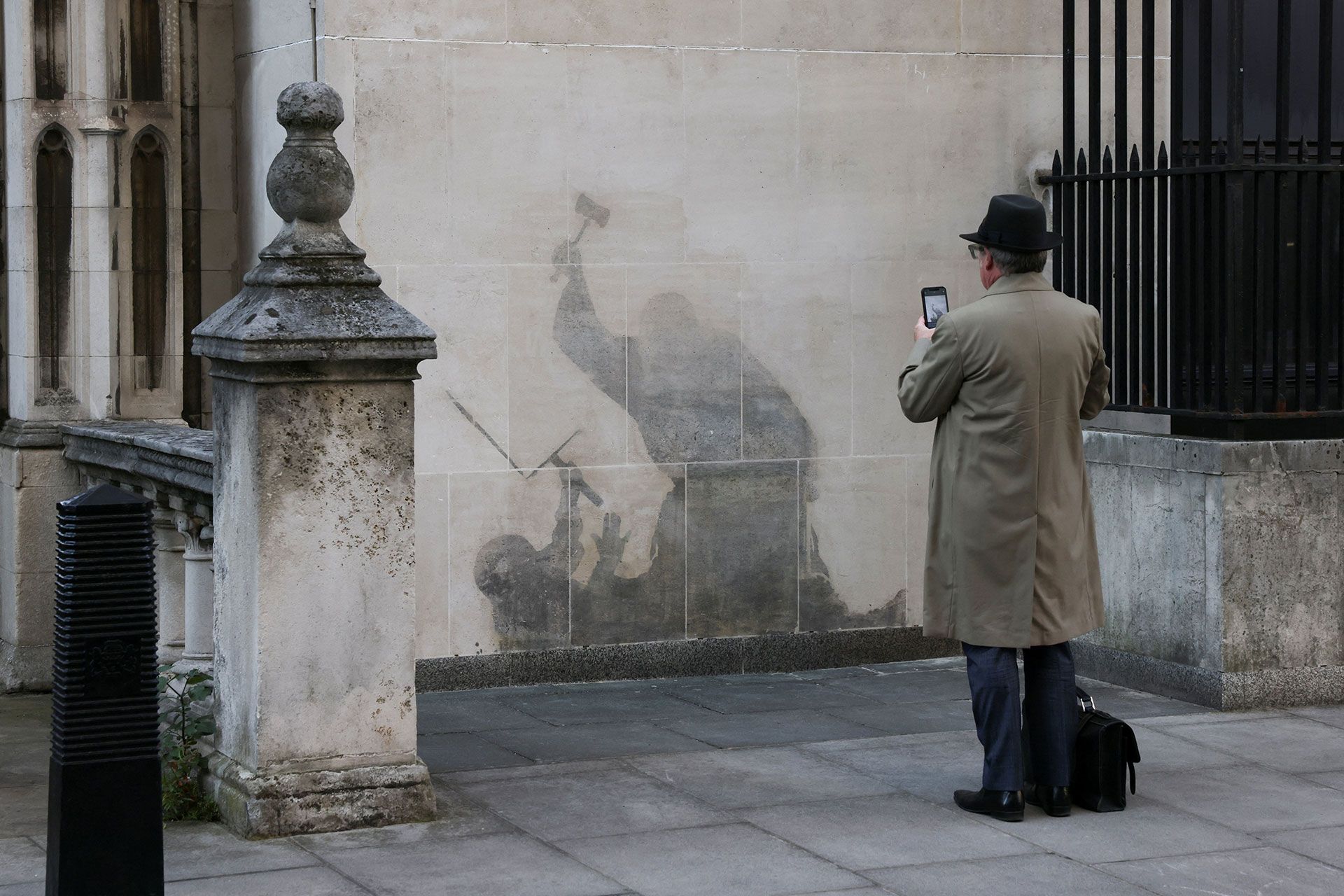
One of the local residents interviewed by the journalists was Tetyana Reznichenko from Horentsia. She said she had made coffee for two men working on the graffiti of a bathtub and had seen them without masks. When shown a photo of one of the candidates, Reuters reports that she reacted emotionally to the image of Robert Del Naja, although she did not explicitly confirm that she had seen him specifically.
Robert Del Naja, frontman of Massive Attack and one of the pioneers of Bristol graffiti, has long been among the leading theories regarding the identity of Banksy. These speculations have repeatedly been fuelled by coincidences between the band’s tours and the appearance of new works by the artist. Reuters also included him in the list of people it investigated as part of its inquiry.
Another candidate was Thierry Guetta, known by the pseudonym Mr Brainwash. His name has also cropped up in discussions about Banksy, particularly following the documentary *Exit Through the Gift Shop*, which the artist himself released in 2010. However, Reuters considers this theory less likely, particularly because Banksy himself has previously indicated that he is from Bristol.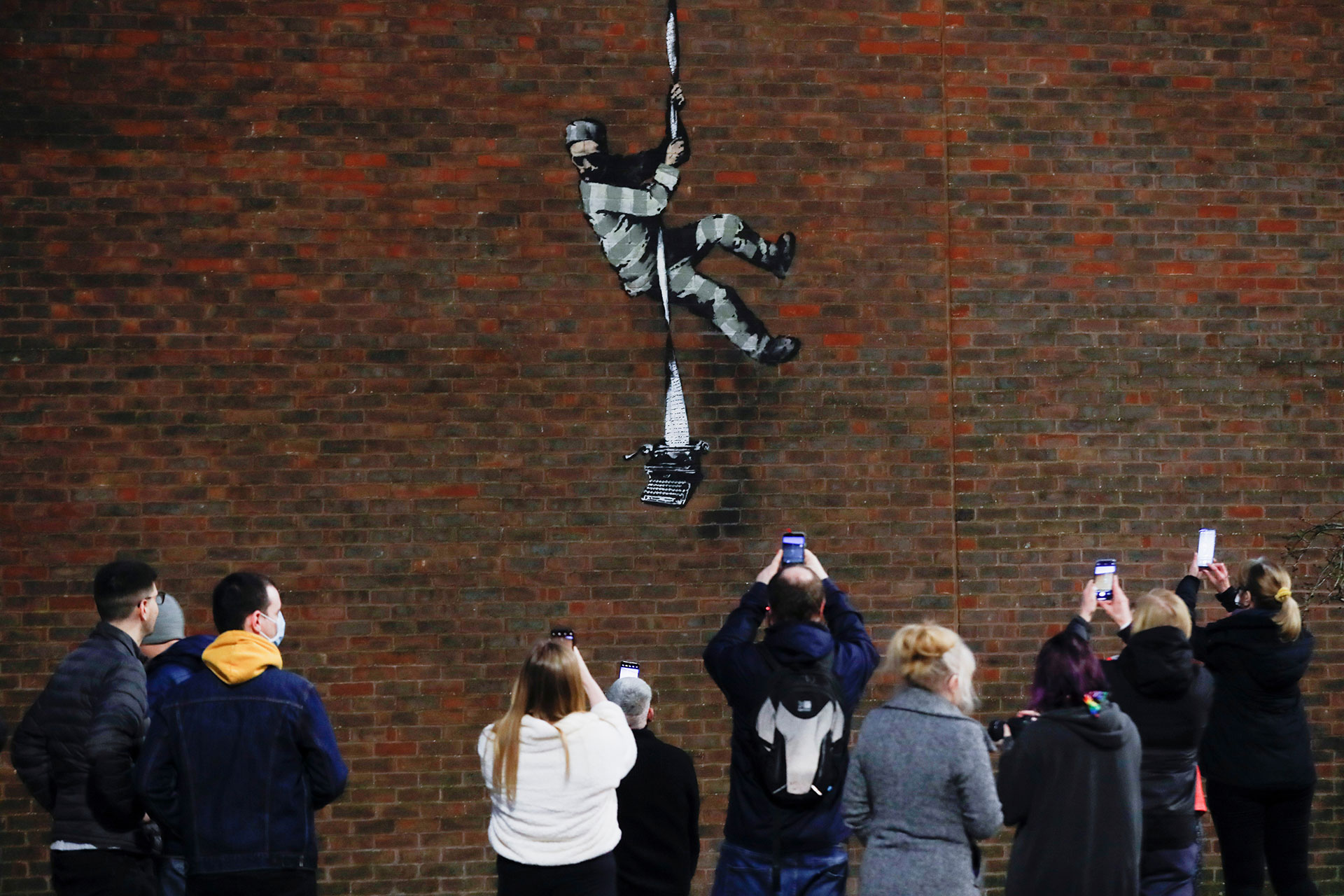
Reuters cites Robin Hunnigam from Bristol as the most convincing theory. It is him that the agency presents as the person who likely comes closest to the image of Banksy. This name has already surfaced in the media before, but a new investigation, according to Reuters, has allowed for the gathering of additional evidence – from old documents to testimonies and tracked movements.
At the same time, Reuters acknowledges that there is still no definitive official answer. Moreover, the artist’s former manager told the agency that Robin Hunnigam’s name is no longer associated with Banksy. In other words, the investigation tends to strongly reinforce one of the long-standing theories rather than putting an end to the question of the artist’s identity.
In its report, Reuters also highlights the significance of the Ukrainian chapter in Banksy’s biography. The artist’s works in Borodianka, Horentsia, Irpin, Hostomel and Kyiv became not only an artistic event, but also part of wider international attention to Russia’s war against Ukraine. That is precisely why Banksy’s appearance in the Kyiv region was not merely a decorative detail for the agency, but an important clue in the attempt to uncover his identity.