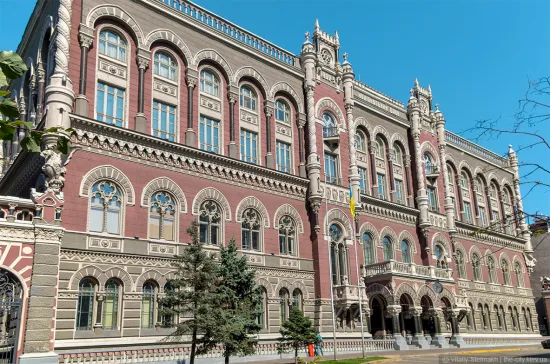
The Russian economy is not recovering despite rising oil revenues

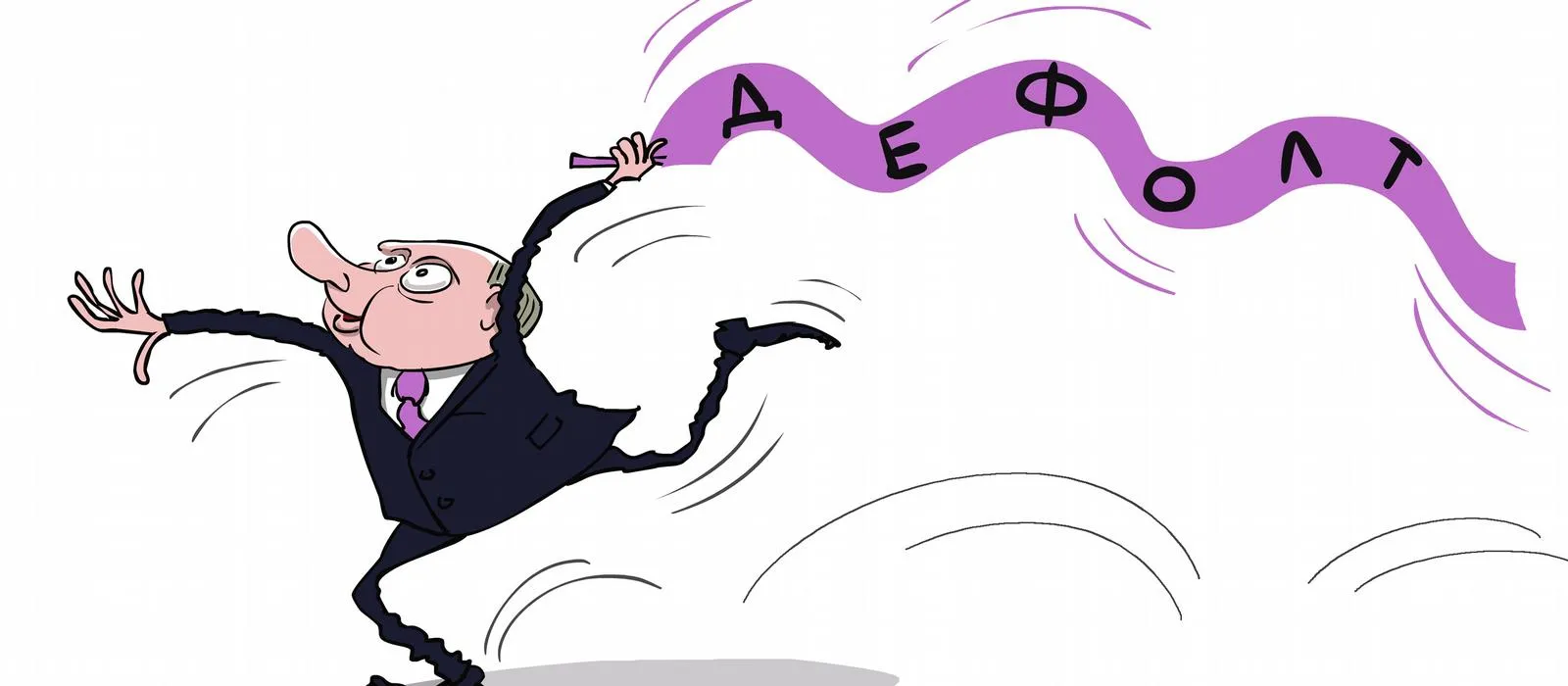
The head of Swedish military intelligence, Thomas Nilsson, has stated that the Russian economy has failed to recover, despite the rise in oil prices, which boosted the Kremlin’s revenues during the war in the Middle East.
According to him, as reported by the Financial Times, to cover the budget deficit, Russia needs the price of Urals crude to remain above $100 per barrel for a year, and to resolve other economic problems, this period must be significantly longer.
Russian President Vladimir Putin has acknowledged that the country’s economy is performing worse than expected. He also noted that additional oil revenues, which could reach up to $150 million a day, will have only a short-term effect.
Nilsson believes that it will be more difficult for Russia to finance the war against Ukraine if the ceasefire between the US, Israel and Iran holds and oil prices stabilise. According to him, the country’s economic model has systemic problems.
“It is not a sustainable growth model when military products are manufactured only to be destroyed on the battlefield,” he said.
According to Swedish intelligence assessments, economic difficulties have spread to the defence sector, which previously provided the main source of growth. Moscow is directing funding towards areas linked to the changing nature of warfare, in particular unmanned systems and long-range weapons.
At the same time, according to Nilsson, outside the drone manufacturing sector, the Russian military-industrial complex is loss-making, dependent on loans from state-owned banks, and characterised by corruption and embezzlement.
Sweden also has evidence that Russia systematically manipulates statistics to create the impression of greater economic resilience for Ukraine’s Western partners.
Official statistics already point to problems. According to Putin, Russia’s GDP contracted by 1.8 per cent in January and February, particularly in industry and construction.
Elvira Nabiullina, Governor of the Bank of Russia, stated that external conditions for the economy are constantly deteriorating for both exports and imports.
Nilsson noted that the real situation may be even more complex, and that inflation is underestimated and closer to the key rate of 15 per cent than to the official figure of 5.86 per cent.
According to estimates by Sweden and the BND, Russia is underreporting its budget deficit by approximately $30 billion. Financial indicators are also being recorded that may point to a potential banking crisis.
Nilsson believes that Russia is in a state that can be described as “living on credit”. According to him, the country’s economy could develop according to one of two scenarios — a prolonged downturn or a sharp shock.
Swedish Foreign Minister Maria Malmér Stenergård has called on European countries to tighten sanctions and step up support for Ukraine. She noted that not all EU states are prepared to change their energy model, describing this as extremely disappointing.
Nilsson also stated that Russia views peace talks involving the US as a political tool that allows it to conceal its territorial ambitions. According to him, these ambitions may extend beyond the Donbas and include control over the Black Sea coast, particularly Odesa, and do not rule out an interest in Kyiv.
At the same time, he emphasised that economic difficulties remain Russia’s weak point and will affect its military capabilities.