Russian "invincible" air defence of Venezuela turned out to be a fiction during the US operation

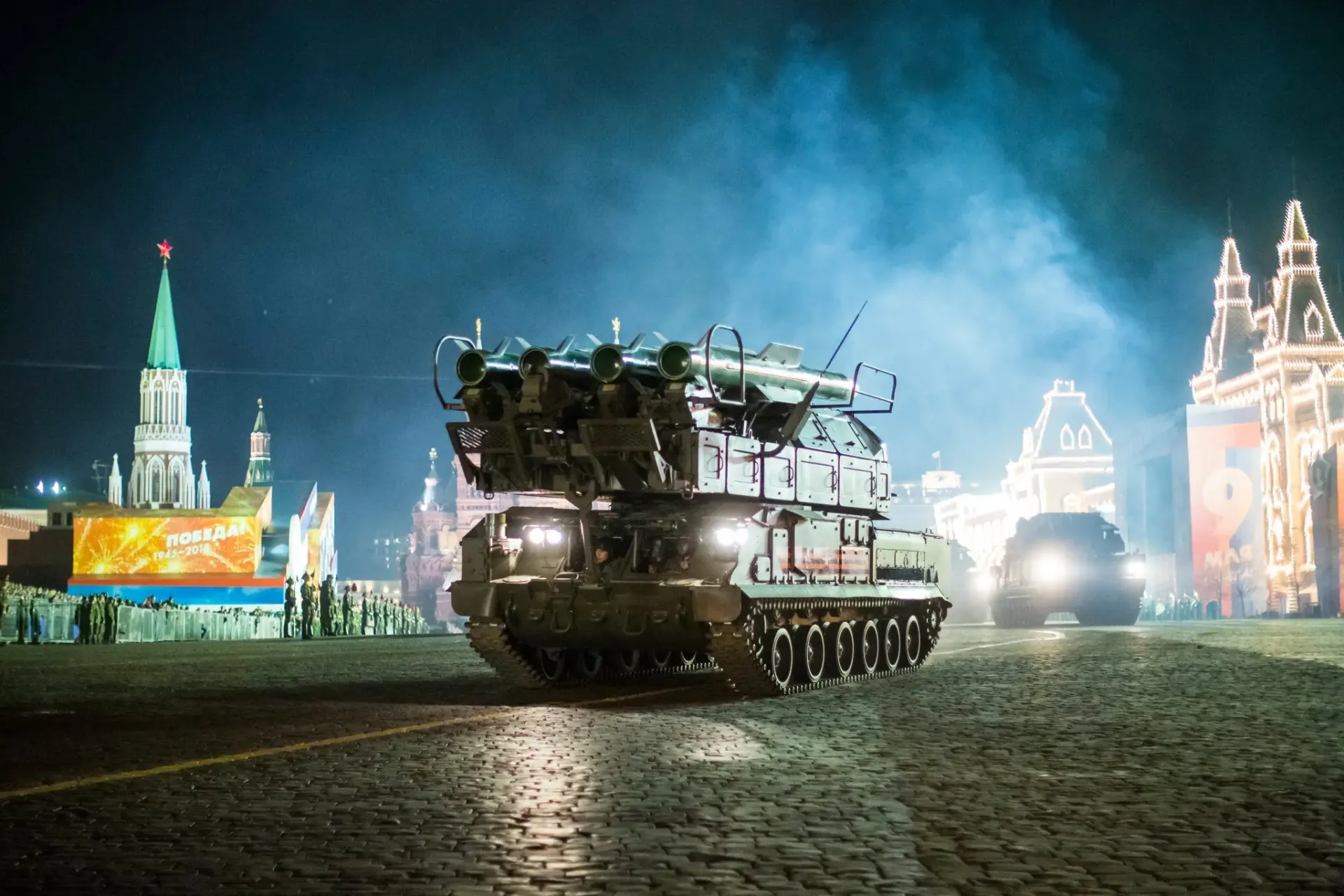
Russian anti-aircraft missile systems, which Venezuela boasted of as a guarantee of protection against the United States, were not actually used during the US special operation to capture President Nicolas Maduro. This is reported by The New York Times, citing current and former US officials and its own analysis of satellite images, photos and videos from the scene.
The modern Russian-made S-300 and Buk-M2 systems were not fully operational: some of the systems were not connected to radar, while others were stored in warehouses. As a result, the airspace over Caracas was virtually unprotected when the Pentagon launched Operation Absolute Resolve.
According to US officials, Venezuela has been unable to maintain these systems for years due to corruption, lack of spare parts, sanctions and a shortage of specialists. An analysis of satellite images showed that some air defence elements were destroyed even before the deployment - the US strikes hit warehouses where Buk's launchers and command vehicles were stored.
Experts also point to Russia's role in this failure. According to analysts, Moscow failed to provide proper training and maintenance of the systems, and the war against Ukraine may have limited its resources to support Venezuelan air defence. Some former US officials do not rule out that Russia deliberately allowed the systems to degrade in order to avoid a direct confrontation with the US in the Western Hemisphere.
Despite loud statements by Hugo Chavez and Nicolas Maduro about a "reliable shield" from US aircraft, only a single use of portable anti-aircraft systems was recorded during the operation, which was quickly suppressed. As a result, the newspaper notes, the Venezuelan army was practically unprepared for a large-scale US military operation, and the prestige of Russian weapons was seriously undermined.
Analysts believe that the air defence failure was not only a military defeat for Caracas, but also a blow to the Kremlin's influence in Latin America, demonstrating the limited nature of Russia's real support for its allies outside its own region.
Russia, Moscow, the United States, Nicolas Maduro, Venezuela